



Description
Highlights of the First Alert Combination Smoke & Carbon Monoxide Alarm
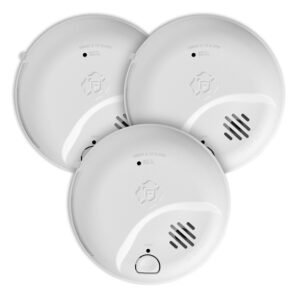
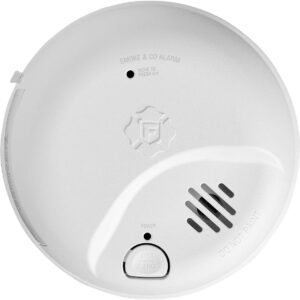
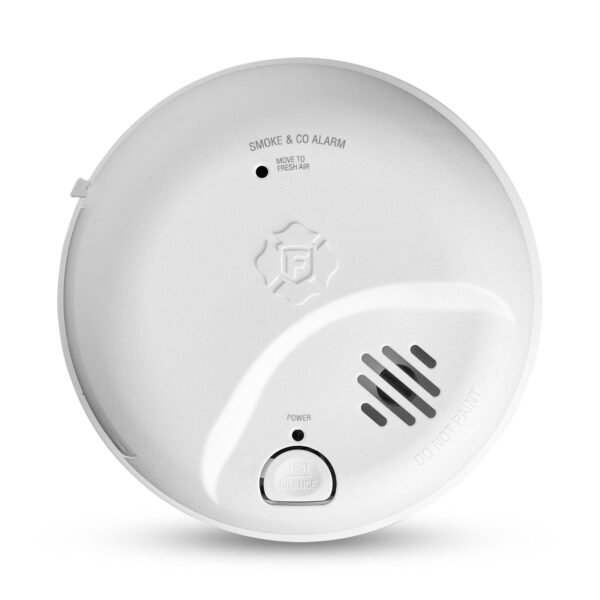
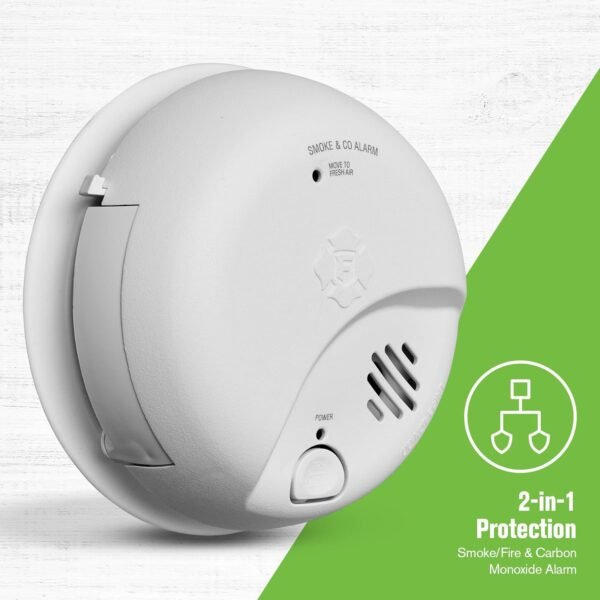
The First Alert Combination Smoke & Carbon Monoxide Alarm, model SMICO100, is built around Precision Detection advanced sensing technology, which First Alert lists as its answer to the nuisance alarms that cooking sets off. That single claim covers the most common complaint about combination alarms, since an alarm that sounds every time bacon goes in the pan is an alarm somebody eventually disables. The unit provides 2-in-1 protection covering smoke and carbon monoxide in one housing, and the listing states it meets the current industry standards for the category. Installation is simple because the alarm is battery-powered, so placement is not tied to a circuit. The test/silence button handles the two routine interactions: confirming the unit sounds, and quieting a nuisance activation without pulling the cells out.
- Advanced sensing technology aimed at reducing nuisance alarms
- Dual smoke and CO detection in a single unit
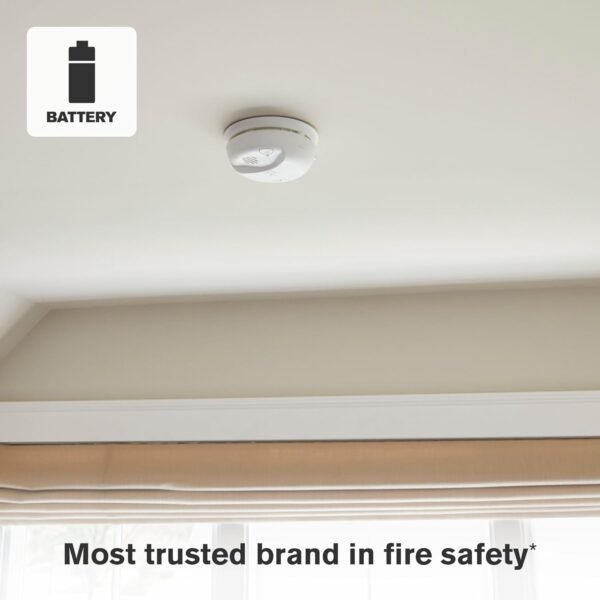
- Simple installation with battery operation
Limitations to Keep in Mind
Several limits sit alongside those strengths. The ionization sensor type responds fastest to flaming fires and is the less sensitive of the two common sensor types to slow smouldering fires, which is why many buyers prefer photoelectric sensing for bedrooms and living areas. The unit takes 2 AA alkaline batteries, supplied in the box, but the listing does not state a battery service interval or an expected cell life, which is a real gap when the whole alarm depends on those two cells. The end-of-life warning is a necessary feature and an abrupt one when it starts, particularly if nobody in the household knows what the signal means. The 5.6 inch diameter and 2 inch thickness also make this a bulkier alarm than low-profile alternatives.
- Ionization sensing suits flaming fires more than smouldering ones
- Battery service interval not stated in the listing
- End-of-life alert is loud and easy to misread
- Relatively bulky housing
Everyday Operation and Nuisance Alarms
The alarm is designed for the locations where smoke and carbon monoxide risk overlap, and the battery-powered design means it can be fitted where a hardwired unit could not go without new cable. The included batteries mean it is working from the first mounting rather than after a trip to the shop. Reduced false alarms is a design target rather than immunity, and owner ratings in this category still record occasional activations from steam and cooking smoke. The silence function is what stops those moments turning into a removed battery, which is the failure mode that matters most. Households that want the same combination coverage on a permanent supply usually compare the hardwired First Alert SMICO100-AC, which takes mains power and keeps a battery backup.
Competing Products and Market Rivals
Set against rivals, the trade-offs are clear. Connected alarms such as Nest Protect add smartphone notification and spoken alerts, neither of which this model offers, at a higher price and with either hardwiring or a rechargeable cell to manage. A model such as the First Alert SMCO100V-AC with voice and location alerts covers the spoken-warning ground within the same brand. Kidde’s combination alarms often use photoelectric sensing, better suited to smouldering fires, as on the photoelectric Kidde P3010K-CO, where this device uses ionization and responds fastest to fast-flaming fires. The First Alert SMICO100 competes on simplicity and price rather than features, which suits buyers who want dual detection without a setup process. Anyone who wants connected features or a slimmer housing is shopping elsewhere.
Value Assessment: Is It Worth the Investment?
On features against price, this smoke and carbon monoxide alarm offers a reasonable balance for the money. The battery-powered design keeps installation flexible, which matters for rentals and for rooms with no convenient circuit. The advanced sensing technology addresses the nuisance alarm problem that drives people to disable alarms in the first place. End-of-life warnings and the test/silence button cover the maintenance side. It lacks the connected features some rivals carry, but the cost per hazard covered is what makes it a practical choice for households wanting straightforward 2-in-1 detection.
Positive Features That Stand Out
- Nuisance alarm reduction claimed under Precision Detection sensing
- Dual coverage of smoke and carbon monoxide
- No wiring required, so installation is a mounting job
- Test/silence button for straightforward operation
Areas for Improvement
- Single sensor type does not respond equally to both fire profiles
- Battery life and replacement interval not published
- Housing size may not suit low-profile installations
- End-of-life alert is disruptive if its meaning is not known
Installation and Maintenance Insights
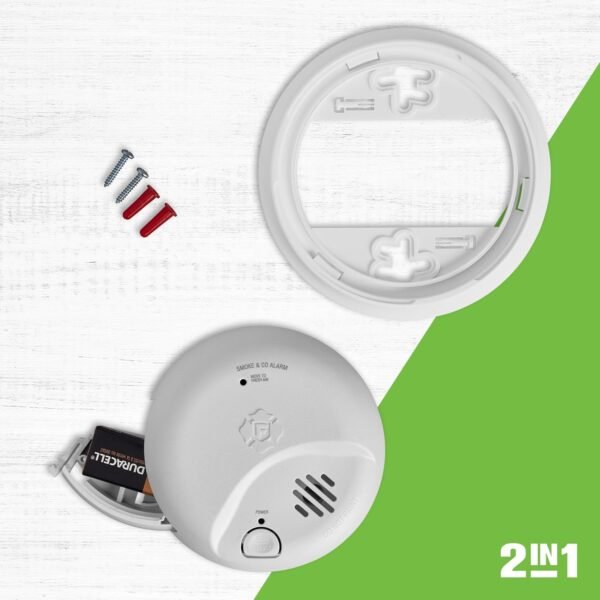
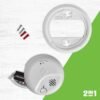
Installation needs no wiring, just the supplied bracket and a mounting point that satisfies local building and fire code and the manufacturer’s instructions, which together decide how many alarms a dwelling needs and where each one goes. The included 2 AA batteries get the unit running from the start. Maintenance is a weekly press of the test button, which produces the full alarm output and confirms the unit works. The silence button quiets a nuisance alarm without removing power. The end-of-life warning signals when the whole unit has reached the end of its rated service life, which is the point at which it must be replaced rather than repaired, since sensors age whether or not they have ever alarmed. Buyers who would rather not track AA cells at all can compare the First Alert SMICO105-AC with a ten year backup cell.
Design and Build Quality
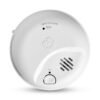
The alarm’s white circular housing is the category default and disappears against most ceilings. It is bulkier than some competitors, with a 5.6 inch diameter and 2 inch thickness, though at just over 10 ounces it is still light enough to mount single-handed. The buttons are large and clearly labelled, which matters when the alarm is sounding and somebody needs to silence it quickly. Build quality is functional rather than decorative, which is the right priority for a device whose job is detection. Buyers weighing several units at once can work through the rest of our combination smoke and CO alarm reviews before deciding.