

Description
Positive Features of the First Alert SMICO105-AC Combination Alarm
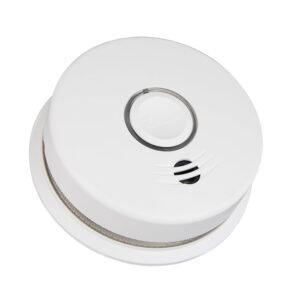
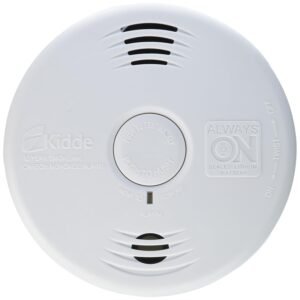
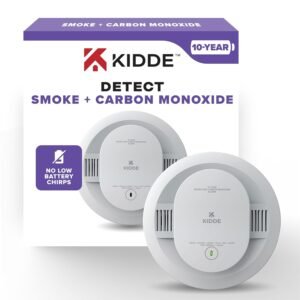
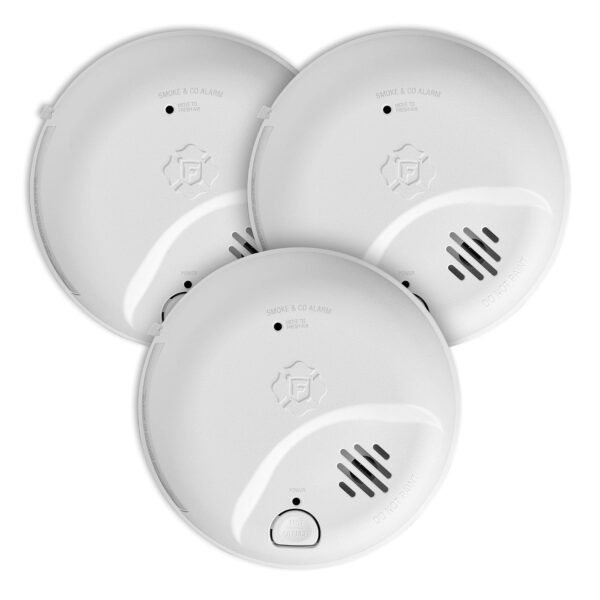
The First Alert SMICO105-AC, Interconnect Hardwire Combination Smoke & Carbon Monoxide Alarm with 10-Year Battery Backup, 3-Pack puts two jobs in one housing. Combining smoke and carbon monoxide detection in a single device halves the number of units on the ceiling and the number of installs. The 10-year lithium battery backup is the headline figure, since a sealed backup cell removes the yearly battery change that leads to alarms being left dead. First Alert lists ionization sensor technology with its Precision Detection processing, which the brand positions as a way to cut the cooking related nuisance alarms that make owners disable a unit. Buyers cross shopping the family usually line it up against the SMICO100-AC combination alarm, which shares the hardwired layout.
- Precision Detection technology that First Alert states complies with the latest industry standards.
- Interconnect wiring that links compatible alarms so they sound together.
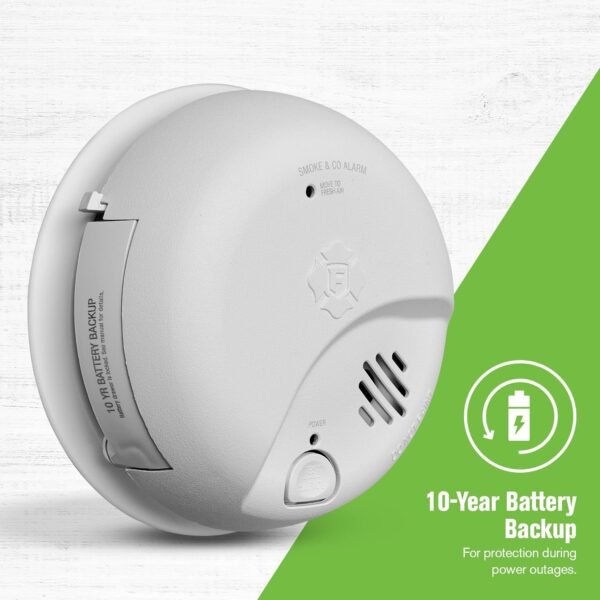
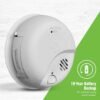
- 10-year battery backup, which keeps the alarm powered through a mains outage.
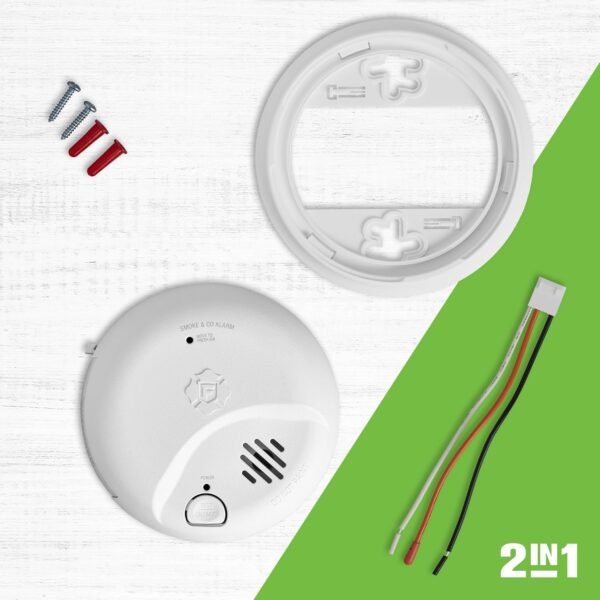
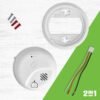
- Quick Connect Plug, intended to avoid rewiring when replacing an older alarm.
- Visual alarm indicator that identifies the unit triggering the alert.
Areas for Improvement in the Alarm System
The listing has its rough edges. Descriptions of the interconnect feature mention units needing several attempts to sync, which does not match a hardwired interconnect: a wired link is made in the wiring, not paired the way a wireless alarm is. Confirm whether the model in front of you is the hardwired SMICO105-AC or a wireless sibling before ordering, because the install work is different. The alarm output is loud by design and can be a lot for small children or older adults in a small room. The installation instructions are terse for a first hardwired install. Also, an ionization sensor is generally slower on smoldering fires than a photoelectric one, which is the reason many households mix sensor types across a floor rather than standardizing on one.
- Listing text on interconnect syncing does not match a hardwired unit.
- Alarm sound volume may be too intense for sensitive ears.
- Installation instructions could use more clarity.
- Ionization sensing is slower on slow, smoldering fires.
Installation and Setup
The Quick Connect Plug is the part that shortens the job, since it is designed to let a compatible alarm come off its harness and a new one go back on without redoing the wiring. The adapter plug in the package covers the common older connectors. The units mount on a ceiling or wall and measure about 5.69 x 5.69 x 2.25 inches, a footprint in line with the rest of the category. The visual alarm indicator earns its place during maintenance, since it shows which unit in an interconnected group started the alarm rather than leaving you to check each one. Any hardwired swap still has to follow local electrical code, and a qualified electrician is the safer route where the existing wiring is old or unlabeled.
Performance in Normal Household Conditions
The specification covers both hazards, and the two are detected on separate principles: smoke by the ionization chamber, carbon monoxide by the CO sensor. The sealed backup cell is what keeps the alarm active when the mains supply drops, which is the failure mode that matters in a storm. The interconnect capability is the other structural feature, because an alarm that sounds only in the room where smoke starts is of limited use at night. On cooking, First Alert positions Precision Detection as a reduction in nuisance alarms rather than an elimination of them, so kitchen adjacent placement is still governed by the manufacturer’s instructions and local code, not by preference. Households comparing sensing behavior across the range usually put it next to First Alert’s SMCO210 combination alarm.
Price Worthiness Compared to Its Features
On price performance, the 3-pack is the cheaper route per unit for anyone replacing more than one alarm at once, and the sealed backup removes a decade of battery purchases from the running cost. Combination alarms at the bottom of the category often pair a shorter backup life with plain screw terminals, so the long backup and the quick connect are the two items doing the work in the price. Kidde’s own long life combination unit, the P3010CU with its sealed 10 year cell, is the closest cross brand comparison on that basis.
Product Comparisons and Market Rivals
Against connected alarms such as Nest Protect, the SMICO105-AC trades app notifications for a simpler failure profile: no Wi-Fi dependency, and a backup cell rated for a decade. Nest Protect answers with smart home integration at a considerably higher price per unit. Within First Alert’s own hardwired range, the SC9120B hardwired combination alarm is the long running comparison for anyone replacing an existing wired alarm. Some competitors use photoelectric sensing, which responds sooner to smoldering fires, though those models frequently lack the long backup life or the quick connect harness.
Household Fit and Day to Day Use
The visual alarm indicator is the feature that reduces confusion in a household during a real event, since it names the unit that triggered instead of leaving a group of identical alarms sounding at once. Maintenance is limited because the backup cell is sealed for the life of the alarm, and the test button remains the routine check. Owner ratings in this category frequently mention that strong cooking smoke can still trigger a kitchen adjacent alarm, which is a placement and code question rather than a fault. Where a household wants smoke detection only in some rooms, pairing this with the rest of our combination smoke and CO detector reviews is the quicker way to work out the mix.
Safety Features That Matter Most
The dual function design covers smoke from fires and carbon monoxide buildup, two hazards with different causes and different responses. The interconnect system means a detection in one room raises every linked alarm, which is the point of interconnect in a larger or multi level house. The 10-year lithium backup both carries the unit through outages and removes the dead battery scenario that disables an otherwise working alarm. Combination alarms are also replaced rather than serviced at the end of their rated life, so check First Alert’s stated service life for the model and diary it at install.
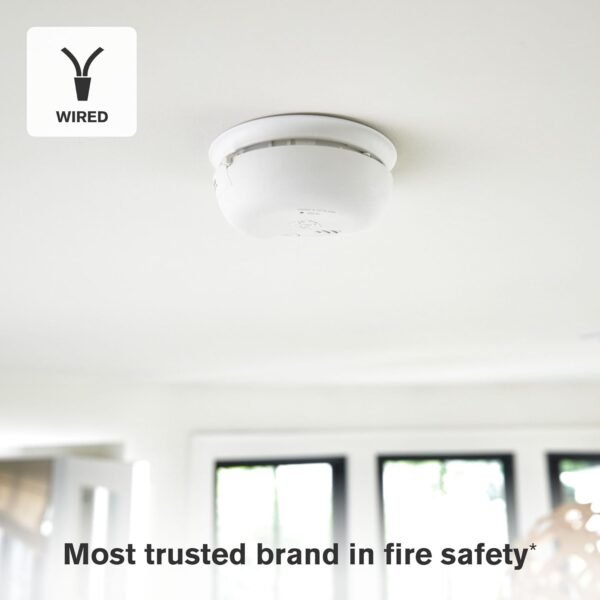
The SMICO105-AC is a conventional hardwired combination alarm sold in threes, with a sealed backup cell and a harness aimed at replacements rather than new circuits. The open questions are the sensor type, which is ionization rather than photoelectric, and the inconsistent interconnect description in the listing, both of which are worth settling before ordering three of them.