


Description
Highlights of the 2-in-1 Smoke and Carbon Monoxide Detector
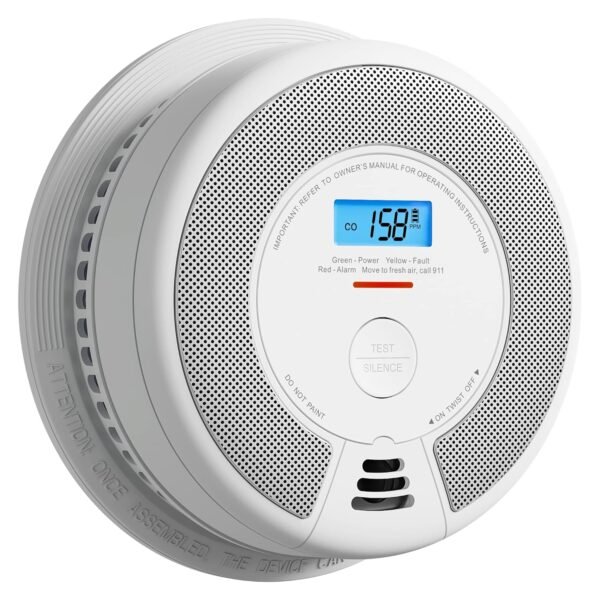
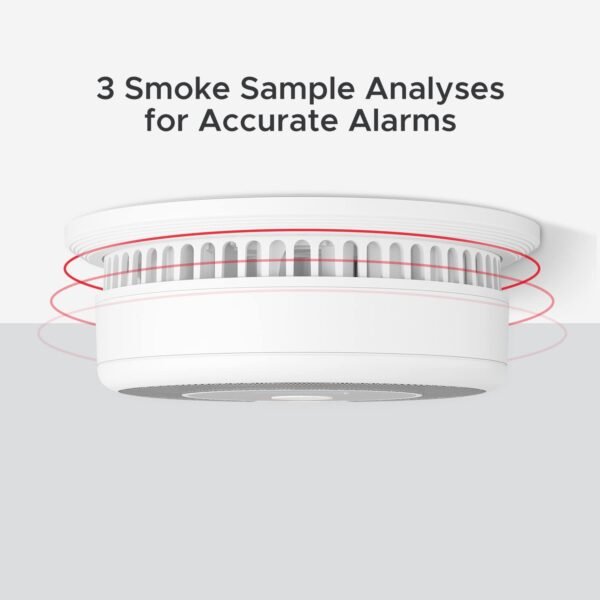
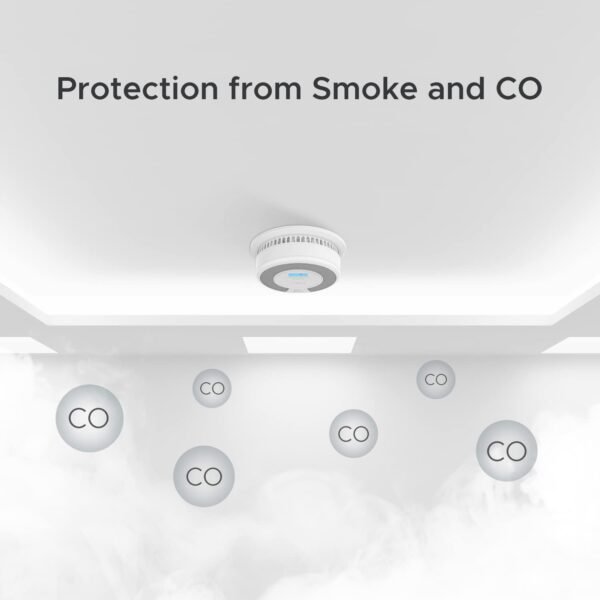
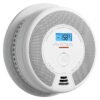
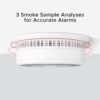
The X-Sense 10-Year Battery Combination Smoke Carbon Monoxide Alarm Detector with Large LCD Display (Standalone Model) pairs two sensor types in one head. Smoke sensing is photoelectric, documented as responding earlier to smoldering fires, and CO sensing is electrochemical, the sensor class used across mainstream residential CO alarms. Covering both hazards from one device means one ceiling position instead of two.
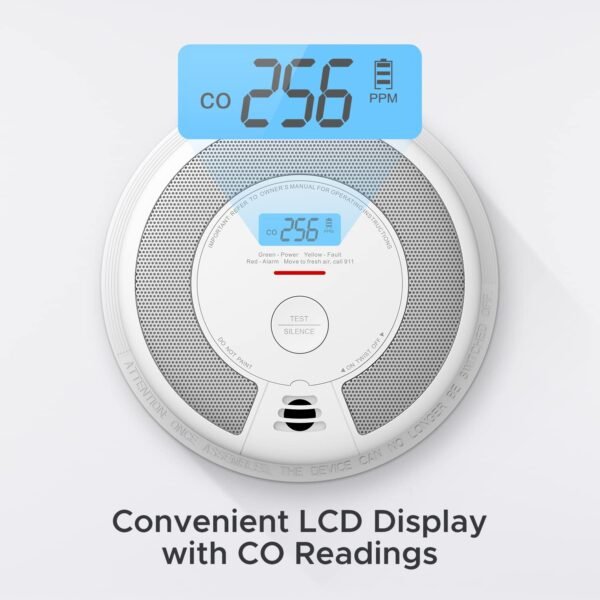
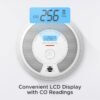
The feature that separates it from most of the combination smoke and carbon monoxide detector category is the large LCD display, which shows the measured CO concentration in parts per million. The screen lights on an alarm or on demand rather than glowing continuously, so it does not act as a night light in a bedroom. Power is a sealed 10-year lithium battery rated for the full service life of the unit, with no cell replacement scheduled across that term.
- Photoelectric smoke sensing and electrochemical CO sensing in one head
- LCD readout for CO concentration in ppm and battery status
- Sealed 10-year lithium cell, no scheduled battery purchase
Areas for Improvement
The most consequential limit is in the model name. This is the standalone variant, with no wireless interconnection, so a triggered unit sounds alone and cannot alert alarms elsewhere in the property. Anyone who needs whole floor coverage from a linked set has to move to the SC07-W or SC07-WX versions instead, and whether interconnection is required in a given dwelling is set by local building code rather than by preference.
There is also no Wi-Fi and no app, so there is no remote status and no notification away from the property. On dimensions, the listing gives 6.5 inches high by 6.38 inches wide for what it also describes as a circular housing, and two slightly different edge measurements for a circle suggests these are carton figures rather than the alarm itself; the actual diameter is worth confirming on the manufacturer sheet if ceiling clearance is tight.
- No wireless interconnection in this variant
- No Wi-Fi connectivity or remote notification
- Published dimensions look like carton figures rather than the unit
Installation and Day to Day Operation
Fitting requires no wiring. The unit mounts on the supplied bracket with screws and anchor plugs, and the sealed cell is already in place, which makes it a straightforward addition in a rental or an older property with no hardwired alarm circuit. The audible alarm is loud by design and is the primary signal; the display is a secondary channel that carries the CO figure.
The test button runs a self test of the unit and the horn, and it also lights the screen with the current CO reading, which is the practical way to check a room without waiting for an alarm. The heat resistant PC plastic housing is the material specified for the enclosure. Photoelectric sensing is documented as less prone to cooking triggers than ionization sensing, which affects how close to a kitchen the alarm can reasonably sit.
Competitive Options in the Market
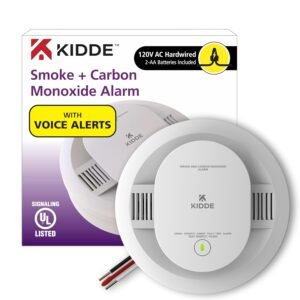
Against combination alarms that announce hazards by voice, this model substitutes a numeric readout, which suits anyone who wants the actual concentration rather than a spoken warning. The Kidde P4010DCSCO-W with voice alerts takes the opposite approach on the same sealed cell platform, and the First Alert SMICO100 combination alarm is the closest cross brand comparison.
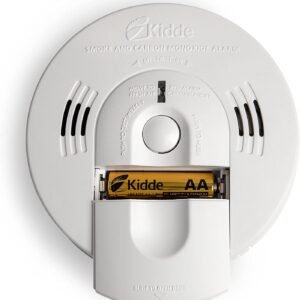
Interconnected combination units such as the Kidde KN-COSM-BA combination alarm cover the linked alarm case this standalone model does not. The X-Sense competes on cell term and on the display, and gives up connectivity entirely to do it.
Price to Quality Ratio
Judged on published specification per dollar, this alarm holds up well. The sealed decade cell removes ten years of battery purchases, the two sensor types remove a second device from the ceiling, and the LCD adds information that most alarms at any price do not provide. What the price leaves out is interconnection and connectivity, which for a single room application costs nothing and for a whole house layout is the deciding factor.
A kitchen focused alternative on a sealed cell is the Kidde P3010K-CO kitchen combination alarm, which trades the display for tuning aimed at reducing cooking nuisance alarms.
Positive Features Worth Highlighting
- Sealed 10 year cell removes scheduled battery replacement
- CO concentration shown as a number rather than a light or a tone
- No wiring, with mounting hardware supplied
- Photoelectric smoke sensing alongside electrochemical CO sensing
Limitations to Keep in Mind
- Standalone only, with no interconnection to other alarms
- No Wi-Fi, app or remote status of any kind
- Listed dimensions do not resolve cleanly for a circular housing
Design and Build Quality
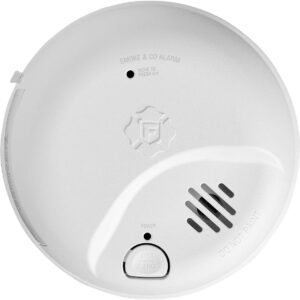
The white circular housing is conventional and sits quietly against a painted ceiling, though it is deeper and wider than the slimmest single hazard alarms. The heat resistant plastic is the specified material. The LCD is legible without being a light source in a dark room, and the control set is a single test button, so there is nothing to configure and nothing to misconfigure.
Specification Summary
What this device does is signal two sensed conditions: detected smoke, and a CO concentration crossing its alarm thresholds, with the measured ppm figure shown on the screen. It reports those conditions through its own horn and display only. It does not link to other alarms, does not notify anyone remotely and does not replace the alarm layout local building code sets out for a dwelling. Within that scope the combination of photoelectric and electrochemical sensing, a sealed decade cell and a numeric CO readout is a well matched set for a single room where the actual concentration is worth seeing.