




Description
Highlights of the First Alert Smoke Alarm SMI100
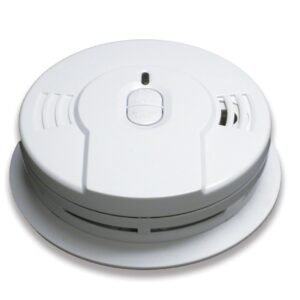
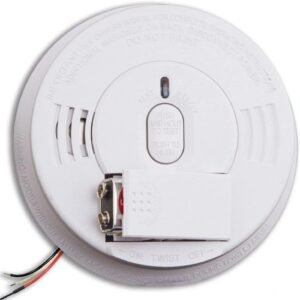
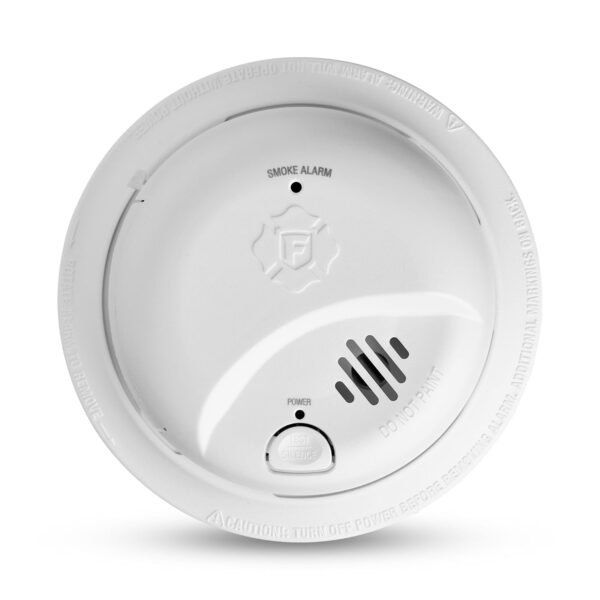
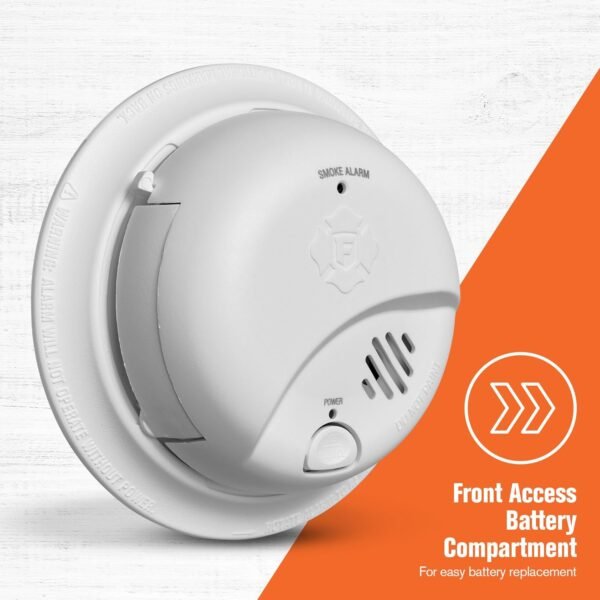
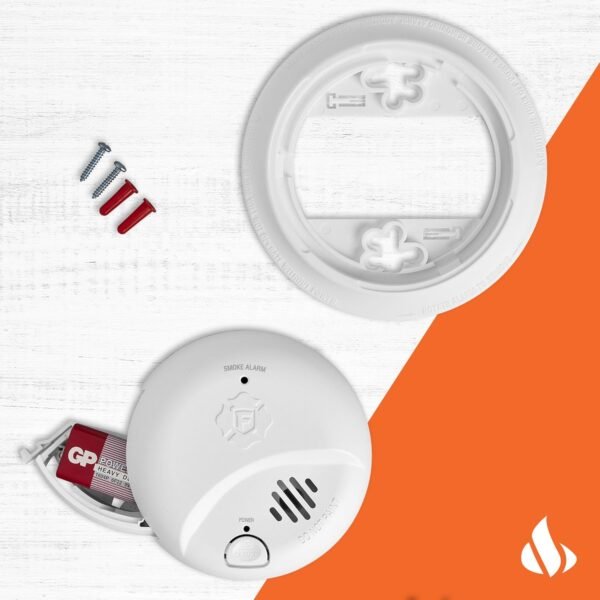
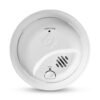
The First Alert Smoke Alarm, Battery-Operated Detector with Test & Silence Button, SMI100 is built around a few clear specification choices. First Alert lists Precision Detection advanced sensing technology, which the company describes as reducing the nuisance alarms that everyday cooking sets off. The ionization sensor underneath that marketing is the type that responds fastest to flaming fires, so the model is aimed at that hazard profile rather than at slow smouldering fires. The battery-operated design removes wiring from the job entirely, and the front access battery compartment means the included 9V alkaline battery can be swapped without unmounting the alarm from the ceiling, which is the detail that decides whether a battery change actually gets done.
The test/silence button covers the two routine interactions with any alarm: confirming the unit sounds, and quieting a nuisance activation without pulling the battery out. Weekly testing is the manufacturer’s own instruction and is not optional maintenance. The end-of-life warning matters just as much, because a smoke alarm sensor degrades on a clock whether or not it has ever been triggered, and an alarm without that signal can sit on a ceiling looking functional long after it has stopped being so.
Good Aspects of the Design and Installation
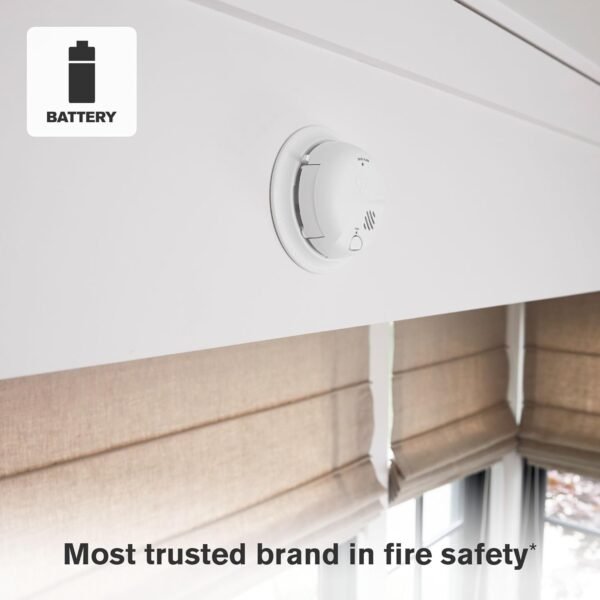
Installation is a mounting job rather than an electrical one, since the unit is battery-powered and needs no wiring. The published dimensions of roughly 5.4 inches in diameter and 1.9 inches in height keep it close to the ceiling line, and the lightweight profile at 0.7 pounds makes single-handed mounting practical. The white finish is the category default and blends with most ceilings. The front-facing battery compartment is the standout usability decision on the spec sheet.
That layout turns battery replacement, normally the task most often skipped, into a short one. The test and silence button sits on the front face where it can be reached without dismantling anything, though a ceiling-mounted alarm still means working at height and the manufacturer’s instructions apply. In households where upkeep tends to slip, an alarm that makes its own maintenance easy is more likely to still be working when it is needed. Buyers who prefer to remove battery changes altogether tend to look at a sealed ten year battery alarm such as the First Alert SM210.
Limitations to Keep in Mind
The specification carries some real limits. The ionization sensor, strong on fast-flaming fires, is the less sensitive of the two common sensor types to smouldering fires, which is why many households pair sensor types or choose a photoelectric alarm such as the Kidde P3010B for bedrooms and living areas. The battery arrangement is the other recurring task: a single 9V alkaline cell needs checking and replacing on a schedule, and the low battery chirp is the only warning that it has not been.
The alarm is loud by design, which is the point of the device, though that output is disruptive in small rooms and at night. There is also no interconnect capability, wired or wireless, so this alarm sounds alone rather than triggering other units elsewhere in the house, a feature several competing models do offer. Finally, the design is functional and plain, with none of the slim-profile styling that some buyers now expect.
Benefits of Precision Detection Technology
The Precision Detection technology is the headline specification. First Alert lists it as meeting the updated industry standards written to cut nuisance alarms from cooking smoke and steam, which is the single most common reason households disable an alarm. Reduced nuisance activation is a design target rather than a guarantee, and owner ratings in this category still record occasional cooking-related alarms, but the standard exists precisely because a disabled alarm protects nobody.
The practical benefit is fewer interruptions and less temptation to pull the battery in frustration, which is the outcome that actually matters in a home where cooking happens daily. First Alert also lists the sensing technology as improving response to real fires. Where the alarm is placed relative to a kitchen still affects how often it sounds without cause, and placement is set by local building and fire code and by the installation instructions, not by preference.
Price Worthiness and Value Assessment
Against its specification, this alarm sits at the accessible end of the market with a straightforward value proposition. The price covers current-standard sensing, no-wiring installation, and a maintenance-friendly battery compartment. Connected alarms with Wi-Fi, and photoelectric or dual-sensor models, cost more and cover different needs; this unit covers the basic detection function.
Its battery-operated design suits renters and older properties where running a circuit is not practical, and the end-of-life alert means the unit reports its own retirement date rather than failing quietly. Compared with premium models it is short on features, but for straightforward fire detection it offers affordable coverage without cutting the specifications that matter.
Product Competitors and Market Rivals
Comparison with other alarms in the category comes down to sensor type and power. Photoelectric models respond earlier to slow, smouldering fires, which is why they are commonly specified for bedrooms and living rooms, and they are generally less prone to cooking nuisance alarms. The First Alert SMI100’s ionization sensor works the other way round, responding fastest to rapidly flaming fires. Neither type covers both profiles equally, which is the reason the two exist side by side.
Connected alarms add remote notification and interconnection, neither of which this model offers. Against hardwired units, this alarm’s battery-powered setup avoids the electrical work that a mains-powered model requires, though it also gives up the permanent power and wired interconnect those units provide. The closest comparison on the same platform is the hardwired First Alert SMI100-AC, which keeps the same sensing approach and adds mains power with battery backup.
Downsides Worth Considering
The absence of interconnect capability is the most consequential limitation. In larger homes and multi-story houses, interconnected alarms sound together so that an event in one part of the building is announced in the sleeping areas, and a standalone alarm cannot do that. Households that need whole-home alerting are looking at a different specification entirely.
The ionization sensor’s weaker response to smouldering fires is the reason some buyers add a photoelectric alarm elsewhere in the house rather than relying on one sensor type throughout. Battery power means an ongoing maintenance duty, and while the front compartment makes the swap quick, it still has to be remembered. Buyers who also want carbon monoxide coverage from the same device need a combination unit such as the First Alert SMCO210 combination alarm rather than this smoke-only model.
Upsides in Everyday Use
- Simple installation and quick battery replacement thanks to the front access compartment
- Nuisance alarm reduction claimed under the current sensing standard
- Loud audible alarm intended to rouse occupants
- Test/silence button allows quieting without removing the battery
Drawbacks Worth Weighing
- No interconnect, so the alarm cannot sound other units in the house
- Ionization sensing responds less quickly to smouldering fires than photoelectric
- Battery-powered design requires scheduled checks and replacement
- Basic design with no connected or smart-home features
On its published specifications the First Alert SMI100 is a competent basic alarm, built around current-standard sensing and easy upkeep rather than features. It does not cover every scenario, and the sensor type, the lack of interconnect and the replaceable battery are the compromises that come with the price. Buyers weighing it against other options can work through the rest of our smoke detector and fire alarm reviews before deciding how many units a home needs and where code requires them.