





Description
Positive Features of the First Alert Combination Alarm
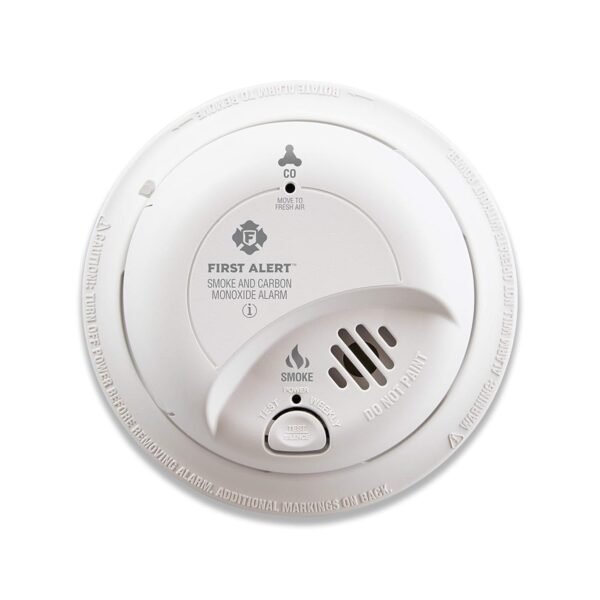
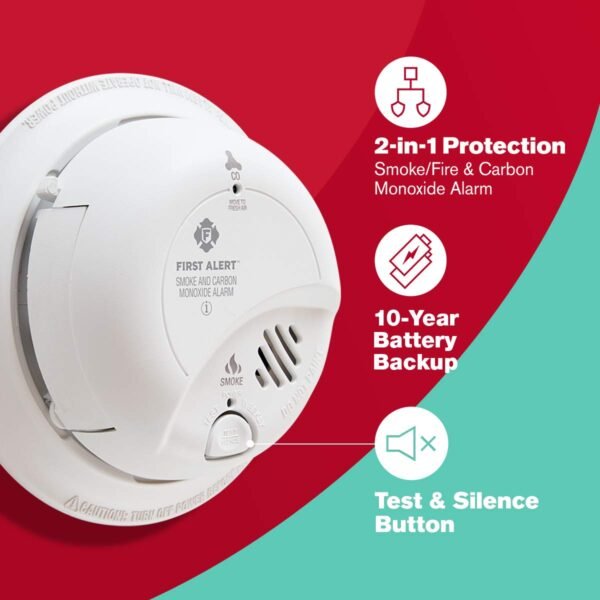
The First Alert SC9120B Corded Electric Combination Alarm is a hardwired unit that combines two separate sensing systems in one housing. The published specification pairs an electrochemical carbon monoxide sensor with an ionization smoke sensing chamber, which are the two established technologies for those two hazards; carbon monoxide cannot be detected by a smoke chamber, so a combination unit needs both. A battery backup keeps the alarm powered when mains power is lost, which is the reason hardwired alarms are specified with backup cells at all. Intelligent sensing technology is First Alert’s term for the signal processing intended to reduce nuisance alarms, a common cause of alarms being disabled by occupants.
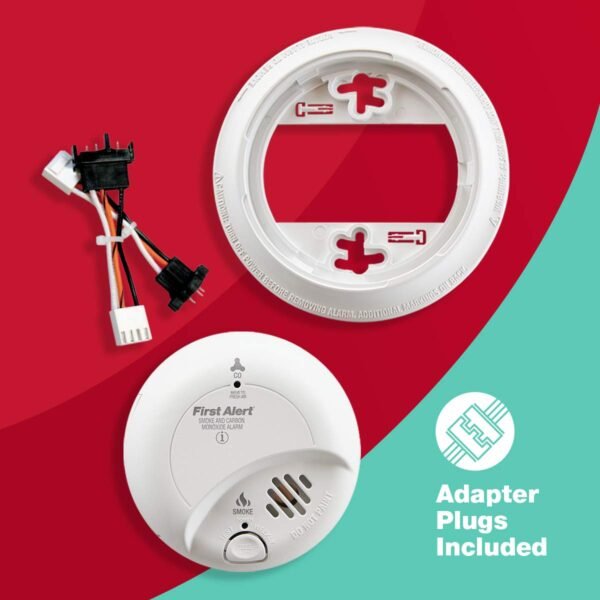
- Quick-connect wiring harness for connection to existing hardwired circuits.
- Published alarm output of 85 decibels.
- The latching alarm indicator shows which unit in an interconnected set initiated the alarm.
- A single test/silence button handles both routine testing and silencing.
The adapter plugs are the practical detail for anyone replacing older alarms, since they allow the new unit to meet existing wiring connectors on a like-for-like swap. All wiring work, including whether an adapter plug is appropriate for your circuit, should follow the manufacturer’s instructions and local electrical code, and an electrician should do it where the wiring is not straightforward.
Limitations to Keep in Mind
The plastic casing is standard for this class of alarm and keeps weight low on a ceiling fixing, though it is less substantial than metal-bodied commercial units. The compact dimensions still leave a visible unit on the ceiling, and the white finish is the only option. These are cosmetic points on a device chosen for function.
- The battery drawer lock resists tampering, and the same mechanism makes the drawer stiffer to open.
- Even with intelligent sensing technology, nuisance alarms remain possible near kitchens and bathrooms, which is a placement question covered by the manufacturer’s instructions and local code.
- The hardwired connection means installation involves mains wiring; professional installation is appropriate where that is outside your competence.
- The end-of-life signal chirps when the unit reaches its replacement date, by design.
Buyer feedback flags two usability points: the test button needs a firm press, which matters for anyone with limited hand strength, and the alarm output that makes the unit effective is the same output that is startling at close range during testing.
Design and Installation
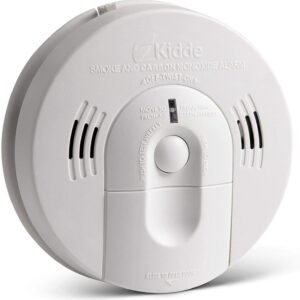
The design is minimal and functional. The compact white unit mounts on a ceiling or wall, and mounting location is governed by the manufacturer’s instructions and local code rather than by preference. The adapter plugs and quick-connect wiring harness are specified for replacing existing hardwired alarms, which is what keeps a swap to a connector change rather than a rewire.
The battery ships pre-installed behind a tamper-resistant locked drawer. Note a conflict in the listing data here: the backup is described as a 10-year battery that removes the need for regular replacement, while the same text refers to routine battery changes through the locked drawer. Those two descriptions cannot both apply, so confirm on the packaging whether the unit supplied takes a replaceable cell or a sealed long-life one before you buy. The audible alarm and the indicator lights together signal the alarm condition and which hazard triggered it.
Functionality and Published Features
The sensing side is specified plainly: an ionization smoke chamber and an electrochemical CO sensor. Sensor type matters when planning coverage for a whole home, because ionization chambers respond soonest to fast flaming fires while photoelectric units respond sooner to smouldering fires; buyers wanting the second type covered elsewhere in the house can compare the photoelectric Kidde P3010L alarm. The single button combines test and silence, which keeps routine testing simple. Test the alarm at the interval stated in the manual.
The latching alarm indicator matters in a multi-unit installation: when interconnected alarms all sound, the latch identifies the unit that initiated. The end-of-life signal marks the point at which the manufacturer specifies replacement of the whole unit, not just the battery.
Comparing to Popular Competitors
Against other hardwired combination alarms from Nest and Kidde, this model’s distinguishing features are the adapter plugs for straightforward replacement and a conventional, non-networked design. Competitors offer smart home integration and voice alerts, which this alarm does not have. The hardwired Kidde KN-COSM-IBA combination alarm is the closest direct comparison on sensing and interconnect.
The electrochemical CO sensor and the latching alarm indicator are features that basic units often omit. Buyers who want voice location announcements should compare the First Alert SMICO100-AC combination alarm from the same range. For simplicity and a like-for-like replacement, this model remains straightforward.
Value Proposition: Is It Worth It?
Judged on published features and the 10-year warranty, the unit is priced sensibly for what it covers. Combining smoke and CO sensing in one housing reduces the number of devices on the ceiling, which is the main practical argument for a combination alarm. It is not the most connected option available, and it is not intended to be.
On price against specification it sits well, given both sensing types in one unit. The listing refers to UL testing but does not name the specific standard, so check the standards printed on the unit and its packaging if a particular listing is required where you live. Local code, not a product page, determines how many alarms a dwelling needs and where they go; the rest of our combination smoke and carbon monoxide alarm reviews covers the alternatives.
Safety Features in the Specification
The combination of ionization smoke detection and electrochemical carbon monoxide sensing means both hazards are monitored by one device. Published alarm output is 85 decibels, and the indicator lights distinguish which condition triggered.
The unit supports interconnection with compatible alarms, so a trigger on one sounds the whole set. That is the relevant feature for multi-level homes, where an alarm on another floor may not be audible where people sleep. Compatibility is defined by the manufacturer’s list, so check it before mixing brands or models. The end-of-life signal exists because sensors age; alarms are replaced on the schedule the manufacturer states, regardless of whether they still appear to work.
Everyday Operation and Maintenance
In normal use the alarm is silent, and maintenance is limited to testing with the single test and silence button and keeping the unit clean per the manual. The locked battery drawer prevents casual removal of the backup cell, which is a known failure point in households where a chirping alarm gets disarmed rather than serviced.
The alert signals are straightforward to interpret, and the latching feature identifies the originating unit during a multi-alarm test. The end-of-life chirp is a prompt to replace the device. For a smoke-only alarm on the same hardwired circuit, the First Alert 9120B hardwired smoke alarm is the matching unit in the same family, and placement of every alarm in a dwelling should follow local code and the manufacturer’s instructions.