
Description
Compact Design Built for Tight Spaces
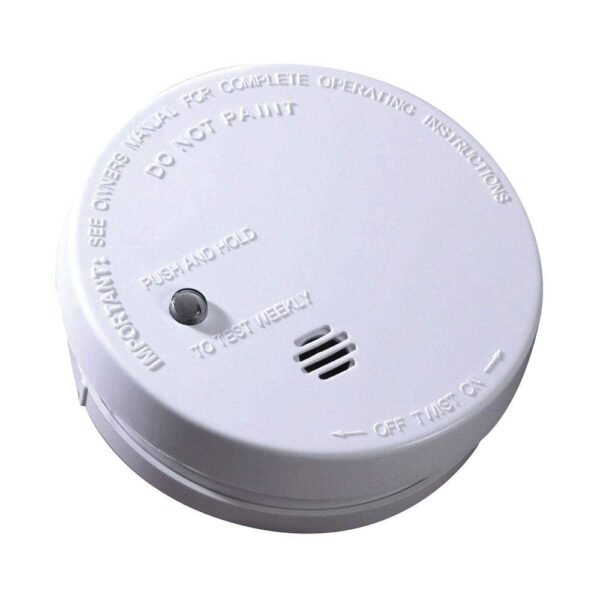
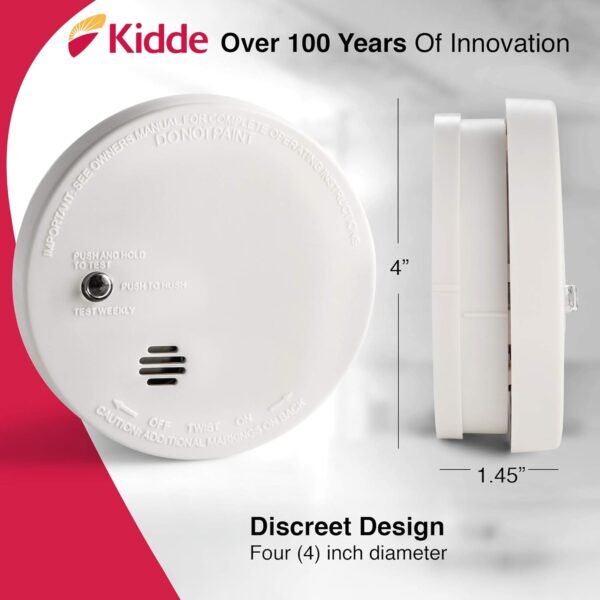
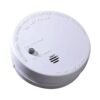
The Kidde Fire Sentry Smoke Detector, 9V Battery Powered Smoke Alarm, 4 Inch Compact Design measures just 4 inches in diameter. That footprint suits installation in tight areas where a full-size alarm may not fit, such as an RV, a mobile home, or a cramped corner of a house. The discreet profile sits closer to the ceiling than the bulkier housings common in this class, and the smaller body does not change the sensing job the unit is built to do. Where alarms go and how many a dwelling needs are code questions, so local requirements should decide placement rather than the size of the housing.
Ionization Sensor Technology for Rapid Detection
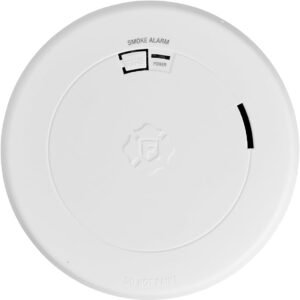
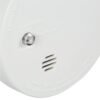
Kidde fits this alarm with ionization sensor technology, which responds to the small, largely invisible particles thrown off by fast-flaming fires. The red LED indicator gives a visible signal when the sensor picks up smoke. Ionization sensing reacts quickly to open flame and more slowly to smouldering material, which is why a photoelectric unit such as the sealed battery Kidde P3010B is normally recommended alongside it rather than treating one sensor type as coverage for every kind of fire. Buyers who want the same ionization sensing in a different housing can weigh it against the battery operated Kidde i9050.
User-Friendly Features for Everyday Use
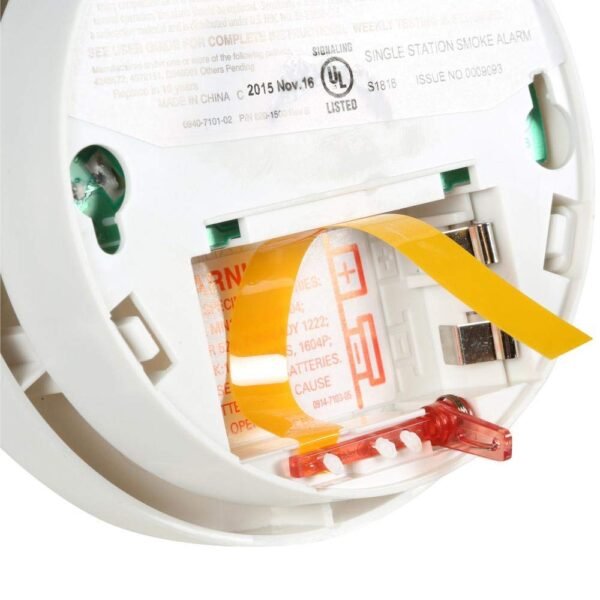
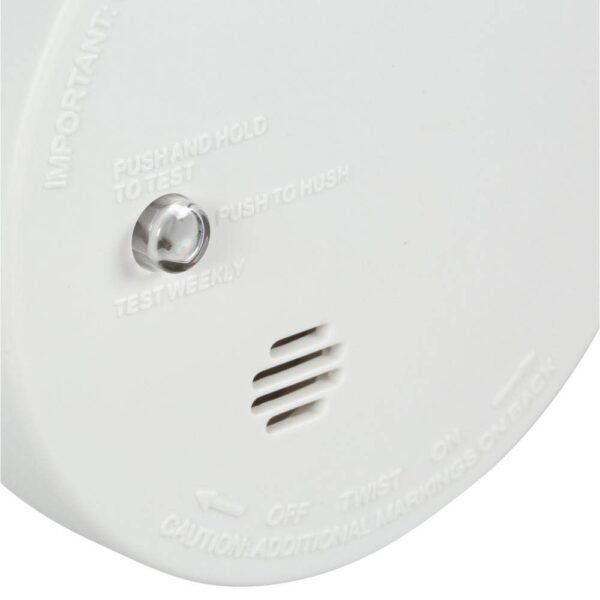
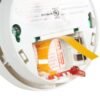
The alarm runs on a 9-volt battery, so installation involves no wiring. The test-hush button serves two purposes: it checks that the battery and horn are working, and it silences nuisance alarms set off by cooking fumes or steam. Kidde rates the horn at 85 decibels. The unit chirps when the battery is running down, which is a maintenance prompt rather than a fault, and it is meant to be irritating enough that the cell actually gets changed.
Benefits
- Compact size fits small spaces such as RVs and mobile homes.
- Battery power keeps the alarm running when mains power is out.
- Ionization technology detects fast-flaming fires early.
- Easy installation with no wiring required.
This alarm’s simplicity and low maintenance burden make it a straightforward choice for basic smoke detection. It is not packed with features, but it covers the essentials, and it sits at the plain end of the field covered in the rest of our smoke detector and fire alarm reviews.
Downsides
- Lacks a photoelectric sensor, which responds sooner to slow, smouldering fires.
- Battery not included, so a 9-volt cell has to be bought separately.
- The chirping low-battery warning can be disruptive, especially at night.
- No smart connectivity options for remote monitoring.
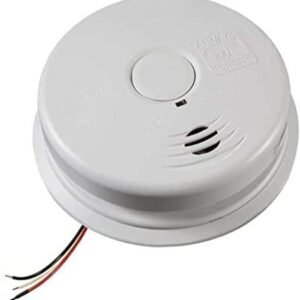
These limits matter most to buyers who want multi-sensor alarms or smart home integration. The replaceable 9-volt cell also means an annual battery task that a sealed unit avoids, so anyone tired of that routine should look at the Kidde i9010 with its sealed ten year battery instead. The absence of a photoelectric sensor means slower response to certain fires.
Comparing to Popular Competitors
Set against alarms like the Nest Protect or the wider First Alert range, this compact detector competes on basic fire safety rather than features. Nest Protect carries dual sensors, app connectivity and voice alerts, while the Kidde sticks to an ionization sensor and battery operation. That keeps it cheaper and simpler, and less versatile.
First Alert’s comparable battery-powered models often carry a photoelectric or dual sensor, and the dual sensor First Alert SM310 is the clearest example of that trade. Those units tend to be bulkier and more involved to fit. The Kidde detector’s compact size and ease of installation are its arguments, particularly for buyers who want a no-fuss alarm that works independently of household power.
Price Worthiness
Weighed against its features, this smoke detector offers good value for money. The affordable price point matches what a basic ionization alarm with simple mounting and maintenance normally costs. It is an obvious candidate for renters, RV owners, and anyone who needs alarms in several locations at once.
It lacks smart alerts and dual sensors, but its main function, detecting smoke and sounding a loud horn, is the one it is built around. The 3-year limited warranty is short by the standards of sealed units, and battery life depends entirely on regular replacement of the 9-volt cell.
Installation and Maintenance Requirements
Setup is wire-free, which is what makes the unit workable in tight spaces where running cable is impractical. Kidde includes instructions in the package, and the test button verifies the circuitry and horn without any tools. Manufacturer instructions should be followed as written, since they govern spacing from walls, corners and air vents.
Published specifications and owner ratings both point to the hush feature as the reason nuisance sensitivity stays manageable near kitchens and bathrooms, since a temporary silence avoids the more dangerous habit of pulling the battery. Maintenance amounts to swapping the 9-volt cell before it starts chirping, testing weekly, and watching the red LED for confirmation during a test or an alarm condition.
Safety Certifications and Reliability
The listing states that this smoke detector complies with UL 217, NFPA72, and NFPA101, and that the unit is UL listed and carries a 3-year manufacturer warranty. It is also listed as meeting Federal Housing Authority requirements, which matters to buyers fitting alarms in mobile homes or rental properties where that documentation is asked for.
Published specifications give an operating humidity tolerance up to 85% relative humidity and an upper temperature rating of 38 degrees Celsius, which covers a range of less climate-controlled spaces without stretching into hot attics or unconditioned garages.
The Kidde Fire Sentry combines a compact housing, ionization sensing, and simple battery operation into a practical alarm for buyers who want the basics done plainly. It has no smart technology and no second sensor, so it should be read as one part of a layered setup rather than a whole one. It suits buyers who prioritise simplicity, space-saving installation, and dependable fire detection over the complexity of more advanced models.