

Description
Perks of the First Alert PRC710 PC1210 Smoke and Carbon Monoxide Detector
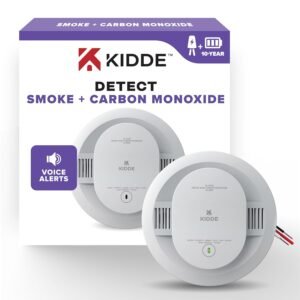
This combo alarm is built around a sealed power source. The 10-year sealed battery removes the annual battery change from the maintenance list, which is the single most skipped job in home fire safety. Its photoelectric sensor is the sensing type least prone to nuisance alarms from cooking and shower steam, a meaningful difference in kitchens and hallways. The 85db sound output is the published alarm rating, and the LED indicator gives a visual confirmation of status, so a working unit can be confirmed from the floor.
Installation is deliberately simple: the easy twist mount and included hardware mean no wiring and no electrical work, which is what makes this a realistic option for renters. The tamperproof design resists casual removal, useful in shared or rented spaces. The end-of-life warning is the feature that matters most on a sealed unit, since it signals when the decade long service period ends and the whole alarm has to be replaced.
- 10-year sealed battery removes annual battery changes
- Photoelectric sensor reduces false alarms effectively
- Loud 85db alarm ensures prompt notification
- User-friendly installation with included mounting hardware
Drawbacks That Might Make You Think Twice
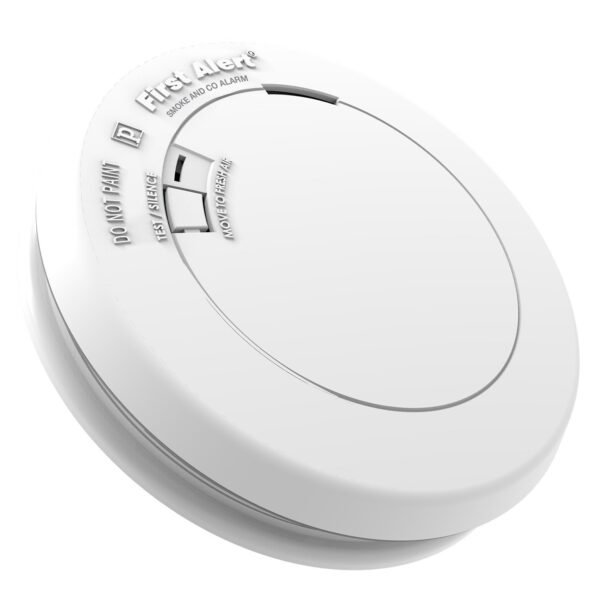
Not everything lands. The slim design puts the controls flush with the body, so finding the silence button in the dark takes a moment, which is exactly when people want it. And while the photoelectric sensor cuts nuisance alerts, no sensor is immune: heavy cooking smoke will still set it off.
Listing data on this model is also inconsistent in two places worth checking before you order. The product appears under two model numbers, PRC710 and PC1210, so confirm which unit the seller is actually shipping. More importantly, the same listing describes a 10-year sealed battery and then refers to sourcing a replacement lithium metal battery. Those cannot both be true: a sealed alarm has no serviceable cell, and when the battery is done the alarm is done. Verify on the box which version you have, because the maintenance schedule is completely different either way. Buyers who want a wired unit with a replaceable backup instead should look at First Alert’s SMICO100 combination alarm.
- Button placement not very intuitive for quick silencing
- Occasional false alarms despite photoelectric sensor
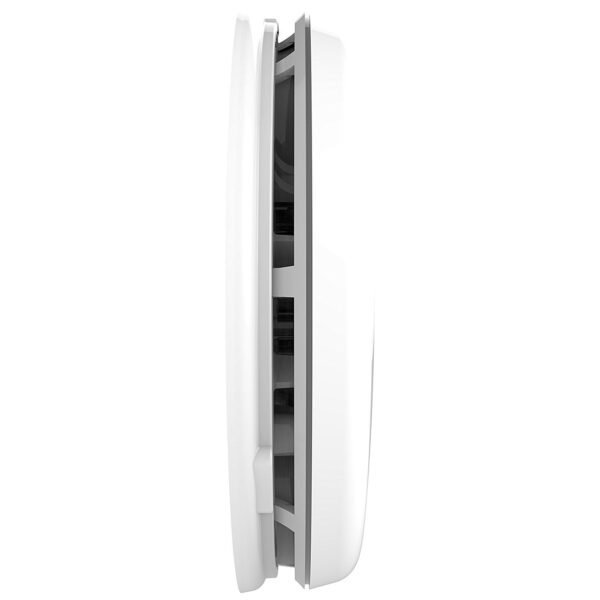
- Bulkier than some competing models at about 6.4 ounces
- Listing contradicts itself on whether the battery is sealed or replaceable
Features and Functionality Explored
The core of the specification is that carbon monoxide detection and smoke sensing share one housing. That combination is what keeps ceilings from filling with separate devices, and it is the reason this category exists at all. A single unit also means one end-of-life date to track rather than two.
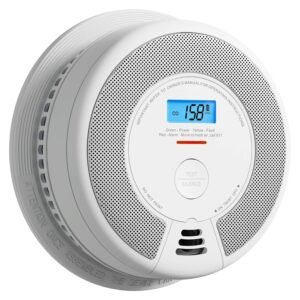
The photoelectric sensor is aimed at slow, smouldering fires, the type that produce large smoke particles before flames appear. That sensing choice trades some speed on fast flaming fires for far fewer trips from steam and toast. The audible alarm is loud in a small room, and the LED status indicator allows a quick check without pressing anything. Households that want a numeric CO reading rather than an alarm tone usually add a CO alarm with a digital display like the CO710 near sleeping areas.
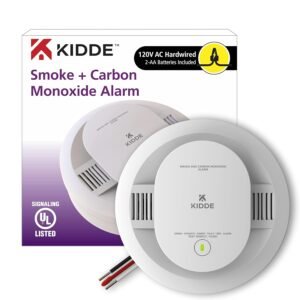
The tamperproof design is worth having where children or pets can reach the unit. The sealed battery means no cell to leak or go missing, and the listing states the alarm meets UL standards. Neither the sealed cell nor the tamper lock changes the weekly test instruction printed in the manual.
Value Proposition: Is This Detector Worth It?
Set against its price, the combination of smoke and carbon monoxide detection plus a decade of sealed power gives a reasonable price to quality ratio. Comparable alarms either cost more or ask for annual battery changes, and the running cost of the sealed approach is zero until the unit is replaced.
The ease of installation reinforces that. There is no wiring, no bracket alignment against an existing box and no electrician, which is why sealed battery combination alarms dominate the rental market. The X-Sense SC07 sealed combination alarm is the closest alternative on the same maintenance model.
For buyers who want long service without battery swaps, the specification fits. Anyone who needs the most compact possible unit, or who wants hardwired interconnect between rooms, should shop elsewhere. Placement and how many alarms a home requires are set by local code rather than by the product listing.
Product Rivals: How It Stacks Up Against the Competition
Compared with Nest Protect or Kidde’s sealed P3010CU combination alarm, this detector competes on the plain numbers. The 10-year sealed battery matches the best in the sealed class and beats any unit still using replaceable cells on maintenance effort. Its photoelectric sensor performs the same job as the Kidde on nuisance rejection.
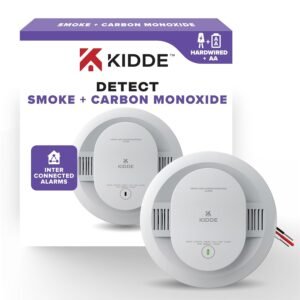
What it lacks is smart home integration. There are no phone alerts and no links to other connected devices, so households already running a smart home will find it dated. Nest Protect answers that with voice alerts and smartphone notifications at a much higher price.
On alarm loudness, 85db is the normal figure across this whole category rather than a standout, which matters in large or noisy homes where one alarm cannot cover everything. The tamperproof and sealed battery design remain clear advantages over cheap alarms with removable cells and no tamper lock.
Positive Features Worth Highlighting
- 10-year sealed battery removes the yearly maintenance job
- Photoelectric sensor limits false alarms from everyday activities
- Easy installation with included mounting hardware
- Tamperproof design enhances security
Limitations You Should Know About
- Button placement could be more user-friendly for quick silencing
- Not immune to false alarms in heavy smoke or steam
- Relatively bulky compared to ultra-slim competitors
- Lack of smart or Wi-Fi connectivity features
Installation and Everyday Use
Setting up a sealed battery alarm is a short job. The twist mount system and supplied hardware fix the base to the ceiling, and no professional is required for the mounting itself. The battery is pre-installed, so the alarm activates as it locks onto the base rather than waiting on a pull tab.
In daily use the LED indicator’s blink is the only sign the unit is doing anything, which is how it should be. The loud, piercing alarm is the point of the device. The small silence button is the recurring complaint in owner ratings, particularly during a cooking triggered alert when the user is reaching up at an awkward angle.
Otherwise the alarm sits in the background as a device that needs a weekly test and nothing else. It monitors two hazards at once, which is the practical reason to choose a combination unit over separate smoke and CO alarms.
Final Thoughts on Practicality and User Experience
The combo unit’s inclusion of both smoke and CO detection simplifies what a household has to buy, mount and track. Judged on published specification against the rest of our combination smoke and carbon monoxide detector reviews, it strikes a sensible balance between coverage and convenience. The sealed decade of power and the tamper lock are its distinguishing features.
The small silence button and the occasional nuisance alarm are the real annoyances. The listing’s reference to UL standards and the sealed construction are the reassurance on build, and the profile, while not the slimmest, is standard for the category.
If you want a dependable combination smoke and carbon monoxide detector with no batteries to buy and no wiring to run, this device belongs on the shortlist, with the battery inconsistency above checked first.