
Description
Positive Features of the Venom Web Diamond Polishing Pads
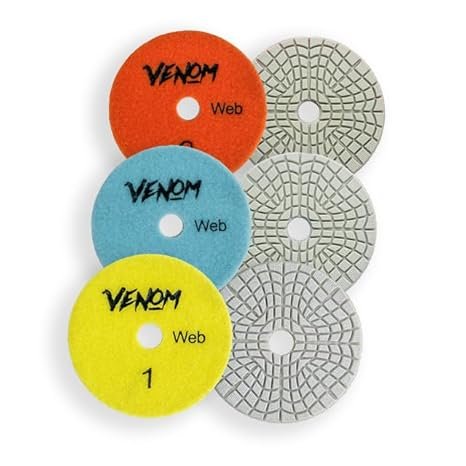
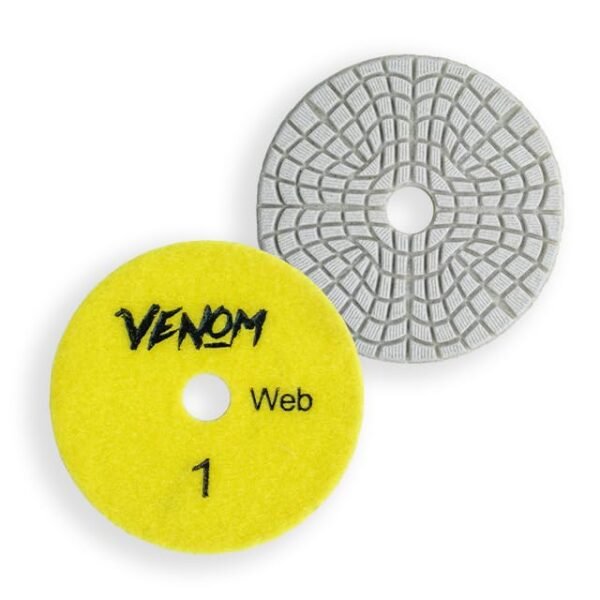
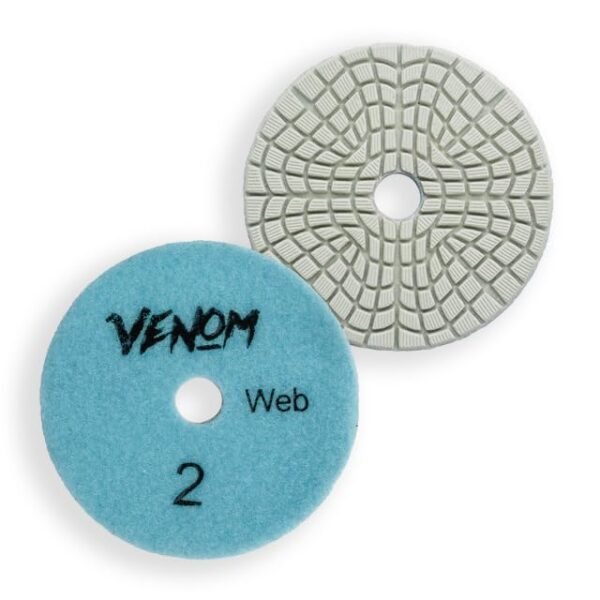
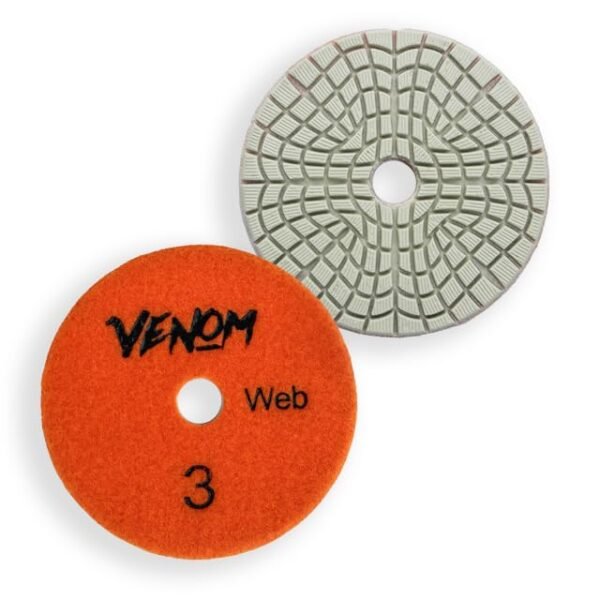
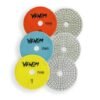
The Venom Web Diamond Polishing Pads, 3-Step System, 4 Inch, Set of 3 are aimed at stone and concrete polishing, and the spec that shapes the whole set is the step count. The color-coded sequence, yellow then blue then orange, makes the polishing stages self-explanatory, which lowers the entry barrier for buyers who are not full-time contractors. The precise center hole design is specified for fit on standard polishing tools, the detail that determines whether a pad runs true or wobbles on the backer.
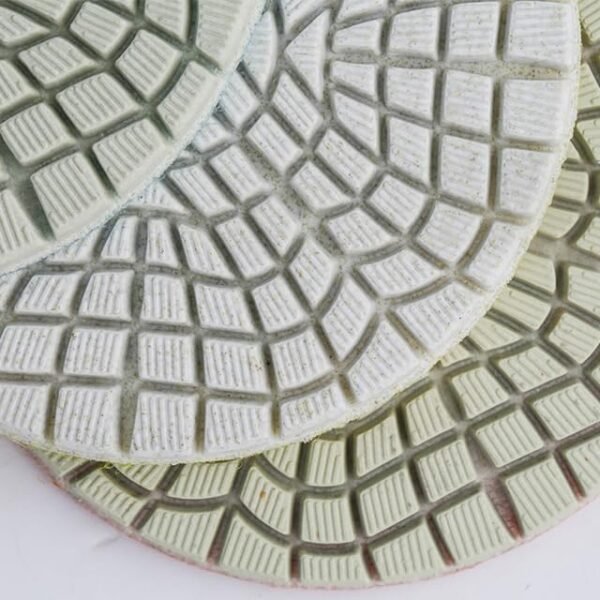
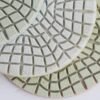
The web pattern embedded in the resin-bonded pads is the design centrepiece. The pattern is there to distribute pressure across the surface and to keep the pads cooler, which the manufacturer ties to reduced overheating and longer pad life. On granite countertops, that combination is what the 3-step progression is built for. The pads are listed for both wet and dry applications, with wet work the intended mode for shine and dust control. Matching them to the right machine matters as much as the pads themselves, and our polishers and buffers category covers the tools that drive them.
- Color-coded pads simplify the polishing sequence
- Web pattern design enhances cooling and surface contact
- Durable resin-bond construction ensures longevity
- Compatible with most standard polishing tools
- Effective on granite, marble, concrete, and similar surfaces
Drawbacks Worth Considering
A few limitations sit against those strengths. The pads read as relatively delicate on rougher concrete, where excess pressure is what drives uneven wear. For heavy-duty contractors polishing large areas daily, these are likely to wear faster than industrial-grade alternatives built for that duty cycle.
The 4-inch size suits small projects but slows down bigger floor surfaces, since coverage per pass is simply lower than on larger pads. The set is also primarily specified for wet polishing, so dry use tends toward more dust and less consistent results, a trait common to most diamond pads rather than unique to this set.
- Pads can wear unevenly under heavy pressure
- Small 4-inch size may slow down large projects
- Less effective when used dry, producing dust and scratch marks
- Resin bond may not handle extremely abrasive environments well
Precision and Design Innovation
The web pattern technology is the specification that separates this set from plain resin pads. It is not decorative: the webbing is designed to improve airflow and cooling during polishing, and heat is the failure mode that ruins both the pad and the worked surface. On marble tile, where dwell time is long and the surface is unforgiving, lower heat buildup is the difference between continuous work and stopping to let the pad cool.
The resin bond carrying the diamond abrasives is specified as solid and consistent, which is what delivers smooth abrasion without chipping or uneven wear. Pad flexibility is the other half of that: it lets the pad contour to the surface, which is what produces a consistent shine on uneven or curved stone.
Versatility Across Stone Surfaces
The listed material range covers a lot of ground. Granite counters, marble sink surrounds, and decorative concrete pavers all fall inside the intended scope. The pads progressively refine the surface from rough toward a mirror finish, which is the point of a 3-step system built for gradual surface enhancement rather than a single aggressive pass.
On larger polished concrete floors the pads still work, but buyer feedback points the same way the size spec does: 4 inches is small for commercial-scale flat work. For DIY enthusiasts and small contractors, that is the right trade. Anyone running wet stone work regularly should pair them with a dedicated machine such as the Makita PW5001C variable-speed wet stone polisher.
Price to Quality Ratio
Measured against the feature set and build spec, this set lands at a respectable price to quality ratio. Durability is adequate to justify the outlay for anyone polishing stone occasionally or at small scale. The pricing sits well below high-end industrial pads while still targeting professional-grade output.
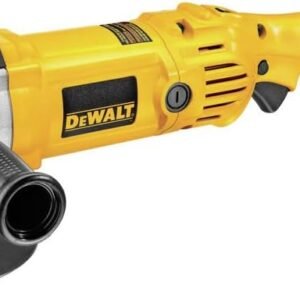
The trade against competitors is breadth. Larger sets offer five or more grit options, which suits specialists, while the simple 3-step progression with clear color coding keeps this set beginner-friendly and quick to run. For buyers on a budget who want reliable pads without a complicated sequence, that simplicity is the value, and a variable speed machine such as the DEWALT DWP849X variable speed polisher keeps pad speed inside the range the resin bond tolerates.
Product Competitors and How They Stack Up
Set against other diamond polishing pads, a few differences stand out. Some competitors provide larger sets with five or more grit levels, which can reach a finer finish on highly polished stone but also lengthen the process. The Venom Web pads keep it to three steps, which suits users who want a direct route to a finished surface.
Other brands often lack the web pattern entirely, and that is the clearest differentiator here, since cooling and pad longevity are exactly where generic diamond pads tend to fail. Premium competitors counter with larger pad sizes and more aggressive resin bonds for heavy industrial duty, both areas where this set is not the intended answer.
For buyers focused on precision and ease of use on smaller projects, these pads fit well, while high-volume heavy-duty polishing points toward other options. The machine side of that decision is covered in the Makita 9227C 7-inch polisher and sander.
User Experience and Practical Usage Notes
The set is straightforward to run. The color-coded system removes the guesswork over which pad comes next, which matters most for occasional users moving between projects without formal training. The center hole spec is what keeps the pads seated securely without slipping or excess vibration.
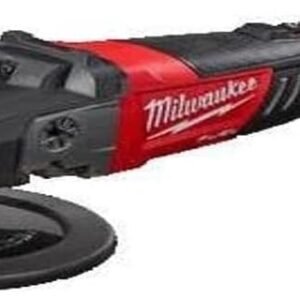
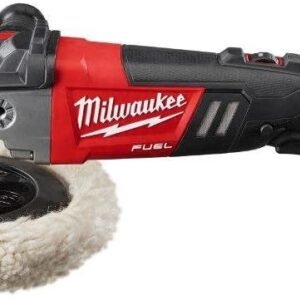
Buyer feedback consistently describes the pads as forgiving, which is the practical benefit of the flexible resin bond: less risk of deep scratches or uneven polishing from an inexperienced pass. Wet polishing remains the mode the pads are specified for, and it is the one that keeps dust down and shine up. Buyers running these on a random-orbit machine can compare drive options against the Milwaukee M18 FUEL 15mm random orbital polisher, or the corded Makita 9237CX3 polisher kit.
On cleaning and maintenance, the pads rinse clean under water and dry quickly. The resin bond is specified to hold up across repeated sessions, which is what supports the longevity claim in the feature list.
This review covers a broad perspective, from design and performance to practical use and price considerations, helping you decide if this diamond polishing pad set matches your needs.