Description
Highlights of Power and Precision
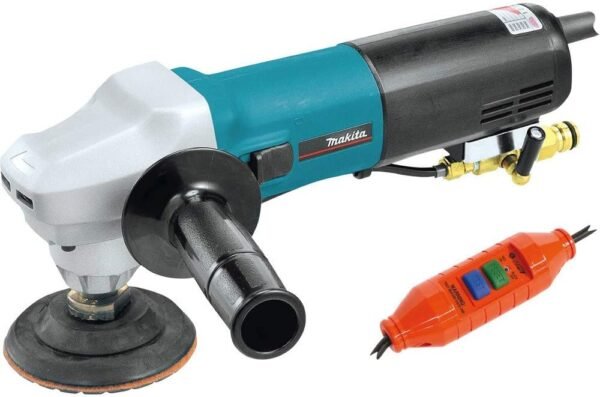
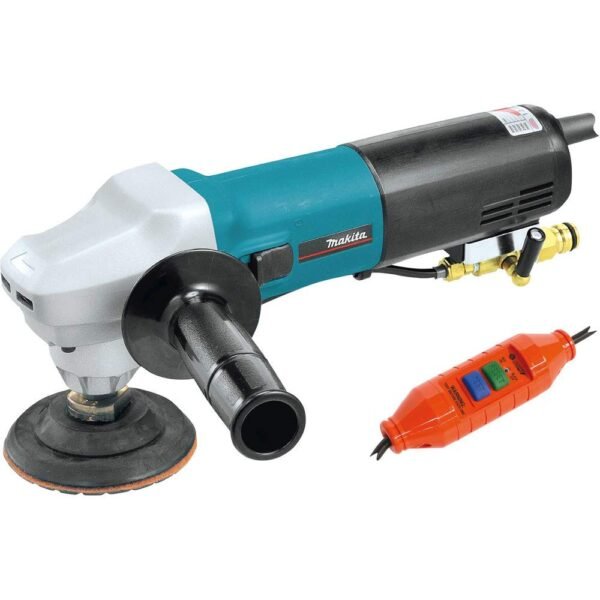
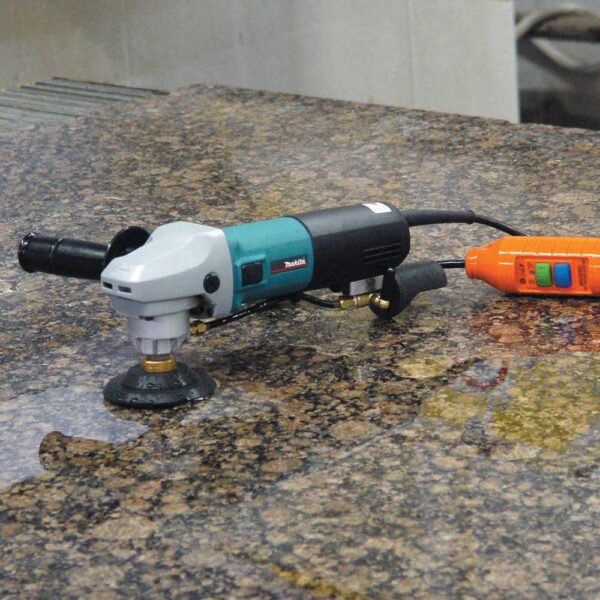
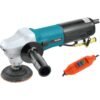
The Makita PW5001C 4″ Electronic Stone Polisher is specified as a purpose-built wet polisher rather than a general buffer. A 7.9 AMP motor supplies the power, rated for granite, marble, and limestone. The variable speed control dial covers 2,000 to 4,000 RPM, and that range is what allows the same tool to work soft and hard stone without changing machines, since stone type dictates surface speed more than operator preference. The electronic speed control system holds RPM steady under load, which is the specification that prevents bogging down during heavy polishing or light grinding.
The soft start feature removes the initial jerk at power-up, which matters on a wet tool where a sudden start can throw water and slurry across the work. The tool also ships with a Ground Fault Circuit Interrupter (GFCI) plug, which is standard specification for equipment used around water. Follow the manufacturer’s instructions and local electrical requirements for wet work rather than treating the plug as a substitute for either.
Good Aspects That Make a Difference
- The lightweight design at just 4.6 pounds is a genuine differentiator in this category. Extended sessions cause less fatigue, and the ergonomic side handle supplies grip and control.
- The industrial die-cast aluminum gear housing is durable yet light, protecting the motor while keeping overall weight manageable.
- Water distribution runs through three holes at the spindle top, spreading water evenly to the pad, which is what prevents clogging during polishing.
- Compatibility with common water hose connections removes the need for adapters, a practical detail on site.
- The included accessories, a rubber pad, side handle, head cover, wrenches, front grip, and dust cover, cover the basics without additional purchases.
Drawbacks That Could Be Improved
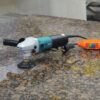
- Buyer feedback repeatedly flags the cord length as restrictive, particularly on larger slabs where an extension lead becomes necessary.
- While the speed dial is well placed, it lacks strong tactile detents, so settings are hard to confirm without looking.
- The polisher’s noise level is moderate but noticeable, which is worth weighing for indoor or residential work without hearing protection.
- The water flow rate needs manual adjustment at the hose to prevent oversaturation, which adds a step to maintaining a controlled working area.
- The price point is steep for hobbyists or occasional users, given the professional-grade specification.
Ergonomics and Comfort in Use
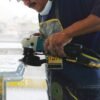
Handling follows directly from the balanced weight distribution and the soft grip handles. At this weight the tool asks far less of the wrist than bulkier polishers, which is the deciding factor on large projects. The side handle placement is adjustable, so the tool suits right-handed and left-handed operation equally. The compact size (7.09 x 16.02 x 6.18 inches) is what allows access to intricate stone detail work where a larger body will not fit.
Buyer feedback consistently notes quiet, smooth running for the class. The soft start and electronic speed control also make the tool approachable for less experienced users, since both remove the moments where control is most easily lost. Comparable machines across the wider field sit in our polishers and buffers category.
Versatility Across Stone Types and Applications
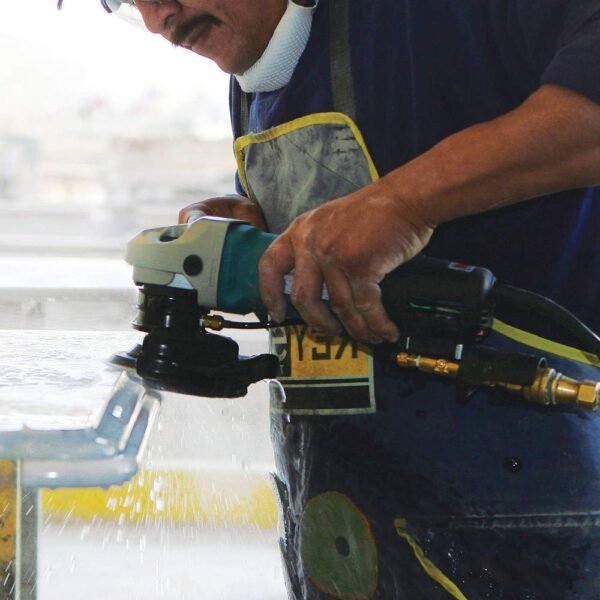
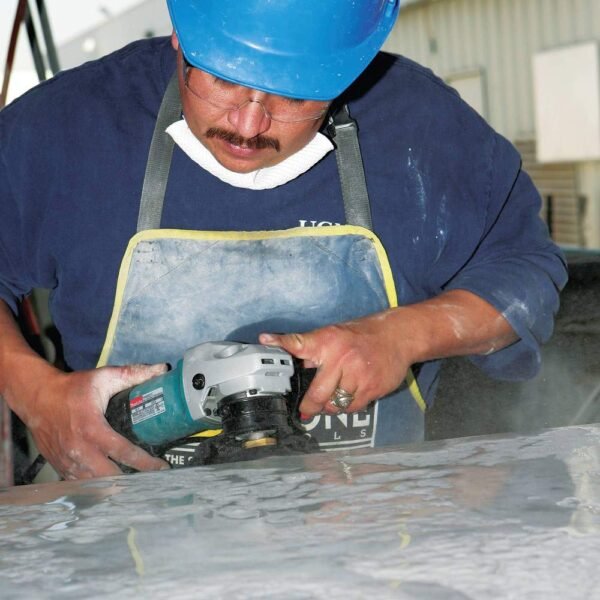
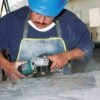
The specified stone range is broad, covering granite countertops, marble tabletops, and limestone tiles. The variable speed setting is the specification that makes that spread workable, running slower on delicate marble and faster on harder granite. The wet polishing capability, supported by the built-in water distribution system, is what keeps dust and heat build-up down, which improves both the finish and the working conditions. Pad selection matters as much as the machine here, and the Venom Web diamond polishing pad set covers the 3-step progression these tools are designed to run.
The tool is not limited to polishing. It is also rated for light grinding and sanding, which lets one machine replace several single-purpose tools in a stone workshop. That range is the practical argument for the price on restoration work where several different finishes are needed on one job.
Competitive Options in the Market
Against comparable tools such as the Bosch GPO 14 CE or the DEWALT DWP849X variable-speed buffer, a few distinctions stand out. The PW5001C offers a more refined speed control system and a lower weight than the Bosch, which favours extended use. The DEWALT is powerful but does not publish the same electronic speed consistency under load, and it has no integrated water feed, which means more manual management and a higher risk of pad clogging on wet stone.
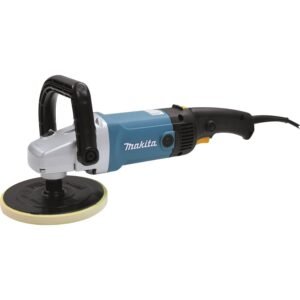
Several competitors do offer longer cords or lower noise levels, and either can be the deciding factor depending on the working environment. For professional stone work centred on precision and finish quality, this Makita leads on durability, smooth operation, and water management. Buyers who need a larger dry polisher instead should compare the Makita 9237CX3 7-inch polisher and sander kit.
Price Performance: Worth the Investment?
On price to quality ratio, the polisher sits comfortably for professionals who need a dependable tool for daily stone work. It is not the cheapest option, though the combination of soft start, GFCI plug, and variable speed dial is what accounts for the difference in consistency and working practice.
For hobbyists and occasional users, the outlay looks heavy, but regular stone finishing work recovers it in time saved and finish quality. The durability and engineering specification also point to a long service life across many projects, which is the other half of the value case. Buyers wanting a dual-purpose polisher and sander at larger diameter can weigh the Makita 9227C 7-inch polisher alongside it.
Downsides to Keep in Mind
- The limited cord length might require additional equipment or planning on bigger job sites.
- Noise levels could be problematic in noise-sensitive areas.
- The speed dial’s subtle feedback means checking the setting visually rather than by feel.
- Some water flow tweaking is necessary to avoid over-wetting, which might slow down workflow.
- The upfront cost is on the higher side, which might deter those not fully committed to stone polishing work.
Taken together, this polisher balances power, precision, and comfort well, though the minor annoyances above will matter more or less depending on the work involved.