
Description
Rugged Construction for Industrial Environments
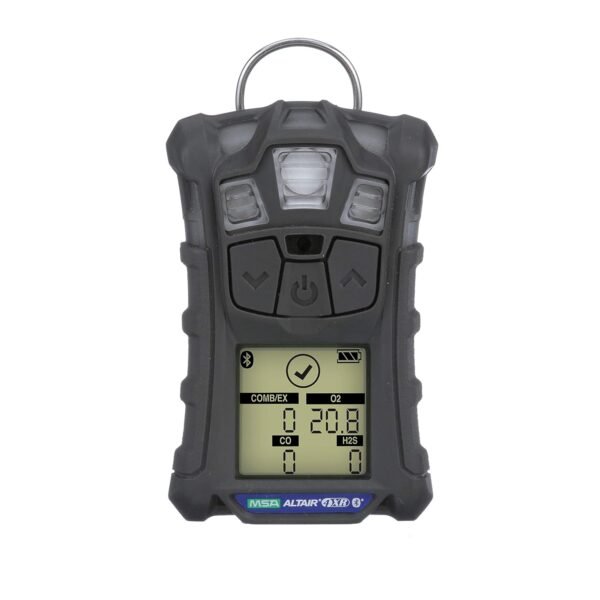
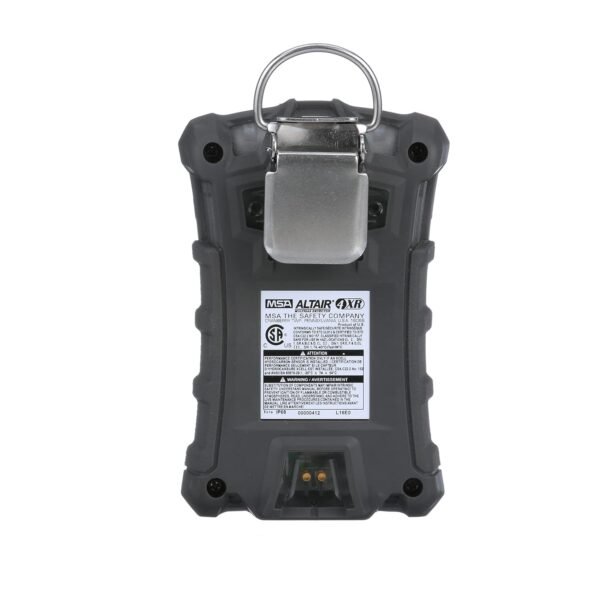
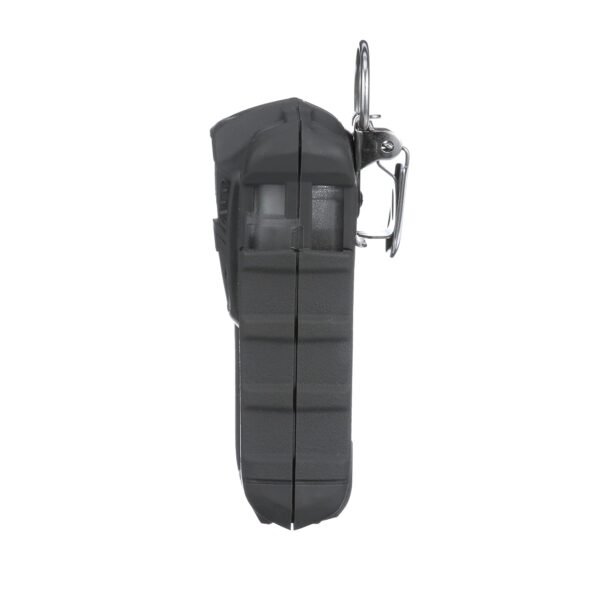
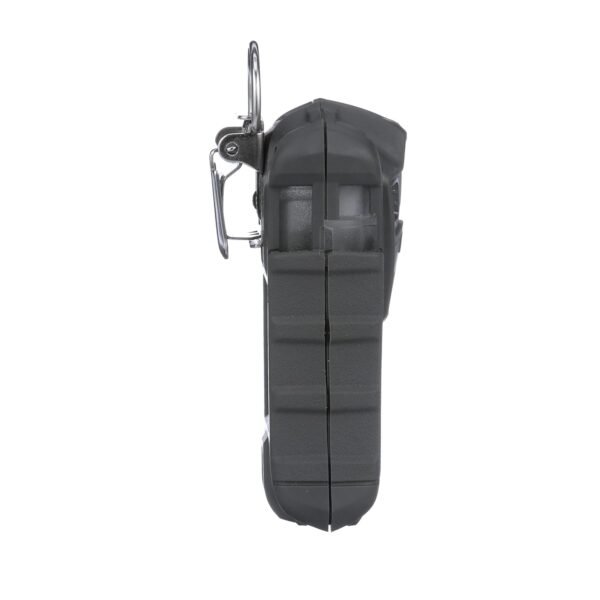
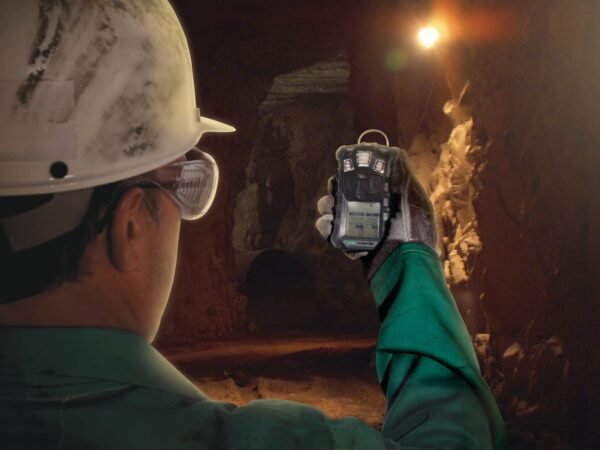
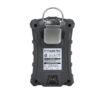
The MSA 10178557 ALTAIR 4XR Multigas Detector is specified around durability. The over-molded rubber armor backs a published rating for repeated 25-foot drops onto concrete, and the instrument carries MIL-STD-810G drop protection along with an IP68 dust and water ingress rating, which together describe a monitor meant to be dropped down a manhole rather than carried in a case. Listed dimensions are roughly 1.37″ deep by 3″ wide and 4.4″ tall at a weight of just over half a pound, small enough to clip to a harness for a full shift. Those numbers are the reason the 4XR shows up in confined-space and utility work rather than in the general handheld sniffers listed under gas detectors and alarms, where most units target intermittent leak checks instead of continuous personal monitoring.
Four Gas Channels and Sensor Types
The headline capability is simultaneous measurement of four gases: combustible gas as a percentage of the Lower Explosive Limit (LEL), oxygen (O2), hydrogen sulfide (H2S) and carbon monoxide (CO). Combustible gas is read by a catalytic sensor, the toxic and oxygen channels by electrochemical cells, and MSA states that the channels run with effectively no cross-channel interference, which is the failure mode that pushes a reading off in mixed atmospheres. Four channels is the standard confined-space configuration because the four gases cover the common hazards in one instrument: explosive atmosphere, oxygen deficiency or enrichment, and the two toxic gases most often encountered in sewers, tanks and utility vaults. Single-gas tools such as the Klein Tools ET120 combustible gas leak detector answer a much narrower question.
Alarms and Worker Safety Features
Alarm output is audible and visual, sized for noisy and low-visibility work areas. Two alarm behaviors are listed beyond the gas thresholds: MotionAlert, a man-down alarm that triggers when the instrument stops moving for a set period, and a manually triggered alarm the wearer can set off deliberately to signal for help. The end-of-sensor-life warning matters more than it sounds, because electrochemical cells degrade whether or not they are ever exposed to gas, and a monitor with a dead cell reads clean. LED indicators and large on-screen cues report sensor status and bump test results at a glance. None of this replaces the daily bump test and the scheduled calibration the manufacturer specifies, and a personal monitor is one element of a site gas safety program rather than a substitute for entry procedure.
Data Logging and Traceability
Record keeping is where the 4XR separates from budget monitors. The published figures are storage for more than 500 alarm events and over 50 hours of datalog, including bump test and calibration records, exported through MSA Link Pro and MSA Link software. For any operation that has to evidence gas testing to an auditor or an insurer, that log is the deliverable, and reconstructing it from paper records is the alternative. The rechargeable lithium polymer battery is rated for up to 24 hours of continuous run time, covering a long shift with margin.
Plug and Play XCell Sensors
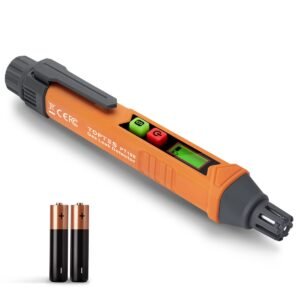
The instrument takes MSA XCell sensors in plug-and-play slots, so a spent or drifting cell is swapped without returning the unit to a service depot. That modularity also lets a fleet be reconfigured as the hazard profile of a site changes. In practice it converts sensor replacement from downtime into a bench task, which is the sort of detail that decides total cost across a fleet of monitors rather than a single purchase. Simpler portable units such as the TopTes PT199 natural gas leak detector have no equivalent modularity, because the sensor and the instrument are one part.
Limitations to Weigh
The listing contradicts itself on power: one section describes an integrated rechargeable lithium polymer battery, while another states that no batteries are included, so confirm the shipped power configuration against the MSA data sheet before ordering. Price sits at the high end of the four-gas category, which is hard to justify for occasional checks. The interface carries the depth that comes with logging, alarm setpoints and calibration records, so new users need training rather than a glance at a quick-start card. The published environmental limits, up to 95% humidity and 50 degrees Celsius, are generous but real; work outside them needs a different instrument.
How It Compares
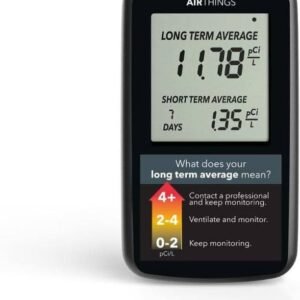
Against familiar four-gas alternatives such as the BW GasAlert MicroClip XL or the Drager X-am 2500, the ALTAIR 4XR argues on ruggedness and on the depth of its datalog. Lighter competitors exist, and some claim longer run times or a simpler menu structure, which are legitimate reasons to choose them where the instrument lives in a truck rather than on a belt. Buyers whose actual need is a fixed household gas or radon monitor are in a different category altogether, closer to the Airthings Corentium Home radon monitor or a combination alarm like the Kidde KN-COEG-3 carbon monoxide and explosive gas alarm.
Value Assessment
The price to specification ratio reads well for organizations that need documented gas testing every day: rugged housing, four channels, swappable sensors and an audit trail in one instrument. For infrequent monitoring, or for a single technician checking the occasional line, the feature set is more instrument than the job requires and the running cost of calibration gas and bump stations adds to the total. The deciding question is whether the log and the drop rating are requirements or conveniences.
Specifications That Stand Out
- MIL-STD-810G drop protection and IP68 ingress rating
- Four channels: LEL, O2, H2S and CO, catalytic plus electrochemical
- More than 500 alarm events and over 50 hours of datalog storage
- MotionAlert man-down alarm plus a manually triggered alarm
Areas for Improvement
- Listing conflicts on whether a battery ships with the unit
- High price relative to simpler four-gas monitors
- Interface depth calls for operator training
- Humidity and temperature limits rule out the most extreme sites
On published specification, the ALTAIR 4XR is a monitor built for daily industrial duty: a hard shell, four channels with a stated freedom from cross-interference, swappable sensors and enough logging to satisfy a compliance review. What it reports is the gas concentration at the sensor, on the schedule its calibration is kept to, which is why the bump test routine matters as much as the purchase decision.