
Description
Benefits of Continuous Radon Monitoring
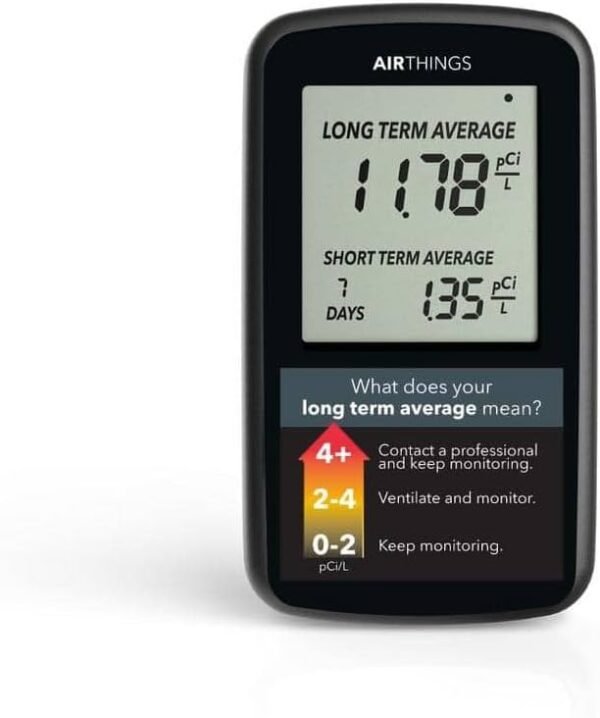
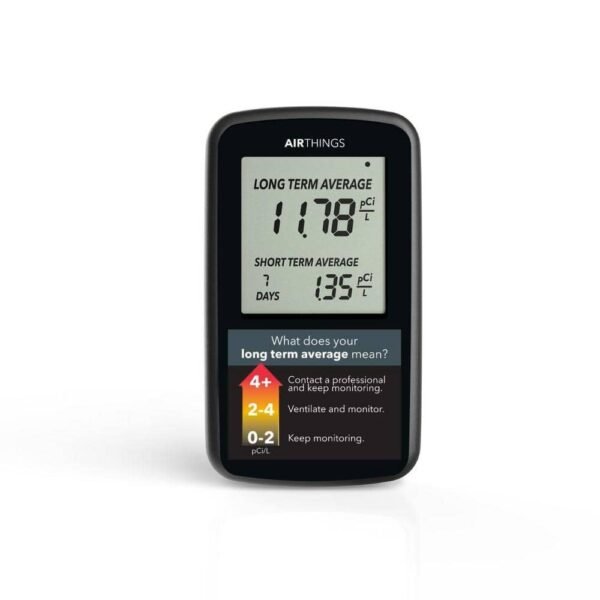
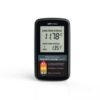
The Airthings Corentium Home Radon Detector 2350 is a battery operated digital radon monitor rather than a test kit, and that difference is the whole point of the specification. The published timing is a first reading within 24 hours with the manufacturer stating that accuracy settles after roughly a week of continuous sampling. Because the unit keeps sampling indefinitely, it reports how levels move rather than producing one figure from one window. Charcoal kits work the other way: a sample is exposed, posted to a laboratory and returned as a single number, with a fee attached each time.
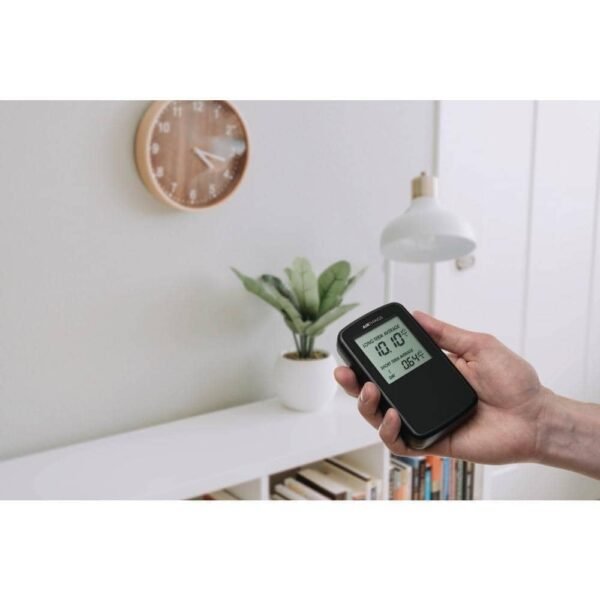
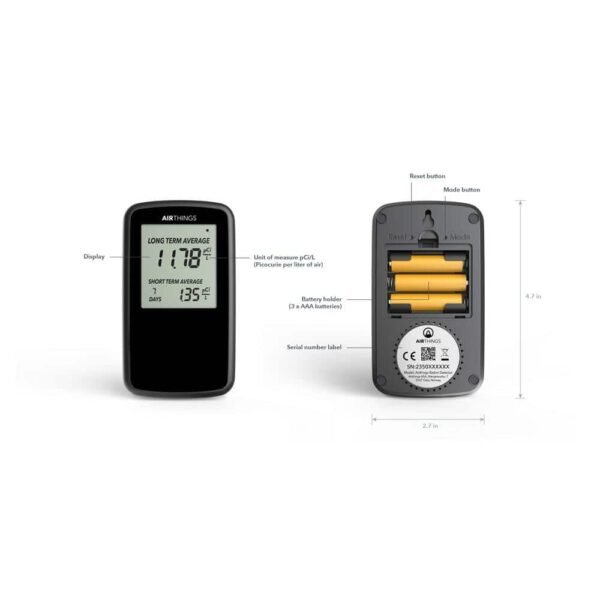
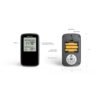
The LCD readout presents daily, weekly and long term averages side by side, which is the format that makes a trend legible. Radon concentration varies with weather, season, ventilation and how the house is being used, so a single number from a single week answers a narrower question than a running average does. Nothing in this device stops radon entering a building; it measures what is already there, and what to do about a raised reading is a question for a certified radon professional and for the mitigation guidance that applies locally.
Specification Points That Stand Out
- The manufacturer states that measurement technology usually found in commercial instruments is used in this consumer sized housing.
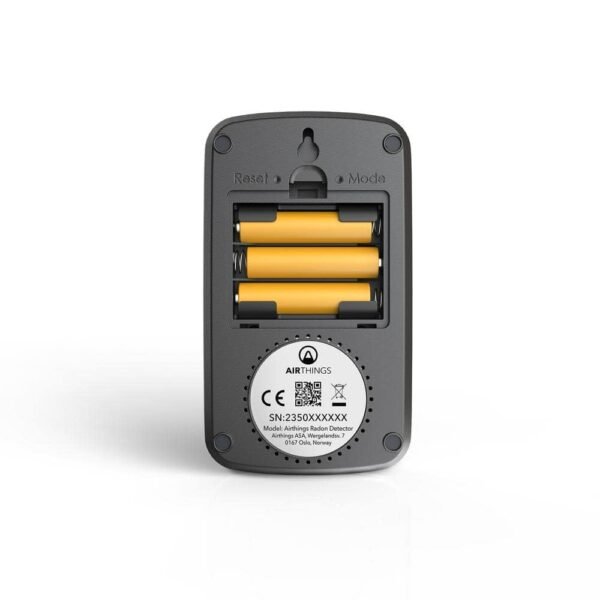
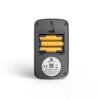
- Power is three AAA cells with a stated life of around two years, so maintenance is a battery change every other year.
- The unit weighs 8.1 ounces and is fully portable, so it can be moved between rooms to sample different locations.
- The manufacturer states the detector is unaffected by electromagnetic interference and by dust, and that no annual calibration is required.
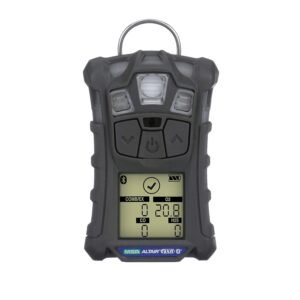
Those last two claims come from the manufacturer rather than from any independent measurement, and they are the ones most worth verifying against the product documentation, since they carry the argument for buying a monitor over repeat test kits. The phrase about commercial grade internals is worth keeping in proportion as well: purpose built industrial instruments such as the MSA ALTAIR 4XR multigas monitor sit in a different duty and price class entirely.
Shortcomings Worth Weighing
- The LCD is small and reads best up close, which is awkward if the unit sits on a basement shelf above eye level.
- The AAA cells are not rechargeable, so replacement is a periodic purchase, albeit an infrequent one.
- There is no Wi-Fi, Bluetooth or app, so readings are only available by walking to the device. Remote notification is not part of this model at any price.
- The unit is intended to monitor the lowest occupied floor, where radon concentrations are typically highest, which limits how much a single unit tells anyone about a multi level property.
How It Compares to Alternatives
Against charcoal kits the trade is clear: no laboratory fee, no posting, and a continuous series of readings instead of a single result. Against connected radon monitors the trade runs the other way, since app equipped units add remote status and alerting that this model does not offer. Within the wider gas detector and alarm category it is worth being clear that a radon monitor is not an alarm at all: it reports a concentration and leaves the decision to the reader, unlike a combustible gas or CO alarm that sounds a horn at a threshold.
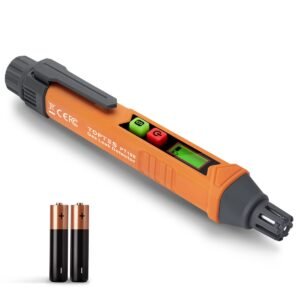
That distinction matters when planning coverage. A radon monitor does not detect a gas leak, and a device such as the TopTes PT199 portable gas leak detector or the Klein Tools ET120 combustible gas detector covers a completely different hazard. Neither of those covers radon, and a CO and explosive gas alarm such as the Kidde KN-COEG-3 carbon monoxide and gas alarm is a third separate function again. These are complementary instruments, not substitutes.
Design and Usability
The housing is small, plain and free standing, so it can be placed on a shelf or a table without mounting hardware and moved without tools. One description in the listing does not hold together: the interface is called a touchscreen in one section while the display is described as an LCD readout operated by buttons elsewhere. Those are different input methods, and the control layout should be confirmed against the manufacturer sheet before buying if that matters to the buyer.
Setup is inserting three AAA cells and switching the unit on, with no wiring, no pairing and no account. That suits renters and anyone who wants a reading without a service subscription. The supplied documentation covers placement, and the guidance it gives matters more than the device settings, since radon enters from the ground and a reading taken on an upper floor answers a different question than one taken in a basement.
Placement and Reading Stability
Placement affects the numbers more than any other user controlled variable. Positions near a window, a door or a draft produce readings that reflect local air movement rather than the room, which is why manufacturer guidance points to a stable interior spot away from ventilation. The unit runs silently, with no horn and no flashing indicator, so it does not intrude on a room the way an alarm does.
The corollary is that it will not wake anyone. A radon monitor is a measurement instrument checked deliberately rather than a warning device, and it should not be treated as one. Radon exposure guidance, action levels and mitigation decisions come from published health authority guidance and from a certified radon professional, not from a consumer meter reading alone.
Price Performance
On specification per dollar the case rests on repeat use. A monitor costs more than one charcoal kit and less than several, and with a two year battery life and no calibration schedule the running cost after purchase is close to nothing. For a household testing once and never again, a kit is cheaper. For a household in a known radon area, or one that has completed mitigation work and wants to see whether the result holds across seasons, the continuous series is what the extra outlay buys.
Connected monitors cost more and add remote reading. Whether that is worth the difference depends on whether anyone will actually check a phone for a slow moving figure, or whether a display checked in passing does the same job.
Areas for Improvement
The absence of any wireless connection is the most requested addition on devices of this type, since it would allow readings to be logged and reviewed without standing in front of the unit. A rechargeable cell or an external supply option would also suit a monitor intended to run permanently in one location, and a larger display would help where the unit sits on a high shelf or where eyesight makes a small readout hard to read.
None of those affect the core function. What the device does is sample continuously and report daily, weekly and long term average radon concentrations on its own screen. Interpreting those figures, and deciding whether a property needs mitigation work, is a separate matter that belongs with published health guidance and a qualified radon professional.