
Description
Design and Build Quality of the Multi-Tool
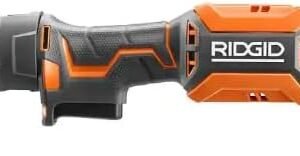
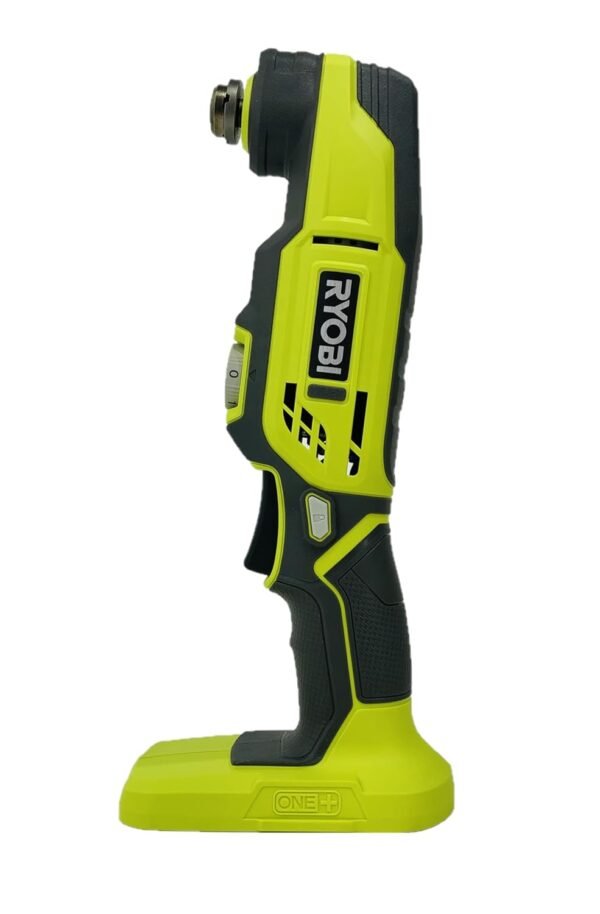
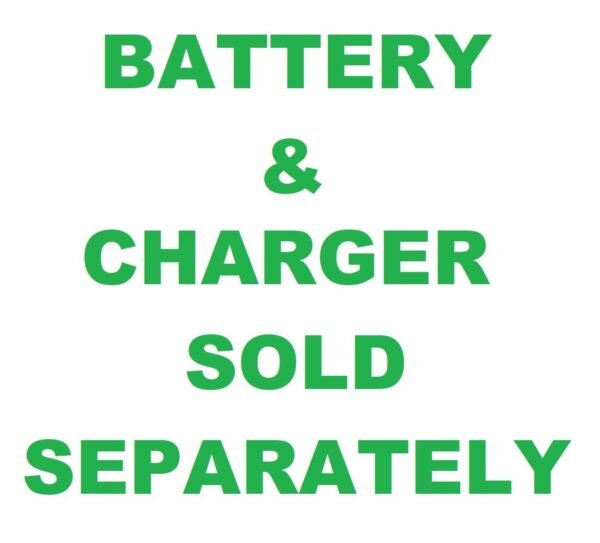
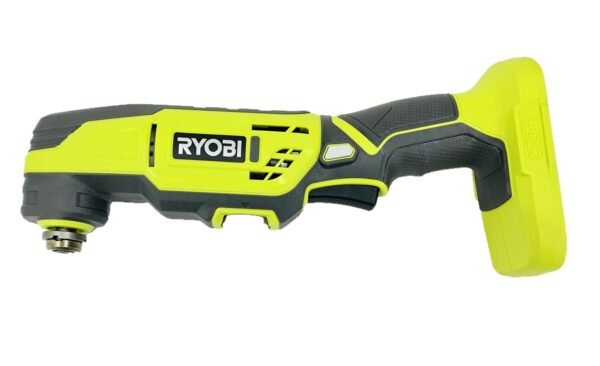
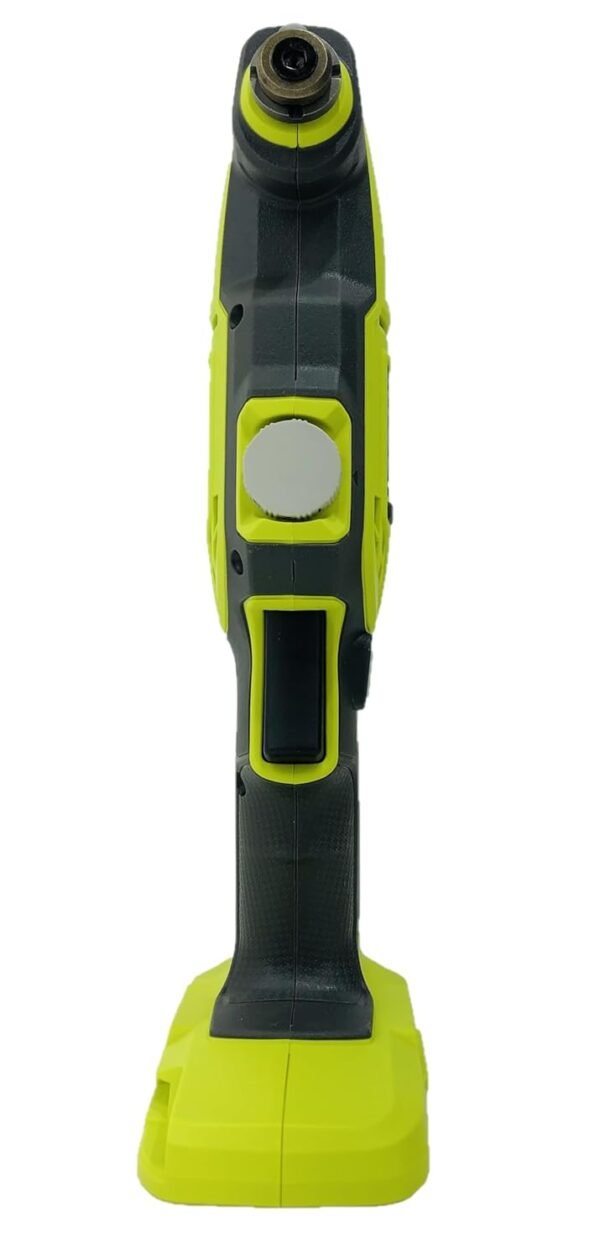
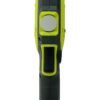
The RYOBI 18-Volt Cordless Oscillating Multi-Tool, P343 is specified as a compact, pencil-style design, the slim barrel format that makes an oscillating tool easier to steer in tight spots. Its listed weight is just under a kilogram, which is light for a cordless multi-tool before a battery is fitted, and the mix of plastic and metal components is the usual compromise between durability and mass in this price band. The listing also states it ships as a bare tool, without battery or charger, which buyers need to plan for. The bulk packaging with no retail box is a minor point that has no bearing on the tool itself, though it does mean no printed manual arrives with it.
Performance and Variable Speed Control
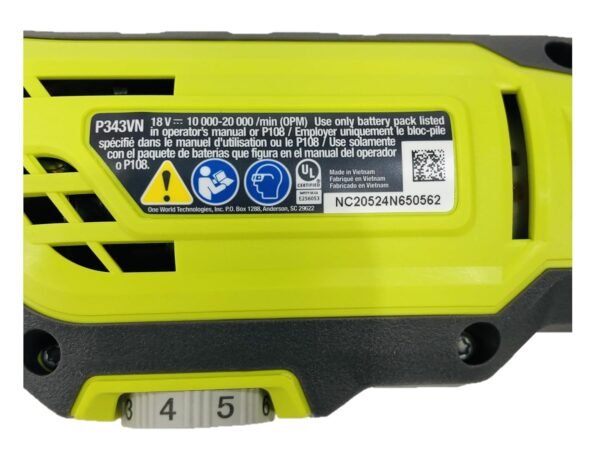
The headline capability is the variable speed dial, rated from 10,000 to 20,000 oscillations per minute (OPM). That range is what allows one tool to handle cutting, sanding, and scraping without switching machines, since each of those jobs wants a different stroke rate. The 3-degree oscillation angle is the second figure that matters: a wider angle removes material faster while a narrower one holds a cut line, and 3 degrees sits in the middle of the segment. Because the motor draws directly from an 18-volt pack, power delivery holds up under load better than corded low-amperage alternatives, which is why the same tool copes with wood, metal, and drywall accessories.
Battery Compatibility and Power Source Considerations
Selling as a bare tool cuts both ways. For anyone already committed to the RYOBI 18-volt ONE+ battery system, the tool drops into an existing kit at the lowest possible cost and shares chargers with everything else on the shelf. For a first-time buyer, the battery and charger have to be added before it will run at all, which changes the real price substantially. Runtime depends entirely on pack capacity, so a second battery is worth budgeting for on any job that runs longer than an hour. The cordless format itself is the main advantage over corded multi-tools, particularly for outdoor and remote work where an outlet is not close by.
Versatility and Accessory Compatibility
The tool accepts a wide range of attachments, including cutting blades, sanding pads, and scrapers, and the accessory mount is designed for quick, secure changes. The compact size and contoured grip are what make it workable in awkward positions such as inside corners or under cabinets. Typical applications include trimming door jambs, removing grout, and sanding tight edges, all jobs where a full-size tool cannot reach. The main gap is that no accessories are included, so a blade and pad set has to be bought alongside it, which is inconvenient for anyone wanting a ready-to-work purchase.
Perks of Using This Oscillating Tool
- Variable speed control from 10,000 to 20,000 OPM for tailored performance
- Lightweight and compact design improves handling and reduces fatigue
- 3-degree oscillation angle balances cutting speed against control
- Compatibility with the RYOBI 18V ONE+ platform shares batteries across the range
- Secure accessory attachment for quick changes and safe operation
Drawbacks to Keep in Mind
- Sold without battery or charger, which adds to the initial outlay
- Bulk packaging means no retail box or manual, which can confuse first-time users
- Accessories are sold separately, increasing overall cost
- Runtime depends on the capacity of the RYOBI batteries already owned
- Plastic housing components are less rugged than all-metal rivals
Comparing with Other Oscillating Multi-Tools
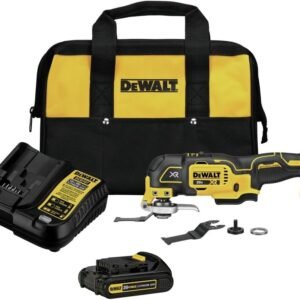
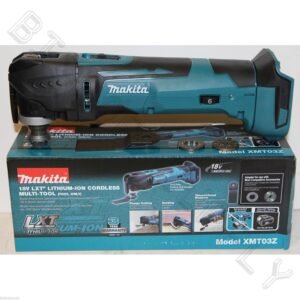
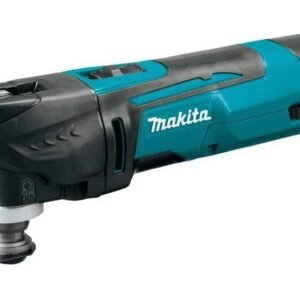
Competition in this segment is heavy, with DeWalt and Makita usually leading on raw power and housing quality. Against those, the P343 competes on price to quality ratio and on integration with the RYOBI ecosystem for anyone who already owns the batteries. It lacks the metal casing of higher-end models but answers with lower weight and easier maneuvering. Brushless rivals such as the DEWALT DCS356B 20V MAX XR multi-tool quote longer runtimes and stronger motors at a higher price, while the Makita 18V LXT cordless multi-tool is the durability-first alternative. For a smaller battery platform, the Milwaukee M12 FUEL oscillating tool is the compact option. For DIYers and semi-professionals, the P343 sits at the intersection of cost, convenience, and adequate performance; for sustained heavy-duty work, the premium brands remain the safer choice.
Value Assessment for This Tool
Weighed against the features listed for the RYOBI oscillating tool and its position in the market, it represents sensible spending for anyone already holding RYOBI batteries. The variable speed dial, compact body, and accessory versatility justify it for home improvement work and light professional use. Outside the RYOBI ecosystem the total cost climbs quickly once batteries, a charger, and accessories are added, which is the calculation that decides whether it makes sense. For the tool price alone, the flexibility and ease of use are solid, particularly for regular use across varied projects. It is a reasonable buy when matched with the right accessories and power sources. This model appears twice in the catalogue, and the second RYOBI P343 listing covers the same tool.
The P343 is built for jobs that demand precision and control in confined spaces. Its slim body and variable speed output make cutting and sanding manageable, and the cordless format removes cords and outlets from the equation. The drawbacks are real but narrow, and for most buyers they are outweighed by the practical benefits packed into a tool this size. Anyone still comparing options can browse the rest of the oscillating tool category.