Description
Ergonomic Design and Comfort in Use
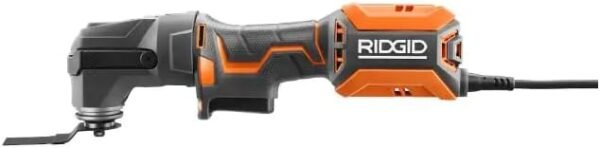
The RIDGID 4 Amp Corded Oscillating Multi-Tool R28700 is built around its grip. The ergonomic design centers on a Hex Grip Micro Texture surface, which RIDGID specifies for control and comfort on the long sessions that wear down the hand. The body profile is narrow enough to work in tight spaces without fighting the tool, and published owner ratings repeatedly describe it as easy to hold for newcomers as well as trade users. That accessibility is worth noting, because oscillating tools are often a first power tool purchase for DIY buyers.
Variable Speed Control with Two-Finger Trigger
The two-finger variable speed trigger is the feature that separates this model from single-speed designs. Rather than the on or off behavior of simpler tools, the trigger meters speed against the task in hand. That range covers delicate sanding at one end and aggressive cutting at the other, which is the practical protection against overheating a blade or burning through a workpiece. Trigger-based speed control is less common than dial control in this category, and it keeps both hands on the tool while adjusting.
Versatility and Included Accessories
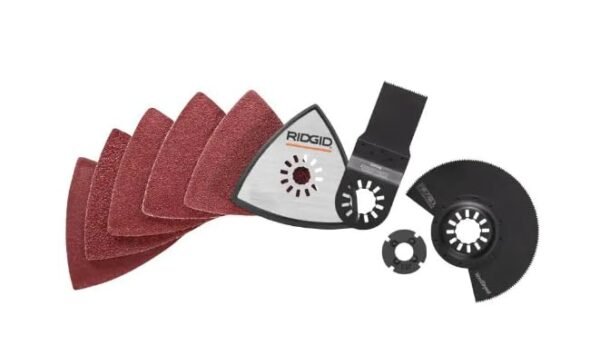
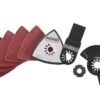
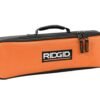
The specification that matters most here is compatibility with most multi-tool accessories. The package includes a segment blade, a 1-1/8 inch wood cutting blade, sanding pad with five sandpaper sheets, and a universal multi-tool adapter. That adapter is what opens the tool up to aftermarket accessories rather than tying buyers to one brand’s consumables. The tool-free accessory change design handles the swaps quickly, which is the difference between one tool covering a job and several tools coming out of the box. Buyers weighing the same versatility across brands can compare the range in the oscillating tool category.
Performance and Oscillation Speed
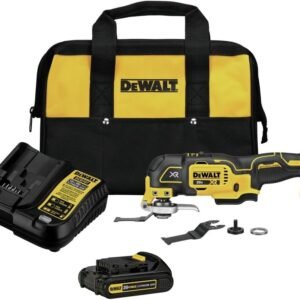
Rated at up to 20,000 oscillations per minute (OPM), this tool sits at the top of the common speed range for the class. That covers cutting through wood and scraping old paint without a change of tool. The corded power source holds output steady rather than tapering as a battery drains, which is the structural advantage corded tools retain over cordless models. The trade-off is mobility, since the cord becomes an obstacle in tight or awkward positions. The 4 Amp motor is a solid figure for a corded multi-tool at this price. Cordless shoppers looking at the same capability should weigh the DEWALT XR cordless oscillating multi-tool.
Downsides and Areas for Improvement
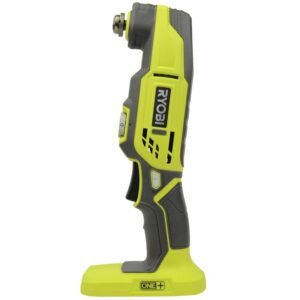
The RIDGID oscillating multi-tool carries its share of limitations. Cord length frustrates users who need mobility, and extension cords become a requirement across a large work area. Listed weight is 4.54 pounds, which is reasonable for a corded tool, but the low-profile design is reported as awkward to grip for people with larger hands, calling for grip adjustments during heavier cuts. The included sanding sheets also wear through faster than owners expect, so extras are worth stocking if sanding features regularly in the work. A lighter cordless option such as the RYOBI P343 oscillating multi-tool solves the cord problem at the cost of steady output.
Competing Brands and How This Multi-Tool Stands Out
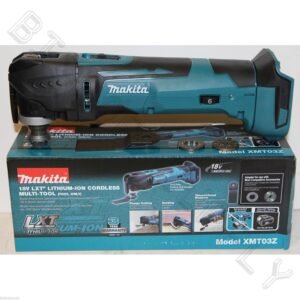
Set against the DeWalt DWE315K or Bosch GOP40-30, some differences are clear. The RIDGID tool-free accessory change is simpler in operation than the twist-lock systems used on several rivals. Bosch specifies a slightly higher oscillation speed and is generally regarded as more durable in harsh conditions, while DeWalt’s model leads on battery-powered convenience for cordless work. Buyers who rank consistent power and accessory versatility highest will find the RIDGID competitive, while those who need cordless freedom or rugged outdoor use should look wider. Makita’s entry in the same fight is covered in the Makita XMT03Z 18V cordless oscillating multi-tool review.
Price Worthiness and Value for Money
Weighing the features, included accessories, and overall build, this multi-tool holds a solid value proposition. It is not the cheapest option on the shelf, but the quality for price ratio is fair given what ships in the box. Buyers get a capable motor, ergonomic design, and a set of essential accessories without an immediate add-on purchase. For hobbyists and professionals alike it works as a reliable everyday tool at a sensible price, particularly for anyone who ranks accessory compatibility and speed control highly. Cordless platform buyers weighing the premium end can compare the Milwaukee M18 oscillating multi-tool.
Positive Features That Make a Difference
- Ergonomic Hex Grip Micro Texture is specified for comfort and reduced hand fatigue.
- Two-finger variable speed trigger allows precise speed adjustments for varied applications.
- Tool-free accessory change makes swapping blades quick and hassle-free.
Flaws and Drawbacks to Keep in Mind
- Cord length can limit mobility and require extension cords for larger projects.
- Sandpaper sheets included wear out quickly, leading to extra purchases.
- The low-profile design may feel awkward for users with larger hands during extended use.