
Description
Highlights of the DEWALT Rotary Saw DW660
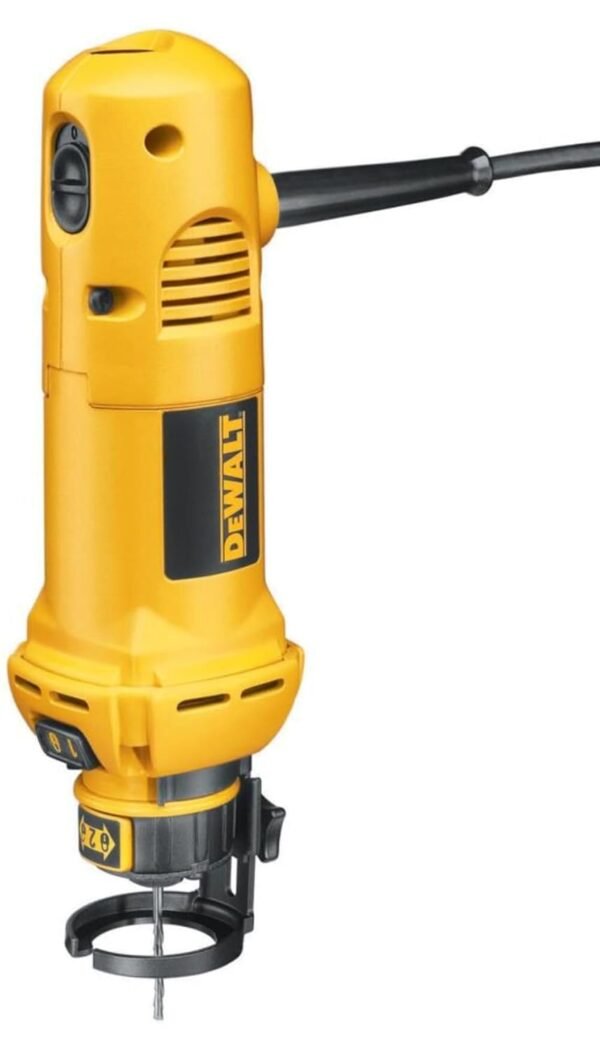
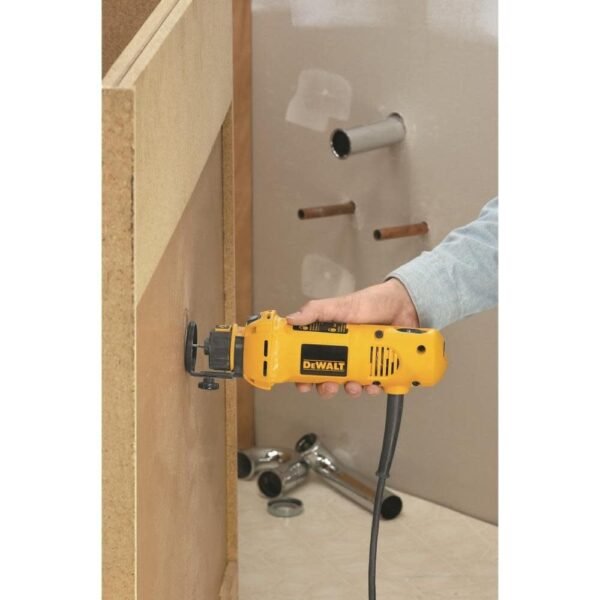
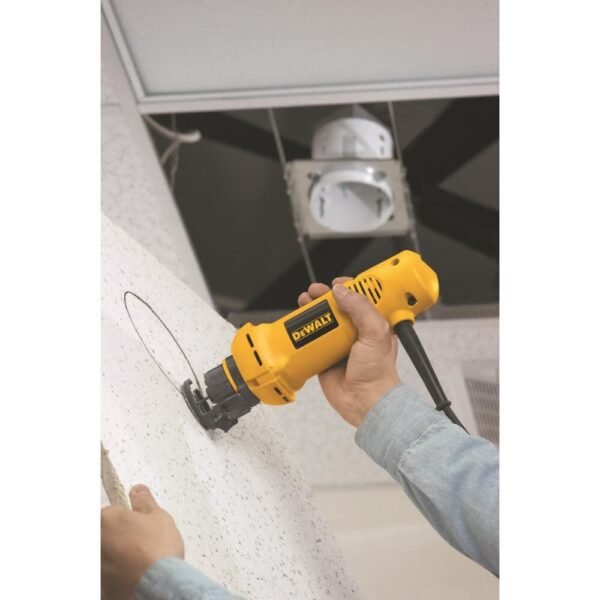
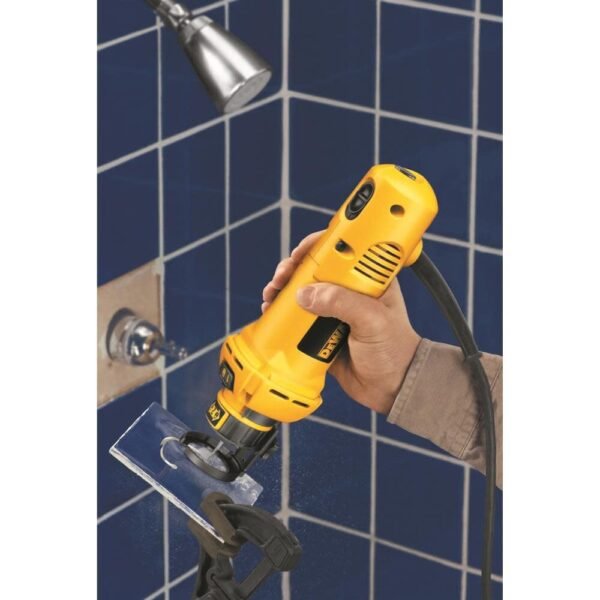
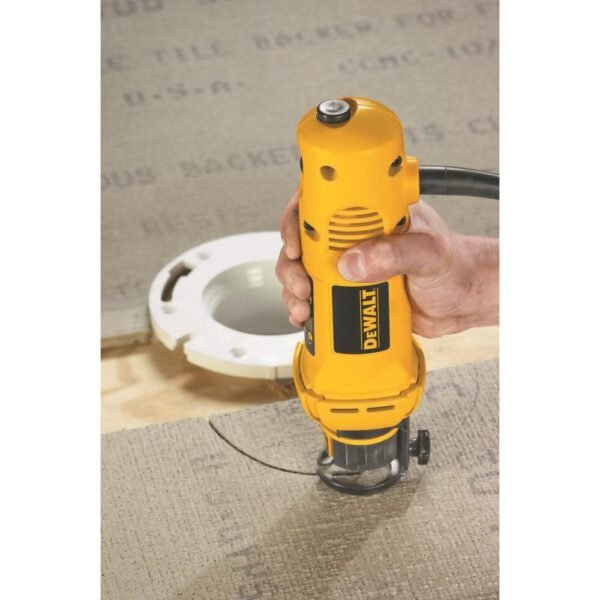
The DEWALT Rotary Saw with 1/8-Inch and 1/4-Inch Collets, 5-Amp, Corded (DW660) reads like a tool specified for trade use rather than occasional craft work. The 5-amp motor running at 30,000 rpm is a high figure for a cutout tool of this size, and it is the number that supports the listed material range: drywall, plywood, and harder stock such as ceramic tile and solid birch. The tool-free bit change system removes the wrench from the workflow, which matters on jobs that alternate bit sizes repeatedly. The bump-off switch is a shutdown detail aimed at one-handed work, letting the tool be killed without hunting for a slider. The slim body design is the other half of that argument, since a narrow barrel is easier to choke up on during long overhead runs.
- Powerful 5-amp motor delivers impressive cutting speed and efficiency
- Tool-free bit changes simplify workflow and reduce downtime
- Bump-off switch enhances ease of use and safety
Drawbacks to Consider
The specification carries real trade-offs. The corded design ties the tool to an outlet, which is a limit on larger sites and in awkward spaces where a cord run is its own job. The weight, around 3.5 pounds, is meaningful for a one-handed precision tool and sits above the cordless rotary tools it competes with on fine work. Dust is only partly addressed: the switch is sealed, but buyer feedback on drywall use repeatedly mentions debris working into crevices, so regular cleaning belongs in the maintenance routine. The depth adjustment is tool-free but not self-explanatory, and it is the control most often described as needing a few attempts before the mechanism makes sense. The supplied 1/8 and 1/4 inch collets also cap bit compatibility, so larger shank sizes have to be sourced separately.
- Cord limits freedom of movement on bigger projects
- Weight can cause fatigue during fine-detail work
- Dust infiltration requires vigilance despite the sealed switch
- Depth adjustment mechanism takes some getting used to
Ergonomic Design for Prolonged Use
The slim and ergonomic body shape is the clearest design decision here. Bulkier cutout tools force a wider grip; this profile sits closer to a large marker in the palm. The 10-inch length and balanced weight distribution are what give control during plunge cuts and lateral slicing, since the mass sits between the hands rather than out at the nose. Drywall installers are the target buyer for that geometry, and the feedback that follows the tool tends to focus on vibration and grip comfort during repeated box cutouts. The rubberized cord and internal clamp address a different failure mode: cords pulled loose at the housing or chewed up on rough decking.
Versatility Across Materials
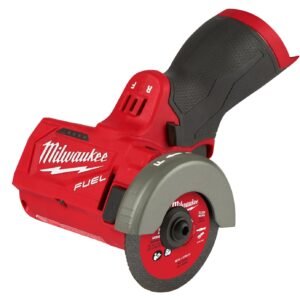
The listing does not confine this tool to drywall. Acoustical ceiling tile, cement board, Plexiglas, and countertops all appear in the stated material range, which is broad for a 5-amp cutout unit. The jam pot construction is the durability claim behind that range, aimed at the knocks a tool takes in a busy workshop. Spiral bits are specified for both plunge and sideways cuts, which is what allows a single bit to follow an outline rather than requiring a new entry point at each corner. On tile the sensible framing is small cutouts and patches, not a substitute for a dedicated tile saw. Electricians, carpenters, and serious DIY users are the audiences that range points at, and buyers wanting a compact metal cutter instead should look at the Milwaukee 2522-20 cordless cut-off tool, which is built around a cutting wheel rather than a collet.
Price Performance: Is It Worth It?
Set against the 5-amp motor, tool-free bit changes, and durable build, this rotary saw is priced as a working tool rather than a bargain buy. The price-to-quality ratio holds up for anyone whose week includes repeated cutouts, because the material range and the bit change speed both convert directly into time. Occasional users are the group most likely to find the cord restrictive, and cheaper options exist for a handful of holes per year. Frequent drywall and tile work is where the spend makes sense. The included 1/8 and 1/4-inch collets and bits mean it is usable out of the box, which is not true of every tool in our rotary tool category, where bare-tool listings are common.
Product Comparisons with Other Rotary Tools
Against rotary cutout tools from Fein and Bosch, the DEWALT argument is motor power and speed. Fein units are known for precision and quieter running but do not claim the same raw cutting output. Bosch leans cordless, which wins on portability and gives up the steady draw a corded 5-amp motor provides. The dust-sealed switch and jam pot construction are the DEWALT features aimed at tool life in dusty environments. Competitors counter with more collet sizes and grip refinements for fine detail work. For heavy cutting and site durability the DW660 is a reasonable pick; for cord-free work the closer comparison is the 20V MAX XR DCE555B drywall cut-out tool, and for small-scale detail work the Milwaukee 2460-20 cordless rotary tool is the lighter option.
Benefits of the Tool-Free Bit Change System
The tool-free bit change is the feature that shapes how the tool is used day to day. Swapping between the 1/8-inch drywall bit and the 1/4-inch general-purpose bit takes seconds and no separate wrench, which changes the calculation on whether a job is worth switching bits for at all. That matters most when alternating between full drywall sheets and smaller detail cuts in plywood or tile. The spindle lock is the second half of the system, holding the shaft while the collet is tightened so bits seat without slipping under load. Older rotary tools that require a pair of wrenches are slower by comparison, and among kitted alternatives the Dremel 4300 rotary tool kit takes a similar keyless approach with its EZ Change nose.
Areas for Improvement in the Dust Management
The sealed switch keeps dust out of the electrical path, but it does not stop dust building up around the motor housing and vents during repeated drywall work. Maintenance is therefore part of ownership rather than optional. A dedicated extraction port or documented compatibility with a vacuum attachment would raise the tool’s standing on dusty sites, and its absence is the most commonly raised gap in the design. The depth adjustment, while tool-free, could also be more robust: it is the control users report shifting slightly during aggressive cuts. Firmer detents or a positive lock would help anyone cutting to an exact depth for electrical boxes or plumbing access points.
The DW660 is a focused design: power, a slim body, and quick bit changes, with the trade-offs stated in the same spec sheet. Corded operation and manual dust cleaning are the costs of that focus. For regular drywall, tile, or plywood cutouts the specification supports the job; lighter or occasional work is easier with a cordless tool.