Description
Powerful Performance with the DEWALT ATOMIC 20V MAX Brushless Cordless Ratchet
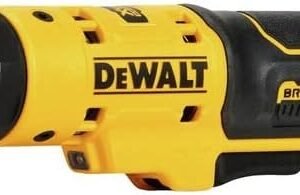
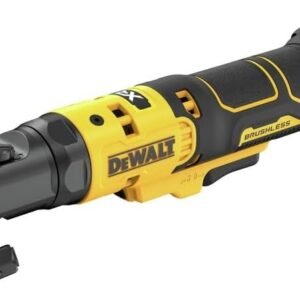
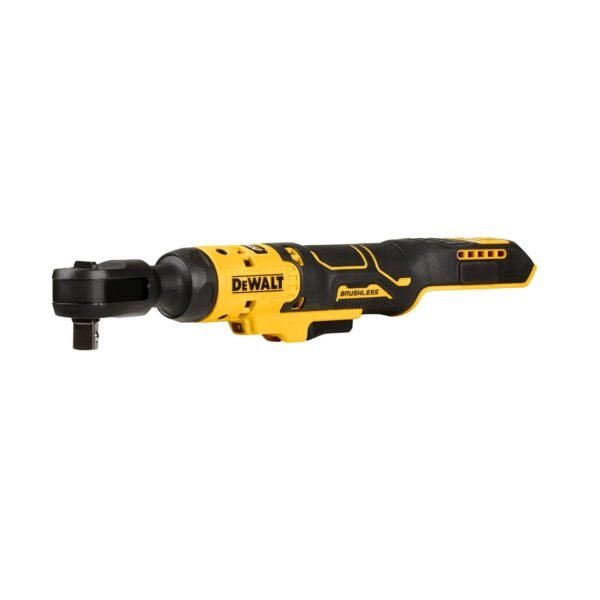
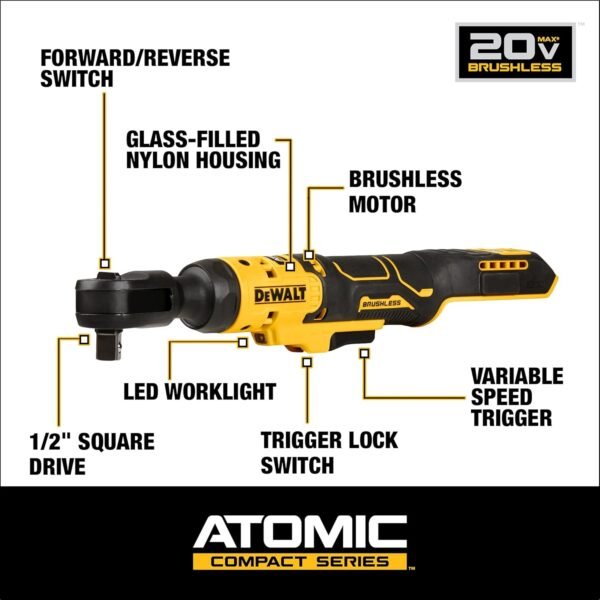
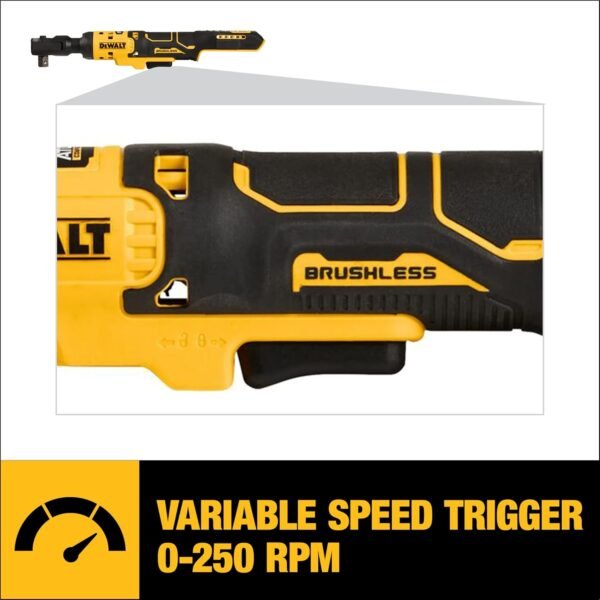
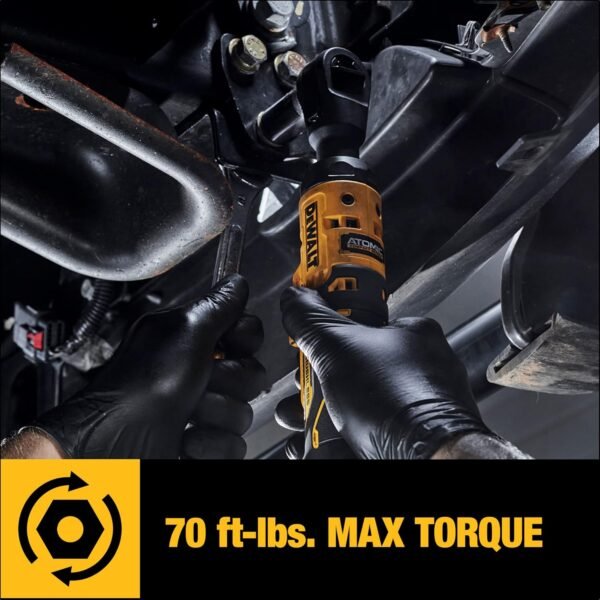
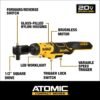
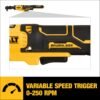
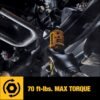
The DEWALT ATOMIC 20V MAX Brushless Cordless Ratchet, 1/2 Inch, Bare Tool Only (DCF512B) is specified for the heavier end of ratchet work. Its brushless motor is rated to 70 ft-lbs of torque, which is high for a powered ratchet and is what justifies the 1/2″ drive: there is enough output behind the anvil to make the larger socket size worth having. The variable speed trigger is the control that makes that output usable, since 70 ft-lbs applied bluntly will round a fastener as easily as it will free one. The body is built low profile so the tool can be positioned in the confined spaces where automotive and machinery fasteners actually live.
Highlights: Where This Model Is Strong
Several specifications on this listing do practical work rather than filling out a feature list:
- Glass-filled nylon housing resists the oils and solvents that make ordinary plastic housings brittle.
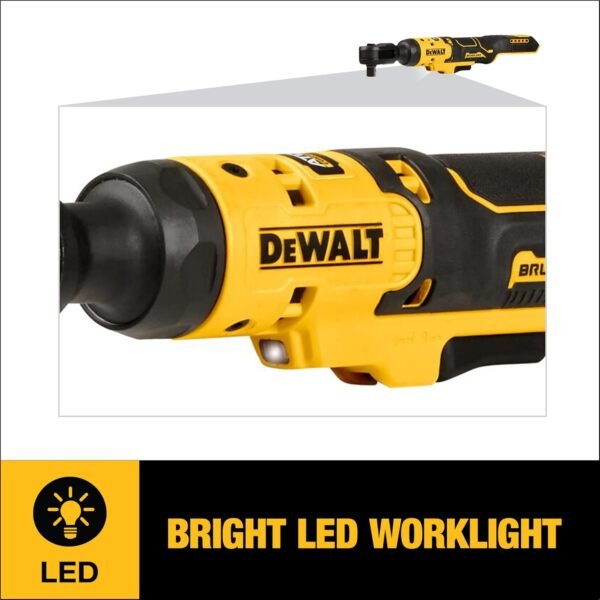
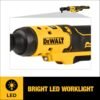
- An onboard LED work light illuminates the fastener directly, which matters because ratchets are used where a torque wrench cannot be swung and a flashlight cannot be held.
- Compatibility with the full DEWALT 20V MAX battery system, one of the most widely held platforms available.
- A trigger lock that prevents accidental startup in transport or storage.
Together those make the tool practical for daily workshop and jobsite use rather than powerful on paper alone.
Drawbacks: Considerations Before You Buy
One point in the listing does not hold together and is worth resolving before ordering. The tool is described as compact and low profile in several places, while the same data gives an overall length of 15.79 inches, which is longer than most cordless ratchets and is separately flagged as unwieldy in the tightest work. Those two descriptions pull in opposite directions. The head is genuinely low profile, but the body is not short, so measure your worst access point against the full length rather than trusting the word compact.
- Sold as a bare unit, with battery and charger not included, adding cost outside the 20V MAX platform.
- At 2.6 pounds it is heavier than most 3/8″ ratchets, and the arm carries that in overhead work.
- The flat head style fixes the approach angle, with no articulation for awkward fasteners.
- The 15.79-inch overall length limits it in the narrowest cavities, where a hand ratchet still wins.
Versatility and Usability in Everyday Work
The application range follows from the drive size: automotive repair, suspension and exhaust fasteners, and general construction work where a 1/2″ socket is the right tool. Variable speed control is what lets one tool cover delicate fittings and heavy fastening rather than forcing a choice between them. The LED earns its keep under vehicles and in engine bay corners. Cordless operation removes the hose and cable, and shared 20V MAX packs mean the battery on the drill also runs the ratchet. Owner feedback on this model returns consistently to two points: the torque satisfies, and the weight is noticed.
Product Competitors: How It Stacks Up Against Rivals
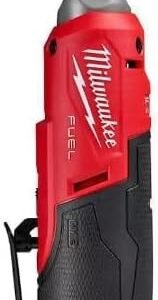
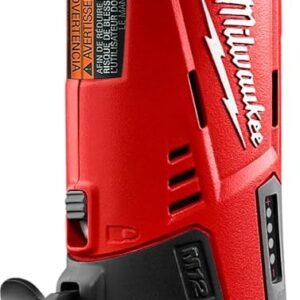
Against Milwaukee’s M12 FUEL ratchets and Makita’s 18V range, the DEWALT leads on output. 70 ft-lbs exceeds most cordless ratchets, and the glass-filled nylon housing is a stronger chemical resistance specification than the plain plastic shells used by several competitors. Milwaukee’s M12 tools are lighter and physically smaller, which is decisive in genuinely cramped work; the M12 FUEL 1/4″ high speed ratchet shows how far that trade can be pushed. For a direct 1/2″ drive comparison on a smaller platform, the Milwaukee M12 FUEL 1/2″ ratchet is the tool to price against this one. Makita more often bundles batteries, which lowers the entry cost for buyers starting fresh.
Price Performance: Is It Worth Investing In?
The bare tool price is only part of the cost for anyone outside the platform, since batteries and a charger have to be added before the tool turns a fastener. What the price buys is a brushless motor, a chemically resistant housing, an LED, and a trigger lock, which is a denser feature set than budget cordless ratchets offer at any drive size. Cheaper tools in this category typically drop the brushless motor first and the housing material second, and both omissions show up within a year in a working garage. For an existing 20V MAX owner the tool slots straight in at bare tool cost, and the alternatives are collected across our cordless ratchet wrench reviews.
Ergonomics and Design: Comfort Meets Functionality
The grip is textured to stay controllable with oil or sweat on the hands, which is the normal condition rather than the exception. The low-profile head is what gets the drive onto recessed fasteners, and it is the part of the design that genuinely earns the compact description. Length and weight together are what buyers moving up from a hand ratchet notice first. The yellow housing is easy to find in a crowded box, and the brushed finish on the head resists scratching in use.
Safety and Convenience Features
The trigger lock is a small specification with real consequences, since a powered ratchet that starts in a toolbox or against a leg is a genuine hazard. Battery operation removes cord clutter, which on a jobsite is a tripping risk as much as an inconvenience. The variable speed trigger serves battery life as well as control, because running at the lowest speed the job needs draws less current per fastener. Buyers who want both 3/8″ and 1/2″ drives from one body should also compare the DCF510B with its interchangeable sealed head, and those who only need 3/8″ will find the ATOMIC DCF513B covers the same platform in a smaller drive.
Taken as a whole, the DCF512B is a high torque cordless ratchet with a sensible feature set and two honest costs: it needs a battery you may not own, and it is longer and heavier than the word compact suggests. Against competitors it leads on power and housing durability and trails on size and immediate readiness. For fastening work that regularly defeats lighter tools, it is a strong option.