





Description
Published Specs for the Coleman 1900 Collection 200 Lumens Lantern
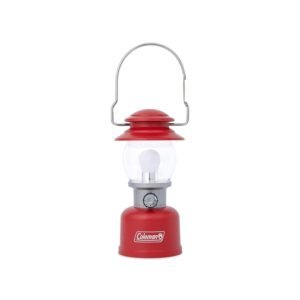
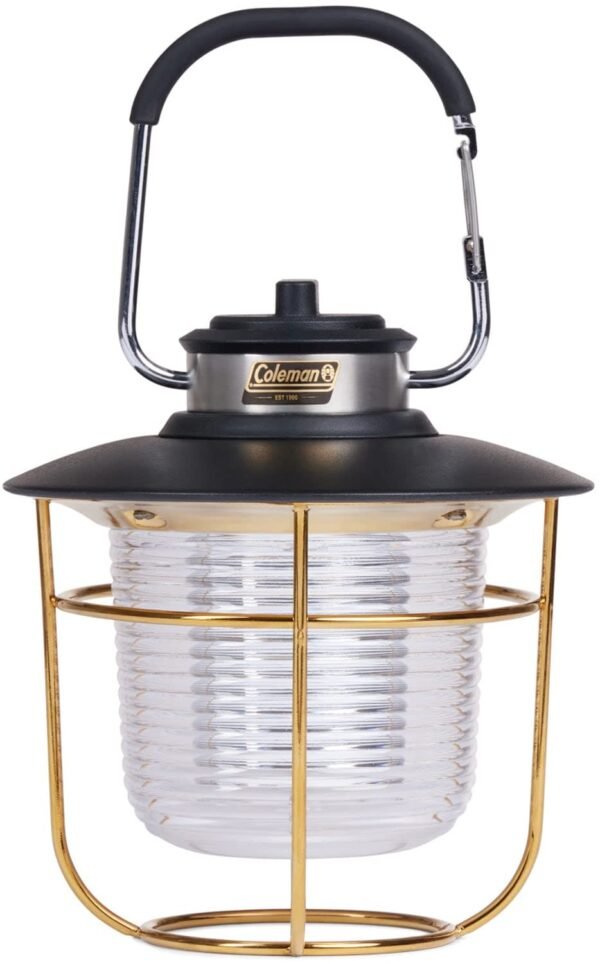
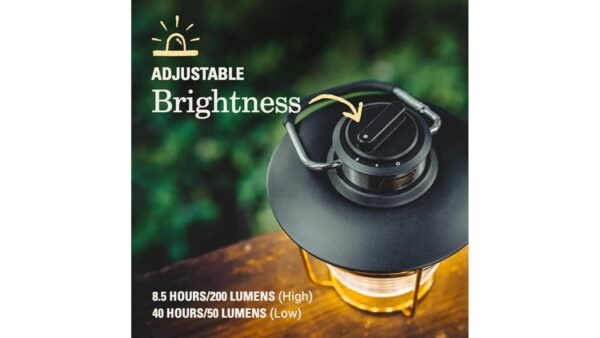
The Coleman 1900 Collection 200 Lumens Premium LED Lantern is specified around a metal body, IPX4 water resistance and two output levels: 200 lumens on high and 50 lumens on low. That spread is the practical point of the design. Two hundred lumens is enough to work by inside a tent or light a picnic table; fifty lumens is a level a person can sit next to for hours without glare, and it is the setting that stretches a set of cells. Listed dimensions are about 6.95 x 4.81 x 9.13 inches, which is a tabletop lantern rather than a pack-weight one, and the included carabiner handle with a soft grip gives the second mounting method: hang it from a tent loop or a branch and the light spreads instead of pooling. Comparable output levels across the range are visible in the electric lantern listings.
- Two output levels, 200 lumens and 50 lumens, for work light and ambient use
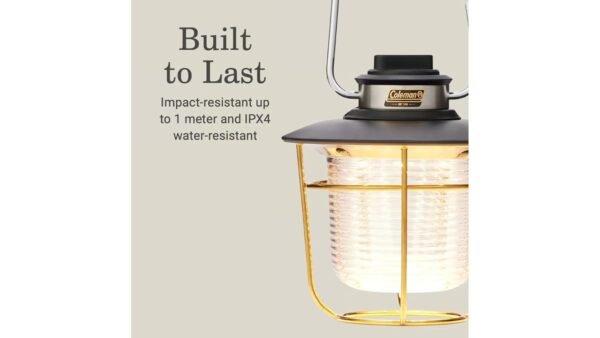
- IPX4 rating and a powder-coated metal body for outdoor conditions
- Carabiner handle allowing hanging or tabletop placement
Limitations in the Specification
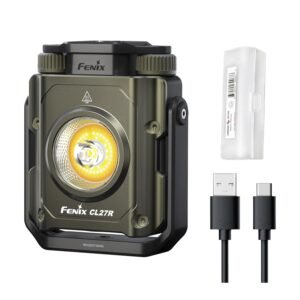
The power source is the main constraint. The lantern runs on 4 AA cells with a stated 8.5 hours on high, so a multi-night trip means carrying spares, and there is no USB charging option at all. Output is also modest by current standards: 200 lumens lights a small area well and a large one poorly, and buyers sizing a lantern for a group site are looking at the wrong end of the range. The metal body that makes it durable also makes it heavier than plastic rivals of similar output, which matters more in a pack than on a table. For a rechargeable alternative with several times the output, the USB-C rechargeable Fenix CL27R is the obvious comparison.
- Requires 4 AA cells and offers no rechargeable option
- 8.5 hours on high means spares on longer trips
- 200 lumens is limited for lighting a large area or a group
Design and Materials
The design leans on Coleman’s older lantern shapes, and the powder-coated metal body is the part that justifies the styling: it resists scratches and knocks better than the molded plastic used at this price, and it is the reason the lantern survives being thrown in a truck bed between trips. The tabletop base sits flat on uneven ground, and the switching is a simple control between the two levels rather than a menu, which is the right choice for a device operated in the dark.
One specification needs checking. The listing gives a medium E26 bulb base alongside a fixed LED light source, and those two descriptions imply different products: one with a replaceable bulb and one sealed for life. Confirm against the Coleman product sheet before assuming the light source can be changed, because it determines whether the lantern is serviceable or disposable at end of life.
Weather and Output in Use
The IPX4 rating covers splashing water from any direction, which in practice means rain and spray rather than immersion. A lantern left out in a downpour is within its rating; one dropped in a creek is not. The LED source produces a steady output with no warm-up and no filament to shake loose, and running on the low setting is where the 4 AA cells last longest. During a power outage at home the 200 lumen setting covers a small room adequately and a large one only partly, which is a realistic expectation to set for any lantern in this output class.
Price Against Specification
The price sits in the middle of the camping lantern range and buys durability rather than output or run time. Against cheaper plastic lanterns the metal body and IPX4 rating are the difference; against pricier rechargeable models the gap is brightness, recharging and run time. The listed 3-year limited warranty is a longer term than most lanterns at this price carry. Buyers who want the same brand with far longer run times can look at the Coleman Classic 500 lumen lantern on D cells, which trades size for endurance.
How It Compares
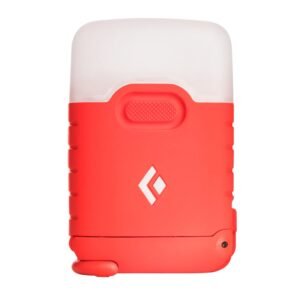
Against rechargeable lanterns with USB input, the 1900 Collection is deliberately old-fashioned, and the AA supply is a genuine advantage exactly once: when the trip runs longer than planned and there is no power to be had, cells can be bought anywhere. Against lightweight climbing lanterns such as the Black Diamond Zip on two AAA cells, this one is heavier and brighter and built for a table rather than a pack. Against a flame lantern like the UCO Candlelier candle lantern, the trade is electric convenience and no fire risk against a light source that needs no batteries at all.
Where It Fits
The specification suits car camping, back yards, garages and outage kits: places where the lantern is set down and left on, and where its size and weight cost nothing. The hanging option distributes light better than a tabletop position in a tent, and the low setting is what keeps a set of cells alive across several evenings. The battery power source is the reason it also works as a stored emergency light, since there is nothing to keep charged between uses, only cells to check.
Areas for Improvement
- No middle output level between 200 and 50 lumens
- Heavier than plastic lanterns of comparable output
- No rechargeable option in a range moving toward USB charging
- The E26 bulb base and fixed LED descriptions need reconciling
On published specification, this is a durable, straightforward lantern with two useful output levels, a weather rating that covers rain, and a battery format that can be replaced anywhere. What it does not offer is high output, long run time on high, or a way to recharge, and those three points decide whether the metal body is worth its weight.