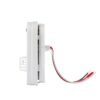
Description
Benefits of the Kidde Heat Detector for Home Safety
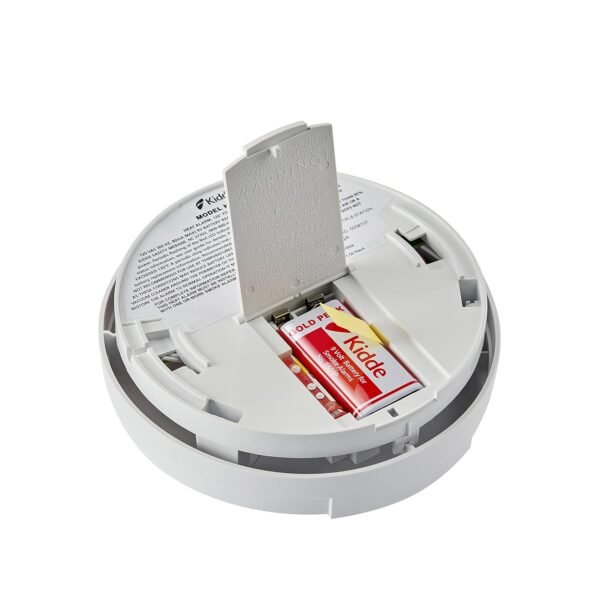
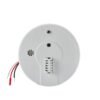
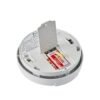
The Kidde Heat Detector, Hardwired with Battery Backup and 2 LEDs, Interconnect Capability, model HD135F is a fixed temperature device rather than a smoke alarm, and that distinction drives everything else in the specification. It responds to a temperature rise above 135 degrees Fahrenheit instead of to airborne particles, which is why it is specified for garages, attics, kitchens and workshops where steam, dust or exhaust routinely trip particle sensors. Published alarm output is 85 decibels. Power comes from a 120V connection with a 9-Volt battery backup, so the unit is specified to keep operating through a mains outage.
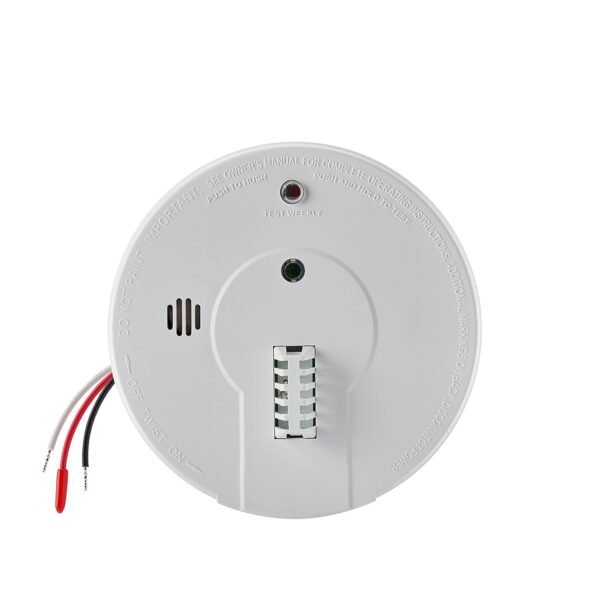
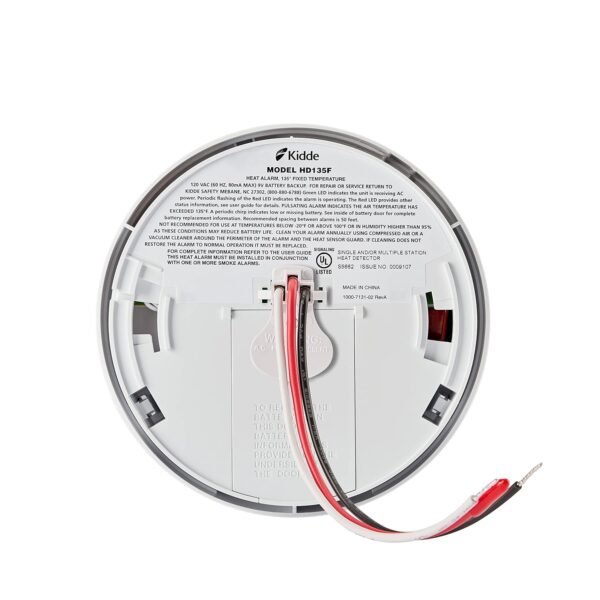
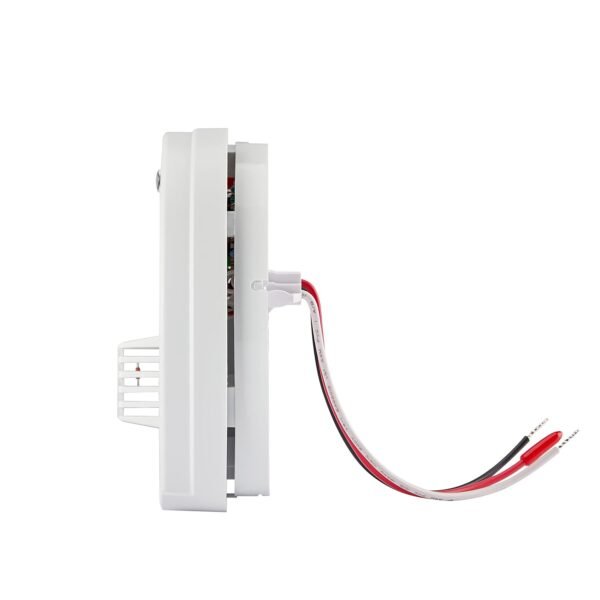
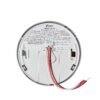
Wiring uses a quick-connect power harness, which shortens the connection step for anyone already comfortable with hardwired devices. Two LED indicators report state: a green LED confirms continuous AC power, and a red LED flashes every 30 to 40 seconds to show the unit is running its normal cycle. Those indicators are the only routine feedback the device gives, which is worth knowing before it is mounted somewhere out of sight.
Positive Features That Stood Out
- Interconnect capability with up to 24 Kidde devices, allowing heat, smoke and CO alarms to share one signaling loop across rooms.
- A tamper resistant pin that makes casual removal of the unit harder.
- A test and hush button for verifying operation and for temporarily silencing a nuisance alarm.
- The unit is UL Certified and carries a 5 year limited warranty.
Drawbacks to Consider Before Buying
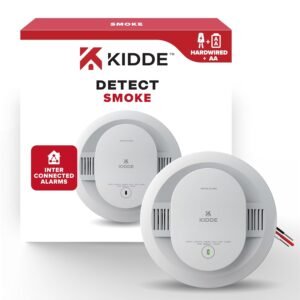
The most important limit is inherent to the category and is stated in the listing itself. Because sensing is strictly temperature based, this device does not detect smoke, carbon monoxide or any other gas. It is designed to sit alongside smoke and CO alarms, not in place of them, and it does not satisfy a smoke alarm requirement that local building code places on a bedroom, hallway or living space. A layered arrangement usually pairs it with a unit like the Kidde KN-COSM-IBA combination smoke and CO alarm on the living side of the house.
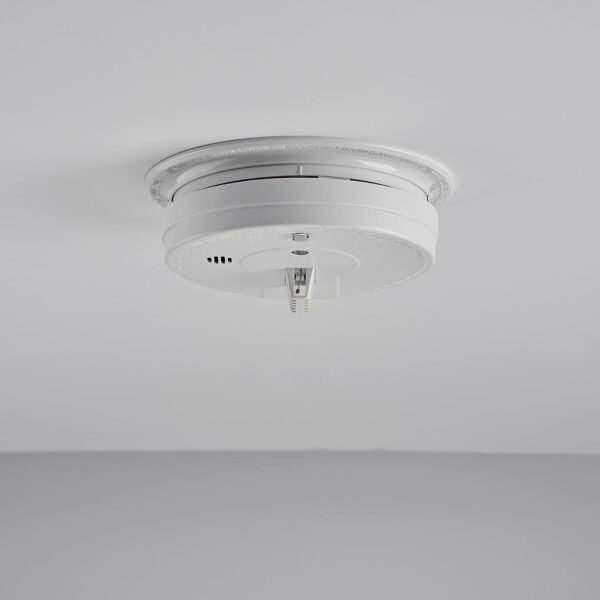
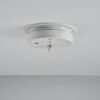
The 85 decibel horn is loud in a quiet room by design, and the 4 inch diameter by 2 inch deep housing is bulkier than most slimline smoke alarms, so it reads as a visible fixture on a ceiling. Installation also requires wiring knowledge, and where that is missing the cost of a licensed electrician has to be added to the purchase price.
What the Detector Responds To
The practical case for a fixed temperature unit is what it ignores. Sawdust from woodworking, vehicle exhaust and cooking smoke do not raise ambient temperature past 135 degrees Fahrenheit, so a heat detector stays silent in conditions that cause repeated nuisance alarms on particle sensing units. The trade is response profile: a heat detector will not signal an early smoldering fire that produces smoke long before it produces heat, which is precisely what a photoelectric unit is built for. Combination photoelectric and thermal designs such as the System Sensor 2WT-B photoelectric and thermal detector take the other approach and put both sensing methods in one head.
On the interconnect side, the published limit is up to 24 devices in total with a maximum of 18 initiating devices on one loop, which is the standard limit applied to residential interconnected systems rather than a Kidde restriction. Larger properties reach that ceiling and need the system split or designed by someone qualified to do it.
Price to Quality Ratio and Value Assessment
Measured against other hardwired heat alarms, the specification sheet is competitive: battery backup, interconnect terminal, quick-connect harness, tamper pin and a 5 year warranty at a price that sits below units adding smoke or CO sensing. Budget heat alarms commonly drop the battery backup, the interconnect terminal or both, and both omissions change what the device can do during an outage or across a multi room layout.
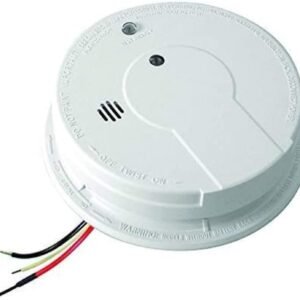
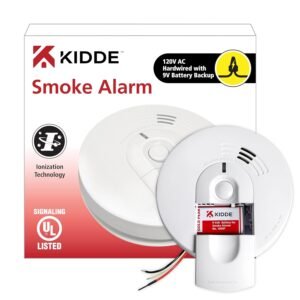
Where the layered approach is the goal, the running cost is the whole set rather than this one head. Pairing a heat detector with hardwired smoke alarms such as the Kidde i12060A hardwired smoke alarm is the usual pattern, and the included 9-Volt cell keeps one small cost out of the first install.
Areas for Improvement to Watch Out For
- The housing is plain and fairly deep, which is noticeable in rooms where ceiling fixtures are chosen for appearance.
- Documentation is terse for a hardwired device; the wiring step is where most of the difficulty sits.
- The hush period is fixed, with no sensitivity adjustment for awkward environments.
- The red status LED flashing pattern is easy to misread as a fault, since it flashes on a normal cycle as well.
Product Comparisons: How This Heat Detector Stacks Up
Against other hardwired heat alarms, and against the particle sensing units that fill most of the smoke detector and fire alarm category, the HD135F leads on interconnect breadth and on the quick-connect harness, which several competing heat alarms omit in favor of loose leads. The ability to share a loop with Kidde smoke and CO devices is the practical advantage, since it removes the need for a separate signaling scheme or a proprietary hub. Where a wired loop is being extended to auxiliary equipment, the Kidde SM120X interconnect relay module is the accessory that carries the signal onward.
Rival products counter with slimmer housings and with multi sensor heads that combine heat with smoke or CO in one device. For a buyer who specifically wants dedicated heat sensing with mains power and battery backup, this unit is on target. For a buyer who wants one head to cover several hazards, a combination alarm is the better structure.
Specification Points That Define This Heat Detector
- Dual power: 120V mains with 9V battery backup for continued operation during an outage.
- Quick-connect harness shortens the wiring step for a competent installer.
- Interconnects with up to 24 devices, 18 of them initiating.
- UL Certified with a 5 year limited warranty.
- Tamper resistant pin discourages casual removal.
Caveats That Might Influence Your Decision
- The deeper housing is more visible than a slimline smoke alarm.
- Requires wiring knowledge or a licensed electrician, and must follow local code.
- Alarm output is loud at close range, which matters for placement near sleeping areas.
- Heat sensing only; smoke and CO coverage must come from separate devices.
What the HD135F does is signal a rapid or sustained temperature rise past its 135 degree threshold and pass that signal to every device on its interconnect loop. That fills a gap smoke alarms handle badly, in garages, attics and workshops, and it is a complement to a code compliant alarm layout rather than a replacement for one. The device is a component in a system that a local code and a qualified installer should define.