
Description
Positive Features of the Kidde Smoke Detector i12060A
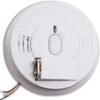
The Kidde Smoke Detector, Hardwired Smoke Alarm with Battery Backup is a conventional ceiling alarm built around ionization sensing technology. Ionization sensing reacts to the small, largely invisible particles produced by flaming fires, which is why it tends to signal those faster than a photoelectric alarm, while photoelectric sensing responds earlier to slow smouldering fires. The 85-decibel alarm is the published output figure for the unit.
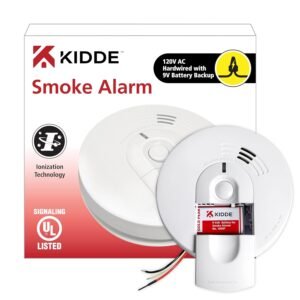
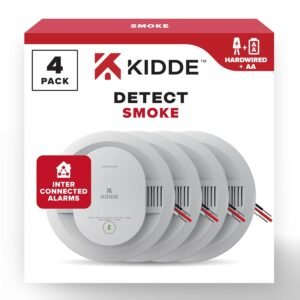
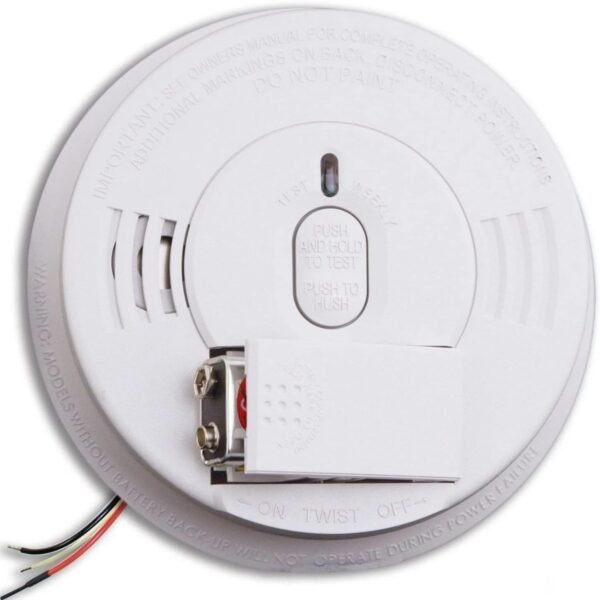
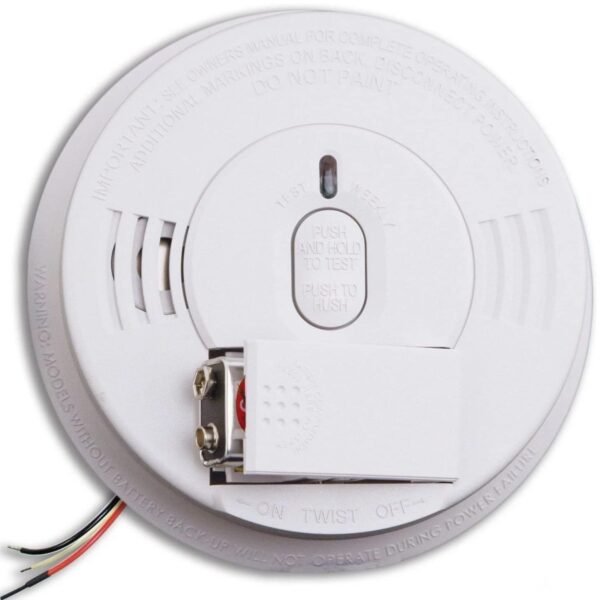
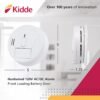
Installation is designed around retrofit work. The pre-stripped wiring harness and easy-off cap cut down the fiddling at the ceiling box, and the front-load battery door means the 9V battery backup can be swapped without taking the alarm off its bracket. Kidde lists the unit as interconnectable with up to 24 Kidde devices, covering smoke, CO, and heat alarms, so a wired loop can mix alarm types across a larger or multi level house.
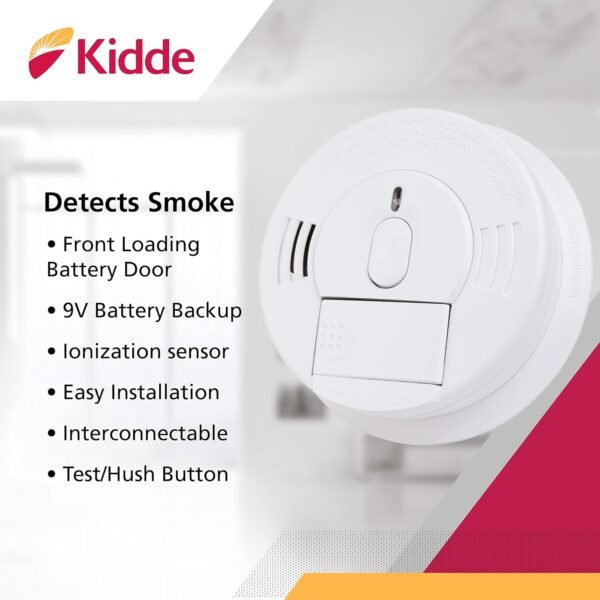
- Ionization sensor detects flaming fires sooner
- Loud 85-decibel alarm ensures prompt alert
- Front-load battery door for easy replacement
- Interconnectable up to 24 devices across a wired loop
Shortcomings to Keep in Mind
There are real drawbacks. The reliance on ionization sensing means the alarm is slower on smoky, smouldering fires than a photoelectric unit would be. Kidde itself recommends pairing this alarm with a photoelectric device for broader coverage, which turns a single purchase into two: this unit plus something like a sealed photoelectric alarm in the rooms where smouldering fires are likelier.
The alarm memory feature, which shows whether the unit has sounded since it was last reset, is useful but not self explanatory to everyone who lives with it. The test-silence button serves double duty, so a long press where a short one was intended puts the alarm into hush rather than test. And because the model is hardwired, installation in a house with no existing alarm wiring is electrical work that should follow local code and may need an electrician.
- Ionization sensor less effective for smouldering fires
- Test-silence button doubles as the hush control
- Alarm memory indicator not very intuitive
- Hardwired setup may need professional installation
Design and Usability Insights
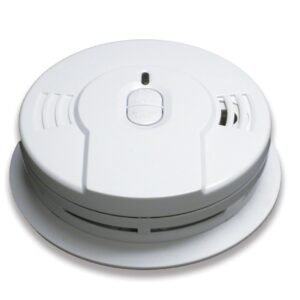
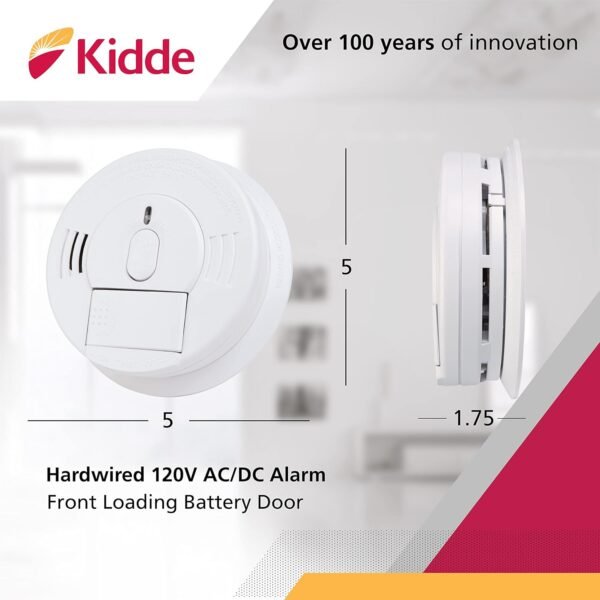
The white, compact design, measuring 1.75″ deep by 5″ wide and tall, is standard ceiling alarm size and finish. The LED indicators are color-coded: red flashes every 40 seconds in standby to confirm the unit is powered and operating, green confirms AC power is present, and alarm and hush states each have their own signal. The result is a status readable at a glance from the floor.
The test-hush button sits on the front face, which is what makes it usable on a ceiling unit without a ladder trip every time. Kidde gives roughly seven minutes of hush, enough to clear cooking smoke or bathroom steam without pulling the battery or cutting power, and that matters because a disabled alarm is the outcome nuisance alerts most often produce. The tamper-resistant feature resists casual removal, which is relevant in rentals and in homes with children.
Performance Under Various Conditions
The battery backup is the answer to the obvious weakness of any hardwired alarm, keeping the unit operating when AC power is lost. On published specification the alarm continues on the 9V cell alone, which is why the front-load door and the low battery chirp both matter more on a hardwired model than they first appear.
Kidde rates the alarm for humidity levels between 5% and 95% and temperatures up to 100 degrees Fahrenheit, a range that covers most interior locations including kitchens and basements. Very dusty or very humid spots are still the classic sources of nuisance alarms, and garages in particular are usually handled with a heat alarm such as the HD135F wired into the same loop rather than with a smoke unit.
Value Proposition and Price Worthiness
Judged on features, the device sits mid pack among hardwired smoke alarms. It is not the cheapest option, but hardwired power with a 9V battery backup plus a 24 device interconnect limit is a specification most budget alarms do not reach.
Against entry level alarms, the build and feature set explain the price gap. The five-year limited warranty is shorter than the ten year cover on Kidde’s sealed battery models, and the listing names UL217, NFPA72, and California State Fire Marshal compliance. Buyers upgrading a whole house often price this against the i12040 hardwired alarm, which sits in the same wired family.
Alternative Offerings and Competitors
Set against alarms such as the First Alert Onelink or Nest Protect, this Kidde competes on fundamentals rather than features. Nest Protect adds smart home integration and voice alerts; the Kidde’s ionization sensor answers fast flaming fires sooner. First Alert’s hardwired 9120B is the closest direct rival on wiring, backup and price, and the two are frequently cross shopped.
The stronger card here is interconnectivity with up to 24 devices, a higher ceiling than many competitors publish. What it lacks is any smart functionality: no phone alerts, no app, no remote status. For a traditional hardwired system that is not a defect, and the rest of our smoke detector and fire alarm reviews show how wide the price spread is once app features enter the picture.
Installation and Everyday Handling
The retrofit hardware is the part of this alarm that gets consistent praise in owner ratings. The pre-wired harness and easy-off cap reduce the time spent on a ladder with the ceiling box open, which is the fiddliest stage of a hardwired swap. Where a house already has alarm wiring, replacing an older Kidde unit is largely a matter of matching the connector and mounting the new base.
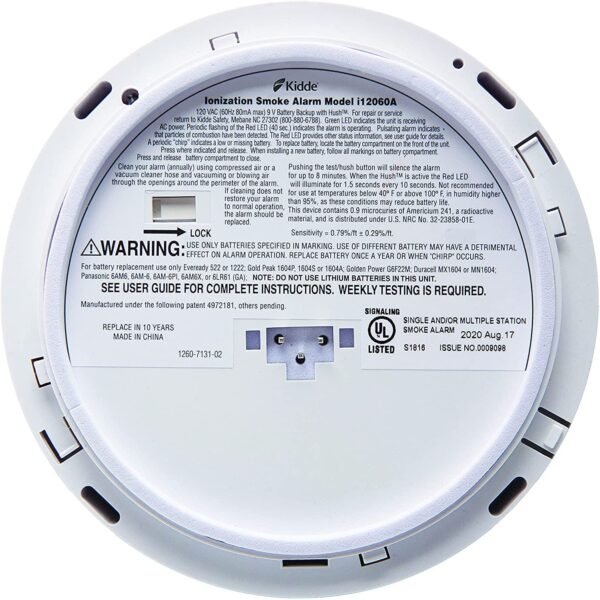
The hush button is the feature that decides whether an alarm near a kitchen stays on the ceiling. It silences a nuisance alert temporarily without disabling detection, and the unit returns to normal operation on its own. Weekly testing remains the manufacturer’s instruction regardless, and the alarm should be replaced at the interval printed on the housing.
Downsides to Watch Out For
- Installation may require professional help for some users
- Ionization technology needs pairing with photoelectric alarms for broader coverage
- Battery door, while convenient, needs to be latched properly after a change
- No smart connectivity or remote alerts, which some competitors offer
This is a plain, wired smoke alarm for buyers who want hardwired fire detection without apps or subscriptions. It answers flaming fires quickly and gives useful practical features in easy battery replacement and a wide interconnect limit. Anyone who wants phone notifications has better options elsewhere, but as a traditional hardwired alarm this unit covers the specification most buyers shop for.