Description
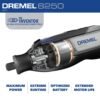
Highlights of the Brushless Motor Technology
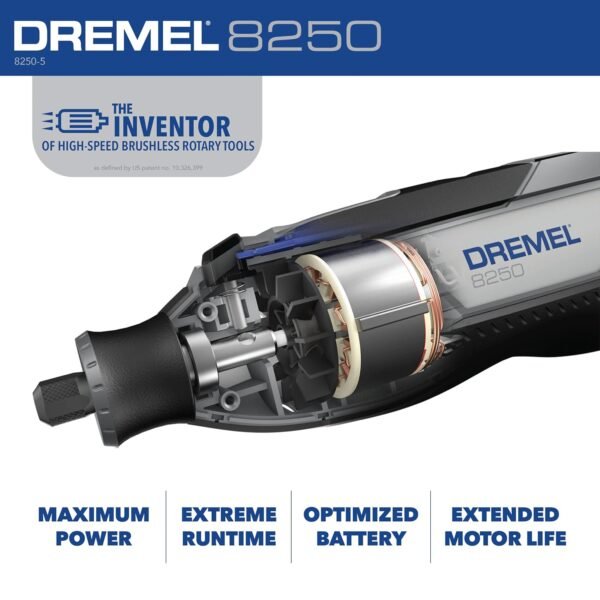
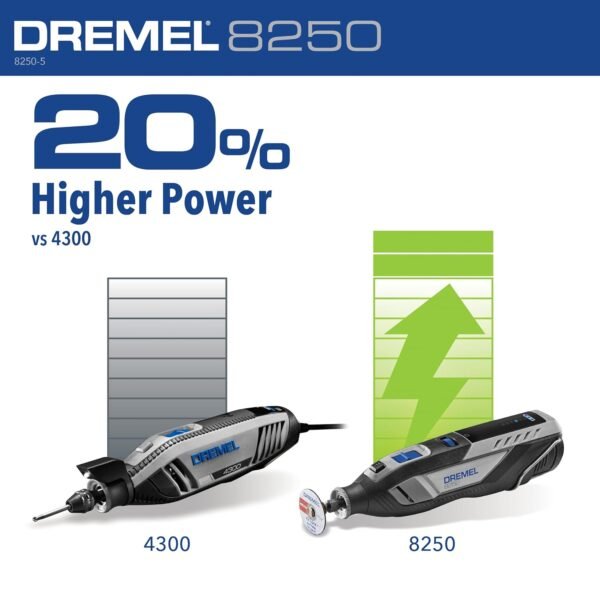
The Dremel 8250-5 12V Lithium-Ion Variable Speed Cordless Rotary Tool with Brushless Motor is built around its motor, and that is where the specification does the talking. A brushless design converts more of the pack’s energy into rotation instead of friction and heat, which is what allows Dremel to claim power and runtime figures well above its earlier cordless models. The published ceiling is 30,000 RPM, and holding speed under load on metal or tile is the practical measure of whether a rotary tool’s motor is doing its job. Lower heat output is a direct consequence of the same efficiency, and it is also why the motor is specified as maintenance-free: there are no brushes to inspect or replace.
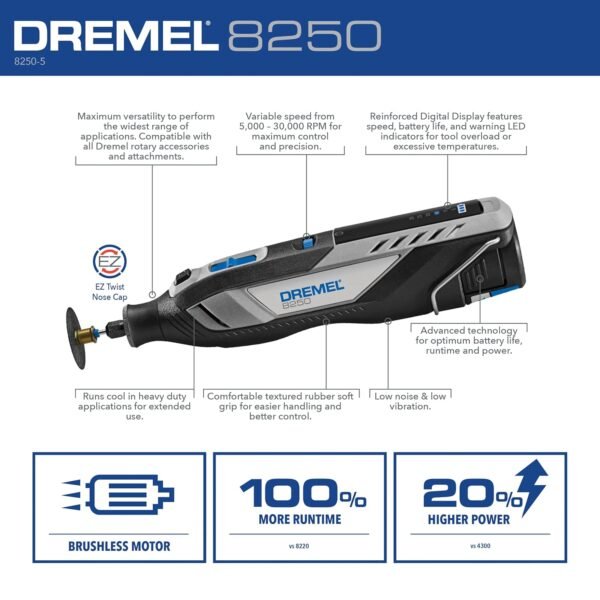
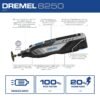
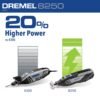
- 20% more power compared to the corded Dremel 4300
- 100% more runtime than the Dremel 8220
- Maintenance-free motor design for longevity
Variable Speed Control for Precision Work
The variable speed dial spans 5,000 to 30,000 RPM, and that range is what makes one tool cover delicate sanding and aggressive cutting. Speed is the single most important setting on a rotary tool: too high burns wood and melts plastic, too low bogs the bit in metal. A six-to-one span covers engraving and sharpening at the bottom end and grinding and drilling at the top. The dial sits within reach of the holding hand, and its detented action is what stops a setting from drifting mid-cut. Between the speed range and the accessory system, wood, metal, plastic, and tile are all inside the tool’s scope.
Benefits of Cordless Convenience with Extended Battery Life
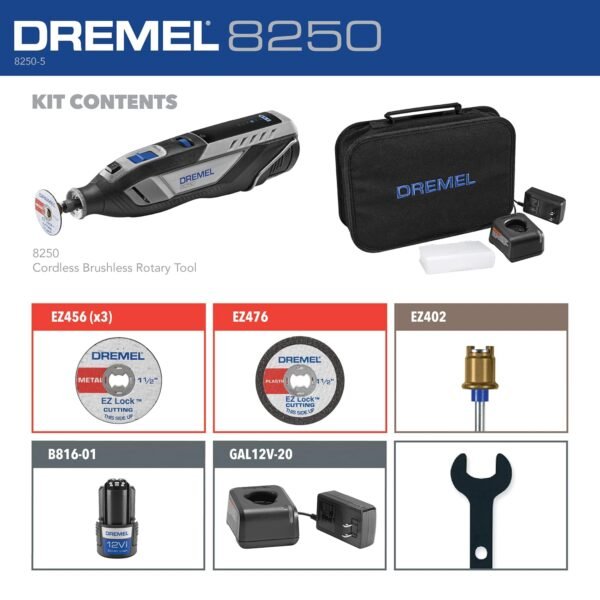
The cordless design with a 12V 3.0Ah lithium-ion battery removes the cord from detail work, which matters more here than on most tools because a rotary tool is constantly rotated in the hand. A 3.0Ah pack is generous for the 12V class, and it is the reason the runtime figures compare favorably with older cordless Dremels. Charging is listed at 95 minutes, a reasonable figure for that capacity, and the pack is compatible with other Dremel 12V tools so it is not stranded with one product. The cost is mass: a larger pack sits in the handle and makes the tool heavier than a corded body of the same size, which is felt during long fine work.
Usability and Accessory Compatibility
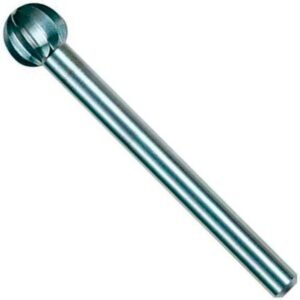
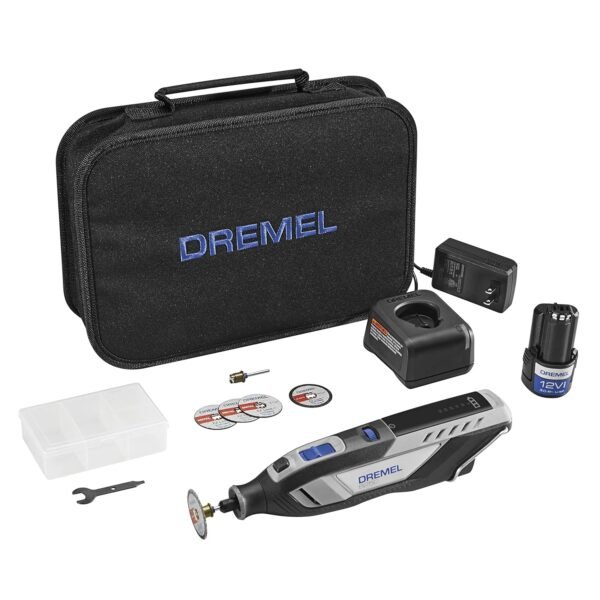
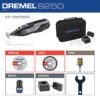
Accessory changes are the operation a rotary tool user repeats most, and the patented EZ Twist Nose Cap system handles them without a separate wrench because the wrench is built into the cap. That removes the most common source of lost time and lost parts on this type of tool. The kit ships with five EZ Lock attachments covering cut-off wheels and a mandrel. More importantly, the tool accepts all existing Dremel rotary accessories and attachments, so an existing collection carries straight over, including cutting and shaping bits like the Dremel 100 high speed carving bit.
Drawbacks to Keep in Mind
Three limitations are worth weighing. The tool is not quiet, and the brushless motor’s hum at speed is noticeable in an otherwise silent room. The battery that delivers the runtime also adds weight, which tells against the tool for users with smaller hands or work that requires holding a fine position for long stretches. Price is the third: this sits at the upper end of the rotary tool market, which reflects the brushless motor and the pack but puts it beyond what an occasional hobby user needs to spend.
- Noisy operation compared to older models
- Slightly heavier due to larger battery
- Higher price point than some competitors
Value Proposition: Is It Worth the Investment?
The balance this model strikes between power, versatility, and portability is what carries the price, particularly for anyone who needs a cordless tool that stays useful across a full working day. Cheaper rotary tools generally economize on the motor or the pack, and both show up as reduced performance under load. For regular cutting, sanding, drilling, and grinding, the specification justifies the outlay; for occasional light work, it does not, and a corded model will do the same job for less. The distinguishing feature is the combination of cordless freedom and near-corded power, which is uncommon in this category.
Product Comparisons with Other Rotary Tools
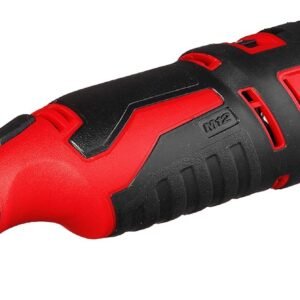
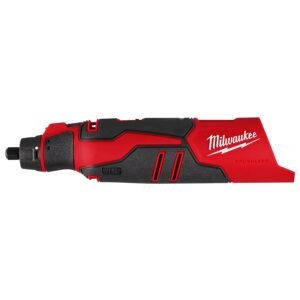
Within Dremel’s own range, the 8250 is positioned on motor efficiency and battery runtime. The corded Dremel 4300 is the power benchmark the 8250 is measured against, and its cord is the trade being made. The 8220 is the previous cordless generation and is specified below the 8250 on both runtime and output. A step down within the current cordless line, the Dremel 8240 12V kit covers similar work at a lower price. Other brands compete on price without matching the brushless motor and tool-free accessory change, though the Milwaukee M12 brushless rotary tool is the closest cross-platform equivalent for anyone already on M12.
Design and Ergonomics for Comfortable Use
The body is shaped for extended sessions, with a defined grip zone at the point where the tool is naturally held for detail sanding and engraving. Speed dial and power button sit where they can be found without looking away from the workpiece, which is the correct arrangement for a tool used at close visual range. The battery makes it heavier than a compact rotary tool, but the mass sits along the axis of the body rather than off to one side, so balance stays even. A fabric storage case is included, which keeps the tool and its accessories together between jobs.
What the specification describes is a tool aimed at serious hobbyists and working professionals rather than occasional users. Brushless motor technology, a large 12V pack, and full accessory compatibility are the three points that set it apart in the cordless rotary market. Noise and weight are the honest costs, and both are consequences of the features that make the tool good. For buyers who need a powerful, portable rotary tool across a wide range of materials, it belongs on the shortlist. Wider options across the range sit in our rotary tool reviews.