Description
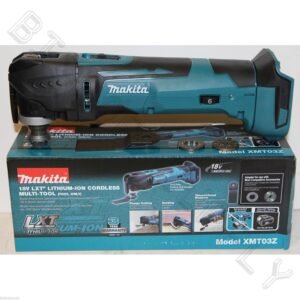
Highlights of the Makita XMT03Z 18V LXT Cordless Multi-Tool
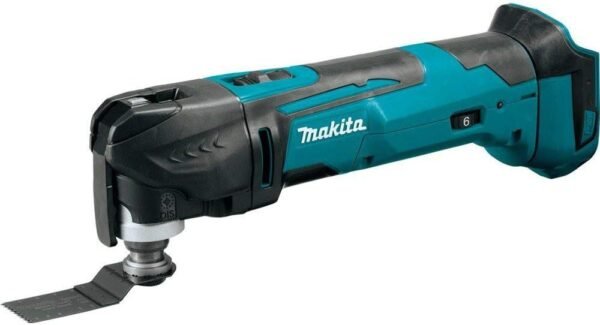
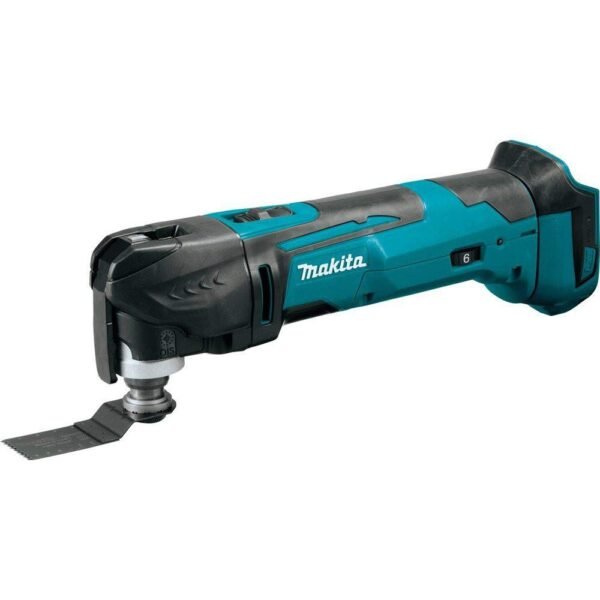
The Makita XMT03Z 18V LXT Lithium-Ion Cordless Multi-Tool is specified for tradespeople rather than occasional users, with remodelers, plumbers, and carpenters named as the target. It carries a variable speed control dial ranging from 6,000 to 20,000 oscillations per minute (OPM), so the tool can be matched to the material instead of run flat out. The 3.2-degree oscillation angle is the specification that separates it from much of the class: a wider arc means faster, more aggressive cutting and sanding per stroke. The small diameter barrel grip, listed at 2-3/8 inches, is the ergonomic feature Makita leads with for control during extended work. It runs on Makita 18V Lithium-Ion batteries carrying the Star symbol, supplied separately.
- Variable speed dial for precise control
- Aggressive 3.2-degree oscillation angle for efficient cutting
- Compact barrel grip for improved handling
Drawbacks You Should Consider
A few limitations follow from how the tool is packaged and built. The battery and charger are not included, so there is a second purchase before it does any work, which stings for anyone outside the 18V LXT platform. Kits that ship ready to run, such as the DEWALT DCS356D1 oscillating tool kit, avoid that step. The listed weight of 4 pounds puts it toward the heavy end for a multi-tool, which tells most on fine detail work held at arm’s length. Noise is reduced relative to older Makita models but remains high enough that hearing protection is warranted on long sessions. Adapters are supplied for third-party accessories, but any adapter step adds friction to a blade change.
- Battery and charger sold separately
- Heavier than some competing models at 4 pounds
- Audible noise during operation
- Accessory adapters can be cumbersome to swap
Performance on Various Applications
The specification set covers wood, metal, grout, and plastics, which is the usual span for the category and the reason a multi-tool earns bag space at all. The adjustable speed dial and the soft start feature work together here: soft start prevents the jolt at power-on that throws off a plunge cut, and the dial keeps heat down on plastics and metal. Plunge blades handle flush cutting, sanding attachments cover surface prep, and scraping and grout removal round out the list. The large on/off slide switch with lock-on button supports continuous running without holding a trigger, which matters on repetitive tasks. The full range of comparable tools sits under the oscillating tools we cover.
Price Worthiness for the Features Offered
On price to quality ratio, the tool is easiest to justify for someone already invested in Makita’s battery ecosystem. Variable speed control, the aggressive oscillation angle, and the build specification account for the cost to professionals and committed DIYers. For casual users, or anyone wanting a battery in the box, the entry price reads as steep. Against budget oscillating tools it is specified more heavily and rated for tougher materials, and that difference is what the premium buys. Where the priority is cordless power that shares packs across a whole tool bag, the platform argument does most of the work.
Areas of Concern
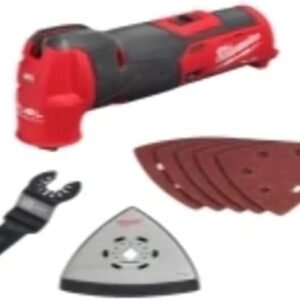
Some aspects deserve scrutiny before buying. The missing battery and charger is the largest, since it changes the real purchase price. The weight combined with the compact grip makes it less suited to delicate sanding or scraping than lighter tools, and a compact alternative such as the Milwaukee M12 FUEL oscillating tool is the better fit for tight, low-force work. Noise and vibration are reduced but not removed, so long sessions remain tiring. The adapter system, while broad in compatibility, is slower to swap than the tool-free systems some rivals now ship, which interrupts workflow on jobs with frequent blade changes.
Competing Brands and How This Tool Compares
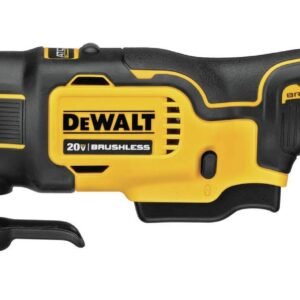
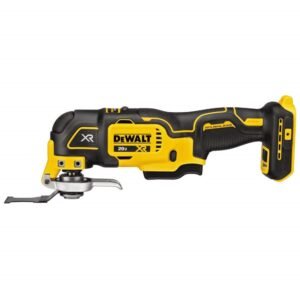
Among rival oscillating multi-tools such as DeWalt’s DCS355 or Bosch’s GOP18V-28N, the Makita’s distinguishing figure is the 3.2-degree oscillation angle, which is slightly wider and translates to more aggressive cutting per stroke. DeWalt’s advantage lies in battery interoperability across its 20V line, and the DEWALT XR brushless oscillating multi-tool is the closest match on features. Bosch tools tend to be lighter while giving up some power on dense material. Makita counters with the reach of the 18V LXT lineup, which is the largest single-platform argument in the group. The absence of a battery in the box is a criticism that applies across several of these bare tools, so it is a platform decision more than a product flaw.
Positive Features That Stand Out
- Variable speed range (6,000 to 20,000 OPM) lets you tailor performance to the job
- 3.2-degree oscillation angle speeds up cutting and sanding tasks
- Ergonomic barrel grip improves comfort and control
Negative Attributes to Keep in Mind
- Battery and charger not included, adding to overall cost
- Relatively heavy at 4 pounds for a multi-tool
- Noise and vibration reduction improved but still present
- Accessory adapter swapping can be time-consuming
The barrel grip is a genuine consideration for anyone with smaller hands, since the diameter that steadies the tool for one user can feel bulky to another. On plumbing and remodeling work the payoff is access, since the slim body reaches into tight cavities and grout lines that a bulkier housing cannot, and the lock-on switch keeps repetitive cuts from becoming a grip endurance test. Buyers wanting a lower entry price on a similar format can compare the RYOBI P343 cordless oscillating multi-tool before committing to the Makita 18V system.