Description
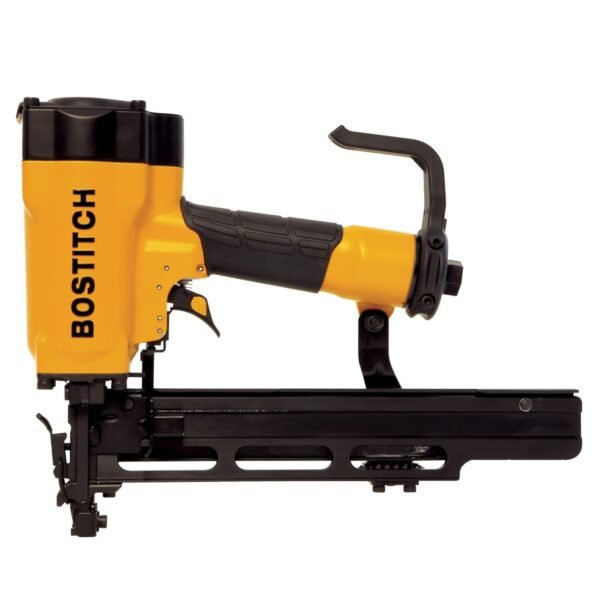
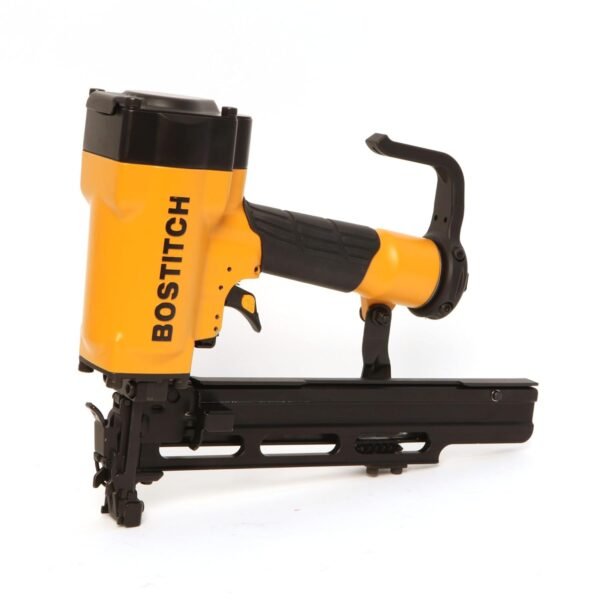
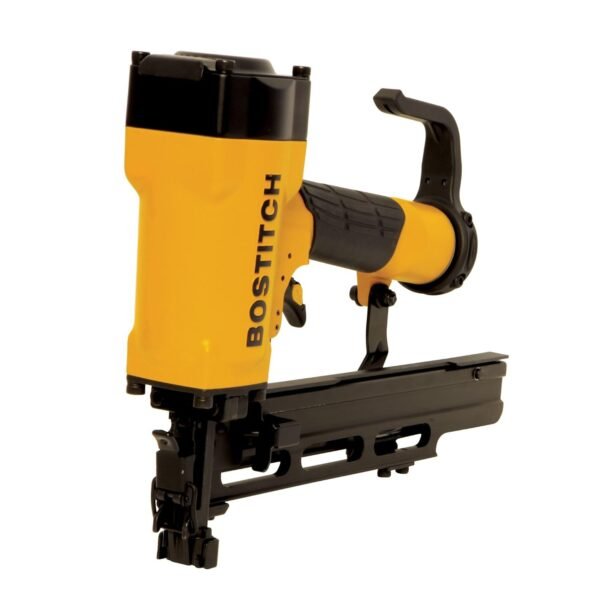
Highlights of the BOSTITCH Stapler, 7/16-Inch x 2-Inch (651S5)
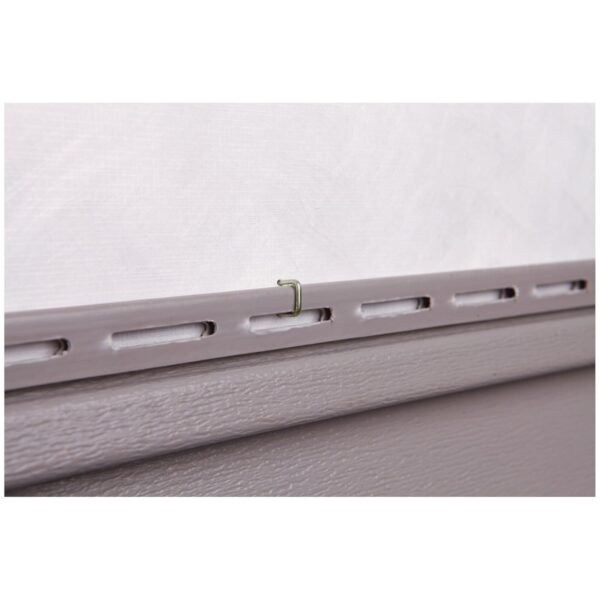
The BOSTITCH Stapler 651S5 is built around throughput. Its rapid fire engine is rated at more than 10 staples per second, a figure aimed directly at production work on wood shingles and plywood sheathing. The lightweight build at just 4.2 pounds is unusual for a tool with that drive rate, and it is the specification that makes long sessions plausible. An adjustable depth of drive controls how far each staple seats, which matters on materials like vinyl siding where an overdriven fastener causes visible damage. The flip open nose design handles jam clearance without tools, removing the main source of downtime on a fast-firing stapler.
- Drives more than 10 staples per second for efficient work
- Lightweight, only 4.2 pounds, reducing fatigue during extended use
- Tool-free jam clearing thanks to the flip open nose design
Drawbacks That Could Use Attention
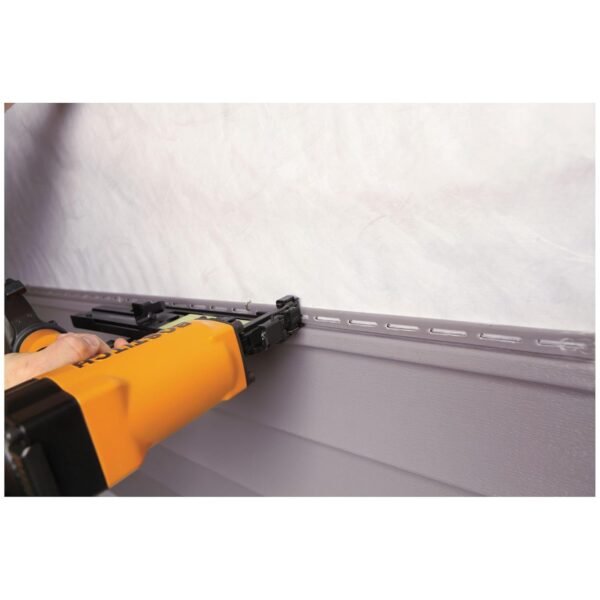
A few drawbacks turn up consistently in published owner feedback. The vinyl siding adapter is useful but fiddly to set, and owners report needing several attempts to get the alignment right. The contoured grip is shaped for comfort but is described as slippery once hands are damp, which is a real consideration on exterior work in warm weather. It is not a dealbreaker, though it is an area where the ergonomics could be sharper. The noise level is the third recurring point. A rapid fire mechanism at this rate is loud enough that hearing protection is required on longer projects, which is normal for the class but worth stating plainly.
- Vinyl siding adapter requires careful adjustment for proper fit
- Contoured grip can get slippery during prolonged use
- The stapler produces a noticeable noise when firing rapidly
Adjustable Features and Versatility
The adjustable rafter hook is a practical inclusion for roof work, where setting the tool down safely is not an option. Switching between contact and sequential triggers without tools is the other convenience that keeps the tool moving. The selectable trigger mode is what makes one stapler cover two working styles: contact mode for pace, sequential for placement accuracy on detail work. The 2-inch staple capacity spans plywood sheathing through roof decking, which is the range contractors buying this class of tool actually work in. Buyers comparing it against lighter trim-focused options will find the differences laid out across the finish stapler category.
Price Worthiness and Value Proposition
This stapler offers solid value for money measured against other professional-grade tools. The balance of drive rate against weight is the core of that argument, and the jam clearance and adjustable settings support it. It is not the cheapest option available, but the rated speed and the durability specifications justify the spend for anyone regularly working on siding, roofing, or sheathing. Against budget models the gap in build quality is significant. For occasional use, the capability is more than the job requires, and something like the PORTER-CABLE 3/8-inch crown stapler covers lighter duty at a lower price.
Comparing to Popular Competitors
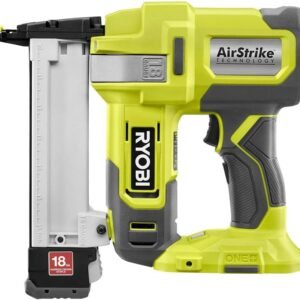
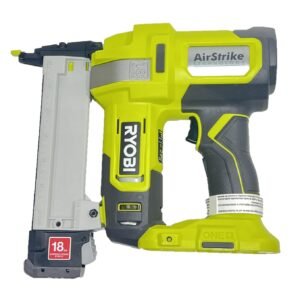
Among power finish staplers, the BOSTITCH 651S5 competes directly with DEWALT and Hitachi offerings. The rapid fire engine beats most rivals on rated speed, though several of them run quieter. DEWALT’s models tend to be bulkier, which makes the 4.2-pound listed weight here a genuine differentiator. On the other side, some Hitachi staplers use a more refined grip that handles moisture better over a long session. The tool-free jam clearing is not universal in this class and counts as a productivity advantage. Competitors do offer more refined siding adapter adjustment, which is the clearest area for improvement. Cordless shoppers looking at the same tasks should weigh the RYOBI ONE+ 18-gauge cordless AirStrike stapler, which drops the hose entirely.
Ease of Use and Handling
Setup is minimal and the controls are conventional for the class. The selectable trigger switch toggles without tools, and the adjustable depth control is the setting that prevents staples driving too deep or standing proud. Jam clearing is a single-step operation thanks to the flip open nose design, so an interruption costs seconds rather than minutes. The contoured grip is comfortable in normal conditions, with the moisture caveat noted above. Owner ratings repeatedly describe the tool as well balanced for its output, which is the attribute that matters most when it is in hand all day.
Applications and Target Users
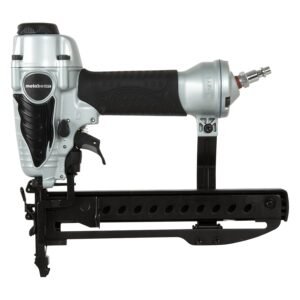
This stapler is aimed at professionals and serious DIYers working regularly with plywood sheathing, roof decking, wood shingles, and vinyl siding. The specifications map closely onto those tasks, and the same power and speed are more than light household jobs call for. The 2-inch staple capacity and adjustable settings make it versatile within that range, but work that rarely involves thick materials is better matched to a lighter-duty stapler. The construction is specified for job sites where tools take rough handling, which is consistent with the target buyer. For trim-scale fastening, the Hitachi N3804AB3 finish stapler is the closer fit.
Maintenance and Durability
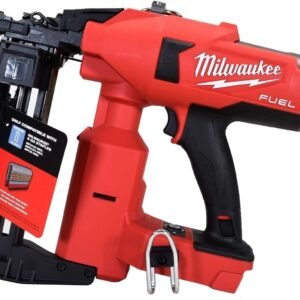
The construction reads as robust, with a brushed finish over a solid body. Maintenance is routine: regular cleaning to prevent jams plus occasional lubrication. The tool-free jam clearing indirectly reduces wear, since it removes the temptation to force the mechanism apart. Being air powered, the tool depends on a compressor sized to keep up with its drive rate, which is a real requirement given the rated staples per second. Given the build quality and the feature set, the expected service life is long for a tool in this class. Cordless owners should note the different maintenance profile of battery tools such as the Milwaukee M18 FUEL utility stapler.
Summary of Positive Features
- Rapid fire capability rated above 10 staples per second boosts efficiency.
- Lightweight and comfortable enough for extended use.
- Tool-free jam clearance reduces downtime significantly.
- Adjustable depth and trigger modes add versatility.
- Durable construction suitable for professional use.
Summary of Negative Features
- Vinyl siding adapter requires patience for proper alignment.
- Grip can become slippery during long tasks.
- Louder operation demands hearing protection.
- Some ergonomic aspects could be improved compared to competitors.