Description
Design and Build Quality of the Cordless Roofing Nailer
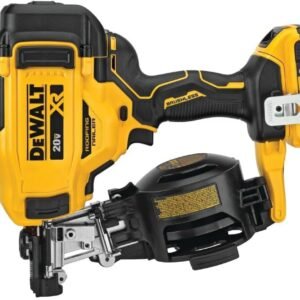
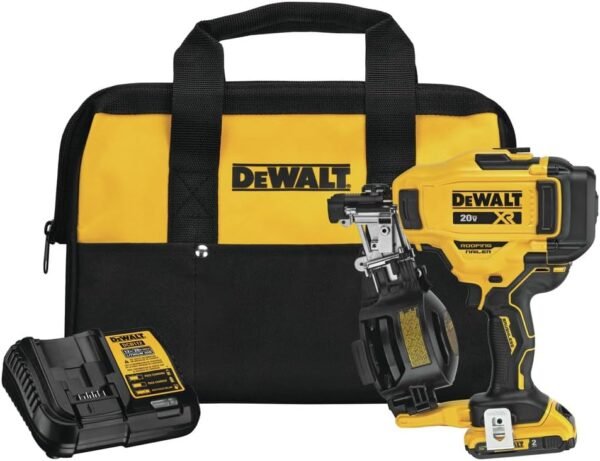
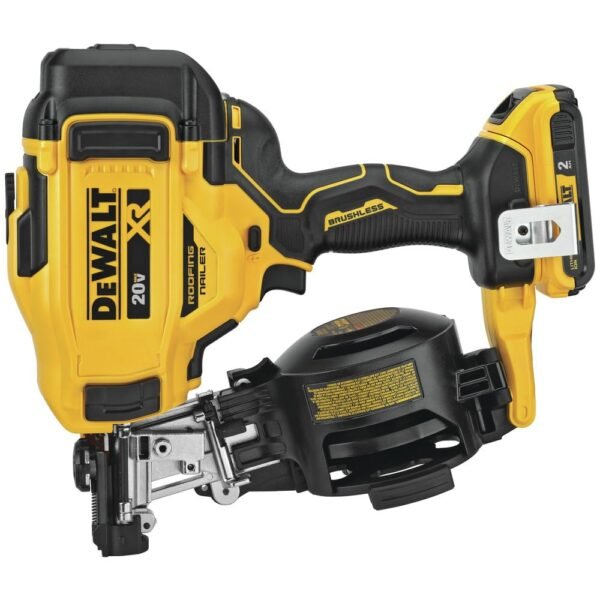
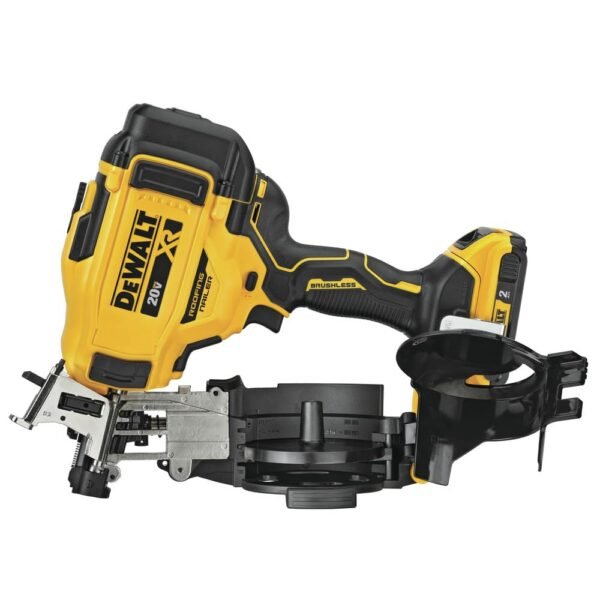
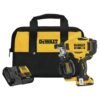
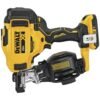
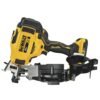
The DeWALT DCN45RND1 20V 15 Degrees Lithium-Ion Cordless Coil Roofing Nailer Kit is specified around roofer comfort and efficiency. Listing data is inconsistent on how the mass reads: the same copy calls the tool a lightweight frame of approximately 11.68 pounds and later places that weight on the heavier side of the category, so 11.68 pounds is best treated as the number and the adjective ignored. The grip is described as sturdy and comfortable, which is what carries a tool through extended use on steep or awkward roofing angles. Its 15-degree angled magazine holds coil nails compactly, which is how reload frequency stays low. Balanced weight distribution is the design goal here, and it matters when a run means thousands of shingles.
Performance and Power Delivery
The nailer runs on a 20-volt lithium-ion battery platform, standard for cordless power tools and enough to drive nails into common roofing materials. Consistent nail depth control is the specification that carries the most weight on a roof, since a professional finish and a weather-tight assembly both depend on it. The absence of a cord adds freedom of movement, particularly across large rooftops and on ladders. DEWALT positions the cycle speed as fast enough to keep pace with a working rhythm, which is the claim that puts this tool in front of beginners and experienced roofers alike.
Versatility and Settings
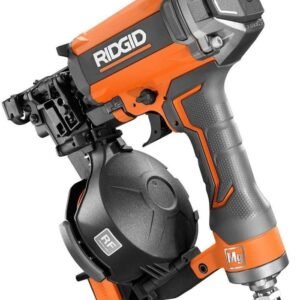
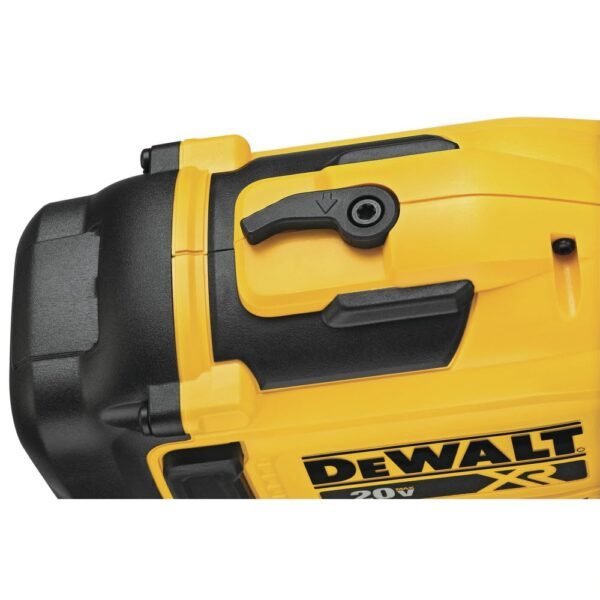
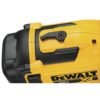
The feature list covers most of what roofing work asks for. Adjustable depth control sets how deep the nails go without damaging shingles or sheathing. The tool also carries sequential and bump firing modes, which is the pairing that lets one tool serve both careful placement and quick runs. Mode changes are made on the tool. Nail compatibility is fixed at a 15-degree coil angle, which is standard for roofing but limiting if a job calls for a different angle. For a pneumatic take on the same 15-degree format, the RIDGID 15-degree coil roofing nailer is the direct comparison.
Handling and Usability in Real Conditions
Operating any roofing nailer on a sloped roof is demanding, and this model is specified for that setting. The cordless design eliminates tripping hazards and removes power cords stretched across a work surface, a real gain for safety and convenience. The tool’s weight distribution and balance are what preserve control during awkward reaches and overhead nailing. The battery is sold separately, however, which means an additional investment upfront for anyone without compatible DeWALT batteries already on hand. Battery swaps are quick, but planning for spares to avoid downtime belongs in the budget.
Highlights of the Cordless Coil Roofing Nailer
- Cordless freedom with 20V lithium-ion power allows for mobility and eliminates cords on the roof.
- 15-degree angled coil magazine holds a significant number of nails, reducing reload time.
- Adjustable depth control supports professional-quality fastening without shingle damage.
- Two firing modes (sequential and bump) offer flexibility for different nailing speeds and precision.
- Balanced design is aimed at reducing user fatigue during prolonged use.
Drawbacks to Keep in Mind
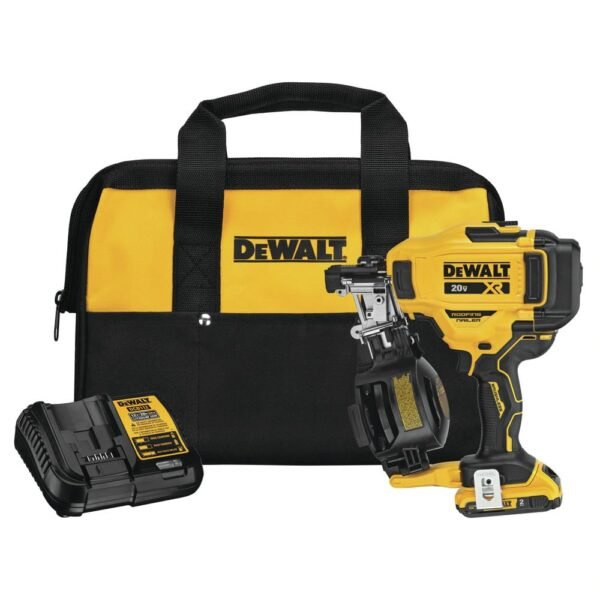
- The battery and charger are not included, so the initial cost can rise if you need to purchase these separately.
- It supports only 15-degree angle nails, limiting compatibility with some roofing nail types.
- The weight, although reasonable, is still on the heavier side for anyone accustomed to smaller pneumatic nailers.
- Magazine capacity is good but could be larger for extremely high-volume roofing jobs.
- Some buyers will find the price point steep compared to pneumatic alternatives, especially without the battery included.
Competitive Options in the Roofing Nailer Market
Set against other roofing nailers such as the Bostitch RN46-1 and the Makita AN924, the strengths and weaknesses sort themselves quickly. The cordless format is what separates this unit from most pneumatic models, and it buys both safety and mobility. The Bostitch RN46-1 is a pneumatic nailer known for durability and a larger magazine, but it needs an air compressor, which is cumbersome on large jobsites. The Makita AN924 offers a slightly lighter frame and a similar nail angle, yet it stays corded to a hose, which costs it on remote or tight job locations. A second look at the same DEWALT tool is available in the companion DCN45RND1 writeup, and the wider roofing nailers category covers the pneumatic side of the market in more depth.
This cordless coil roofing nailer leads on energy efficiency and user convenience and gives ground to pneumatic tools on continuous firing speed and magazine capacity. For buyers who rank safety and cordless freedom first, that trade lands well. For rapid firing across massive roofing projects, some competitors still deliver more. Crews moving between roof, wall, and siding work will also want the DEWALT DCN692M1 cordless framing nailer and the Makita AN611 siding coil nailer on the same shortlist.
Price to Quality Ratio
On value, this cordless roofing nailer offers a balance of advanced features and cordless convenience. The absence of a battery and charger in the package means a higher initial outlay, though the longer-term benefits of cordless operation and reduced maintenance can offset it. Build reputation and brand support add to the confidence in the tool’s lifespan, which is the argument for spending here rather than lower down the range.
The price is not the lowest on the market, but the cost case rests on saved setup time and improved safety on the job rather than on the sticker. For anyone who already owns compatible DeWALT batteries, the effective price drops and the value improves. That makes it best suited to professionals who need reliable cordless performance without giving up power or control.
Taken as a package, the cordless coil roofing nailer aims at convenience and power in the same tool. The light frame and straightforward adjustments make it approachable for newer roofers, while consistent nail placement and the 20V platform are what interest contractors working full days. Batteries remain a separate budget line, but the freedom from hoses and cords is the headline. For a tool that combines power, precision, and mobility, this roofing nailer deserves serious consideration.